
Mold is more than just an eyesore—it’s a serious problem for commercial properties in Washington, DC. Left untreated, mold can compromise indoor air quality, damage building materials, and put occupants’ health at risk. In workplaces, schools, healthcare facilities, and government buildings, mold issues can also lead to liability concerns and costly downtime.
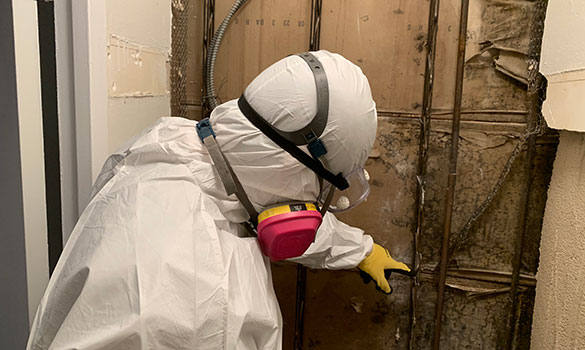
If you manage or own a commercial building in DC, understanding how mold remediation works is critical. Let’s walk through the 7 essential steps for commercial buildings mold remediation in DC, so you know exactly what to expect when working with a professional remediation team.
Step 1: Inspection and Assessment
Every successful mold remediation project begins with a thorough inspection. Professionals use specialized tools such as moisture meters, infrared cameras, and air sampling equipment to identify the source and extent of mold growth.
In a commercial building, mold isn’t always visible. It can thrive behind walls, under carpets, above ceiling tiles, and inside HVAC systems. A proper assessment ensures no area is overlooked.
Key points during this stage:
- Identify the moisture source (leaks, humidity, poor ventilation).
- Pinpoint visible and hidden mold colonies.
- Evaluate health risks for building occupants.
- Create a remediation plan tailored to the building’s size and use.
In DC, where many commercial buildings are older and prone to leaks or humidity issues, this first step is critical for addressing mold effectively.
Step 2: Containment
Once mold is identified, containment is the next step. This prevents mold spores from spreading to unaffected areas during the cleanup process.
How it’s done:
- Physical barriers: Plastic sheeting is used to seal off contaminated zones.
- Negative air pressure: HEPA-filtered machines create pressure differences to keep spores from escaping.
- Controlled entry/exit: Workers enter through sealed pathways to limit cross-contamination.
In large commercial buildings, containment may cover entire floors or sections of HVAC systems. Without it, remediation efforts can make the problem worse by dispersing spores throughout the building.
Step 3: Air Filtration
Mold spores are microscopic and can stay airborne for long periods. That’s why air filtration is a vital step in the remediation process.
HEPA (High-Efficiency Particulate Air) filters are used to capture mold spores and other contaminants. In commercial settings, multiple air scrubbers may be placed strategically to keep the air clean throughout the project.
This step not only protects workers during remediation but also improves indoor air quality, giving occupants confidence that the building is safe once the project is complete.
Step 4: Removing Mold-Infested Materials
Mold remediation often requires removing contaminated materials. Depending on the severity of the infestation, this could mean:
- Disposing of ceiling tiles, insulation, or carpet.
- Removing drywall sections with heavy mold damage.
- Cleaning or replacing HVAC components.
Materials that cannot be salvaged are bagged, sealed, and safely removed from the building. Commercial building owners in DC should plan for some disruption during this stage, but proper removal ensures that mold won’t return.
For valuable structures like historic DC buildings, specialized techniques may be used to preserve as much of the original material as possible while still ensuring safety.
Step 5: Cleaning and Disinfecting
After contaminated materials are removed, thorough cleaning begins. Professional teams use industry-grade cleaning agents, antimicrobial treatments, and HEPA vacuums to remove residual mold from non-porous surfaces.
Common areas cleaned during this step include:
- Walls, floors, and ceilings.
- HVAC systems and ductwork.
- Furniture, office equipment, and fixtures (when salvageable).
In a commercial building, this stage is crucial for restoring safe indoor conditions. Clean surfaces prevent spores from reattaching and reduce the risk of future mold outbreaks.
Step 6: Drying and Dehumidification
Because mold thrives in moisture, it’s not enough to clean the building—you must also eliminate excess moisture. Professional remediation teams use commercial-grade dehumidifiers, fans, and moisture monitoring tools to ensure all areas are thoroughly dried.
In DC’s humid climate, moisture control is especially important. Without it, mold can return within days.
Key steps here include:
- Drying out walls, floors, and structural components.
- Monitoring humidity levels to ensure they remain below mold-friendly thresholds.
- Checking for hidden moisture pockets inside walls or under flooring.
Step 7: Restoration and Prevention
The final step in mold remediation is restoration—bringing the building back to its original or improved condition. This may involve:
- Replacing drywall, ceiling tiles, or flooring.
- Repainting cleaned and repaired areas.
- Reinstalling fixtures or furniture.
But just as important is prevention. To stop mold from returning, building owners should:
- Fix leaks in roofs, plumbing, or foundations.
- Improve ventilation in bathrooms, kitchens, or basements.
- Schedule regular HVAC maintenance.
- Invest in humidity control solutions.
Professional providers of commercial buildings mold remediation in DC often include recommendations for ongoing prevention, helping businesses avoid repeat problems.
Why Professional Mold Remediation Matters in DC
Some property managers may wonder whether DIY mold cleanup is an option. In small residential settings, it may be manageable. But for commercial buildings in DC, mold remediation is best left to certified professionals.
Here’s why:
- Regulatory compliance: DC has health and safety regulations for commercial buildings that must be followed.
- Occupant safety: Schools, healthcare facilities, and offices can’t risk exposure.
- Hidden risks: Mold in HVAC systems or behind walls is nearly impossible to address without professional tools.
- Liability concerns: Mishandled mold remediation can expose building owners to lawsuits.
By working with an experienced remediation contractor, property managers ensure the process is thorough, compliant, and safe.
The Cost of Inaction
Ignoring mold in a commercial building doesn’t just harm air quality—it can lead to serious financial consequences.
- Property damage: Mold weakens drywall, wood, and insulation.
- Decreased value: Buildings with mold problems are harder to lease or sell.
- Health costs: Tenants and employees may experience respiratory issues, headaches, or allergies.
- Operational downtime: Businesses may need to close parts of the building during emergency remediation.
In a competitive city like DC, where commercial real estate is valuable, delaying mold remediation is almost always more expensive in the long run.
Final Thoughts
Mold problems in commercial properties can feel overwhelming, but they don’t have to be. By following these 7 essential steps for commercial buildings mold remediation in DC—inspection, containment, air filtration, removal, cleaning, drying, and restoration—you can ensure your property remains safe, healthy, and compliant.
Most importantly, choosing the right professional remediation partner gives you peace of mind. With expert guidance, you’ll not only eliminate existing mold but also prevent it from coming back. That means healthier spaces, safer tenants, and greater protection for your property investment.
