
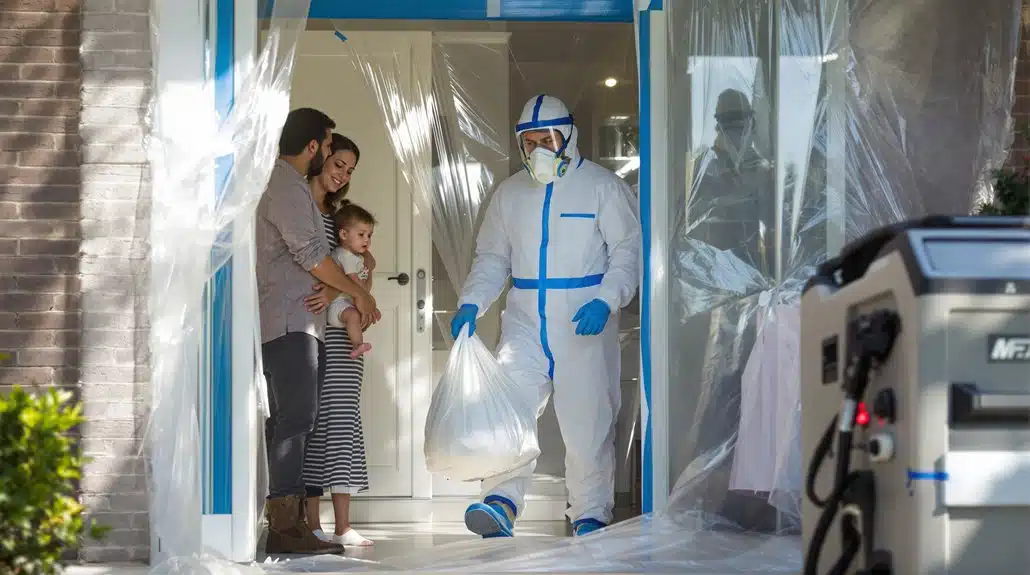
Asbestos is a word no homeowner wants to hear, yet it’s a very real concern in Washington, DC. Many older homes built before the 1980s still contain asbestos in insulation, flooring, ceilings, and even exterior siding. Left undisturbed, asbestos isn’t always a problem. But once it’s damaged or deteriorating, the fibers can become airborne and cause serious health risks, including lung disease and cancer.
That’s why recognizing the warning signs is critical. If you suspect asbestos in your home, the safest step is to call a residential asbestos abatement service in DC rather than attempting DIY removal. Trained professionals have the tools, permits, and expertise to handle asbestos properly without endangering your family.
Here are seven clear signs your DC home may need professional asbestos abatement.
1. Your Home Was Built Before 1980
The first and most important red flag is the age of your property. Homes in DC constructed before 1980 often used asbestos-containing materials (ACMs) in:
- Floor tiles and adhesives
- Insulation around pipes, ducts, and attics
- Popcorn ceilings
- Roofing and siding shingles
Even if you’ve remodeled, asbestos may still be hidden behind walls, under flooring, or around ductwork. If your house falls into this age bracket, scheduling a professional inspection from a residential asbestos abatement service DC is a wise precaution.
2. Crumbling Insulation or Pipe Wrapping
Do you notice frayed or powdery insulation around your pipes, furnace, or attic? Many of these materials contained asbestos. As insulation ages, it breaks down, making fibers more likely to enter the air.
If you see deterioration, avoid touching it and call a licensed residential asbestos removal service DC immediately. Professionals can test the material and safely encapsulate or remove it before it spreads.
3. Damaged Ceiling or Floor Tiles
Asbestos was commonly used in 9×9 or 12×12 floor tiles and in textured or “popcorn” ceilings. Over time, tiles may crack, or ceilings may chip and peel, especially in older DC rowhouses and apartments.
The risk isn’t just aesthetic—it’s health-related. When disturbed during cleaning, renovations, or even just regular wear, asbestos fibers can become airborne. At this stage, residential asbestos removal DC should be your next call.
4. Home Renovations or DIY Projects Stir Up Dust
Many homeowners in DC are modernizing historic homes. But tearing down walls, pulling up flooring, or sanding ceilings can release asbestos if those materials contain it.
If you’ve started a project and notice unusual amounts of dust—or if you halted work after realizing materials might be hazardous—stop immediately. Call a residential asbestos abatement service DC to conduct a proper assessment before resuming construction.
5. Unexplained Health Symptoms
Exposure to asbestos doesn’t cause immediate symptoms. However, prolonged exposure can lead to:
- Persistent coughing
- Shortness of breath
- Chest tightness
- Unexplained fatigue
While these symptoms can come from many causes, they should never be ignored—especially if you live in an older home. If multiple family members show these signs, consider whether your environment might be the culprit and contact a residential asbestos removal service DC for testing.
6. Discolored or Water-Damaged Materials
Moisture damage often accelerates the breakdown of asbestos-containing products. For example:
- Water-stained ceiling panels
- Crumbling drywall around plumbing leaks
- Soft or warped floor tiles
Water damage in itself is problematic, but when asbestos is involved, it becomes a double threat. A trained residential asbestos abatement service DC can safely handle both the removal and disposal of affected materials.
7. Professional Testing Confirms Asbestos
Sometimes the most obvious sign is lab confirmation. If an inspector has tested your home and identified asbestos in your materials, don’t delay. Even if the asbestos is currently intact, planning safe residential asbestos removal DC ensures your family won’t face future risks.
Why Professional Asbestos Abatement Matters
It might be tempting to handle asbestos removal yourself, but that’s never safe or legal in most situations. Professionals bring:
- Protective Equipment & Training: Preventing exposure during removal.
- Compliance with DC Regulations: Ensuring work meets EPA and OSHA standards.
- Proper Disposal: Hazardous waste must be taken to approved facilities.
- Peace of Mind: You can stay focused on your family’s safety while experts handle the risk.
Hiring a residential asbestos abatement service DC isn’t just about fixing a problem—it’s about investing in the long-term health of your household.
What to Do If You Suspect Asbestos in Your DC Home
- Don’t disturb the material. Avoid sanding, drilling, or tearing anything out.
- Schedule a professional inspection. Licensed specialists can confirm asbestos through testing.
- Plan for abatement. Depending on the situation, asbestos may be sealed (encapsulated) or fully removed.
- Choose a trusted provider. Look for a company with proven experience in residential asbestos removal service DC.
Final Thoughts
Living in Washington, DC often means living in homes with history—and with that history may come asbestos. Knowing the signs, from deteriorating insulation to suspicious ceiling tiles, can help you act before exposure becomes a health crisis.
When in doubt, don’t risk your safety. Partner with an experienced residential asbestos abatement service DC that understands both the health risks and the local regulations. By taking action early, you’re not just protecting your property—you’re safeguarding your family’s future.
