
If you own or manage a commercial property in Washington, DC, you know how important it is to keep your building safe, healthy, and welcoming. Mold can threaten all three. It’s more than just an eyesore—it can damage your property, impact indoor air quality, and even put employees, tenants, or customers at risk.
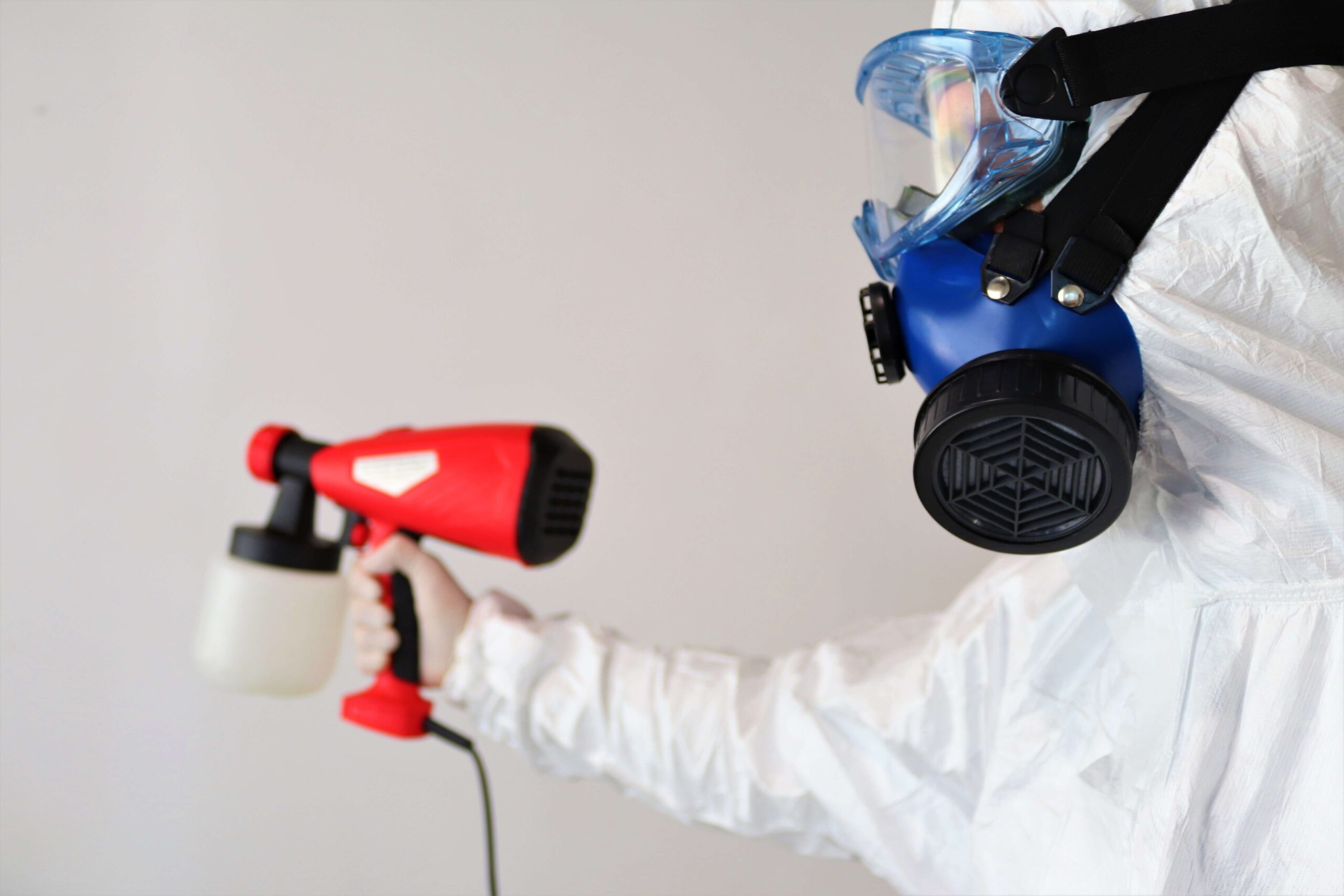
That’s where professional commercial mold remediation services in DC come in. But if you’ve never dealt with a serious mold issue before, you might wonder: what exactly does the remediation process involve?
This guide walks you through the step-by-step process of commercial mold remediation, so you’ll know what to expect, why each step matters, and how the right remediation partner can protect your property long-term.
Why Mold Remediation Matters in Commercial Spaces
Before jumping into the steps, let’s set the stage. Mold thrives in damp, poorly ventilated environments, which makes commercial properties particularly vulnerable. Leaks, condensation, or hidden moisture behind walls can create ideal conditions.
For business owners and property managers in DC, mold isn’t just a maintenance issue—it’s a liability. Left untreated, it can:
- Cause respiratory problems for occupants.
- Damage drywall, ceilings, carpeting, and insulation.
- Lead to costly lawsuits or code violations.
- Hurt your reputation with tenants or clients.
That’s why relying on a trusted commercial mold remediation service in DC is not just smart—it’s essential.
Step 1: Professional Inspection and Assessment
The first step in mold remediation is always inspection. A qualified remediation team will:
- Conduct a visual assessment of the building.
- Use tools like moisture meters and infrared cameras to find hidden water sources.
- Take air and surface samples to identify the type and severity of mold.
Why this matters: Not all mold is visible, and not all mold is equally dangerous. Professional assessment ensures the problem is fully understood before a plan is made.
Step 2: Containment of Affected Areas
Once mold is confirmed, the next priority is containment. This prevents mold spores from spreading to unaffected parts of the property during the cleanup process.
Technicians typically use:
- Plastic sheeting to seal off areas.
- Negative air pressure machines to keep spores from escaping.
- Restricted access protocols to limit foot traffic.
Why this matters: Without containment, remediation could make the problem worse by dispersing spores throughout the building.
Step 3: Air Filtration and Ventilation
Air quality is a major concern in commercial properties. During remediation, specialized HEPA air filtration systems are deployed to trap mold spores and improve air safety.
Why this matters: Clean air is essential in offices, retail spaces, healthcare facilities, and any environment where people spend long hours indoors.
Step 4: Removal of Mold-Infested Materials
This is where the heavy lifting begins. Depending on the severity of the infestation, the remediation crew may need to remove:
- Drywall and insulation
- Ceiling tiles
- Carpets and padding
- Wood trim or cabinetry
Porous materials that can’t be salvaged are carefully bagged and disposed of according to local DC regulations. Non-porous materials, like metal or glass, can often be cleaned and restored.
Why this matters: Mold can penetrate deep into porous materials, making surface cleaning ineffective. Proper removal ensures the infestation doesn’t return.
Step 5: Cleaning and Disinfecting Surfaces
Once contaminated materials are removed, all remaining surfaces are cleaned and disinfected. This includes:
- Using antimicrobial and antifungal solutions.
- Scrubbing and HEPA vacuuming hard surfaces.
- Deodorizing areas to remove musty odors.
Why this matters: Mold spores are microscopic and can linger even after visible mold is gone. Deep cleaning ensures spores are neutralized.
Step 6: Addressing the Source of Moisture
Mold is a symptom of a deeper problem: excess moisture. To stop mold from returning, the remediation process must identify and fix the source of moisture. Common culprits in DC commercial buildings include:
- Roof leaks
- Plumbing issues
- Condensation from HVAC systems
- Poor drainage or ventilation
A reliable commercial mold remediation service in DC doesn’t just clean mold—it helps ensure the root problem is solved.
Step 7: Restoration and Repairs
Once remediation is complete, it’s time to restore the building. Depending on how much material was removed, this may involve:
- Replacing drywall and insulation
- Repainting
- Installing new carpet or flooring
- Repairing HVAC or plumbing systems
Why this matters: Commercial spaces need to get back to normal operations as quickly as possible. Professional remediation teams often coordinate with contractors to streamline the process.
Step 8: Post-Remediation Verification
The final step is verification—ensuring the mold problem has truly been resolved. This usually includes:
- Visual inspection of treated areas.
- Air quality testing to confirm spore counts are safe.
- Documentation of the remediation process for property records.
Why this matters: For property managers in DC, documentation is valuable proof for insurance claims, tenant concerns, and regulatory compliance.
How Long Does Mold Remediation Take?
The timeline depends on the size of the property and the severity of the infestation. A small office may take just a few days, while a large commercial building could take weeks. An experienced team will provide a detailed schedule after the initial inspection.
Choosing the Right Commercial Mold Remediation Partner in DC
Not all remediation services are created equal. When selecting a provider, look for:
- Experience with commercial properties – Offices, retail, and industrial buildings have different needs than homes.
- Certifications and training – Look for IICRC-certified technicians.
- Compliance with DC regulations – Proper disposal and reporting are critical.
- Comprehensive services – From inspection to restoration, the best providers handle it all.
Partnering with the right team means less downtime, fewer risks, and peace of mind.
Preventing Future Mold Problems
Remediation fixes the current issue, but prevention is the real win. Property managers should:
- Schedule regular HVAC maintenance.
- Conduct routine leak checks.
- Invest in dehumidifiers for damp-prone areas.
- Ensure proper ventilation in kitchens, bathrooms, and basements.
Proactive maintenance can save thousands in future remediation costs.
Final Thoughts
Mold in a commercial property is more than an inconvenience—it’s a risk to health, safety, and business operations. Fortunately, with a professional commercial mold remediation service in DC, property owners can not only eliminate existing mold but also prevent it from coming back.
By following a clear step-by-step process—from inspection and containment to cleaning, restoration, and verification—mold problems can be resolved effectively and efficiently.
If your DC commercial property is showing signs of mold, don’t wait. The sooner you take action, the easier and less expensive remediation will be. Partner with experts who know the local regulations, have the right equipment, and can get your property back to a safe, healthy condition.
Contact Rath Enterprises, Inc. today for professional commercial mold remediation service in DC.
