
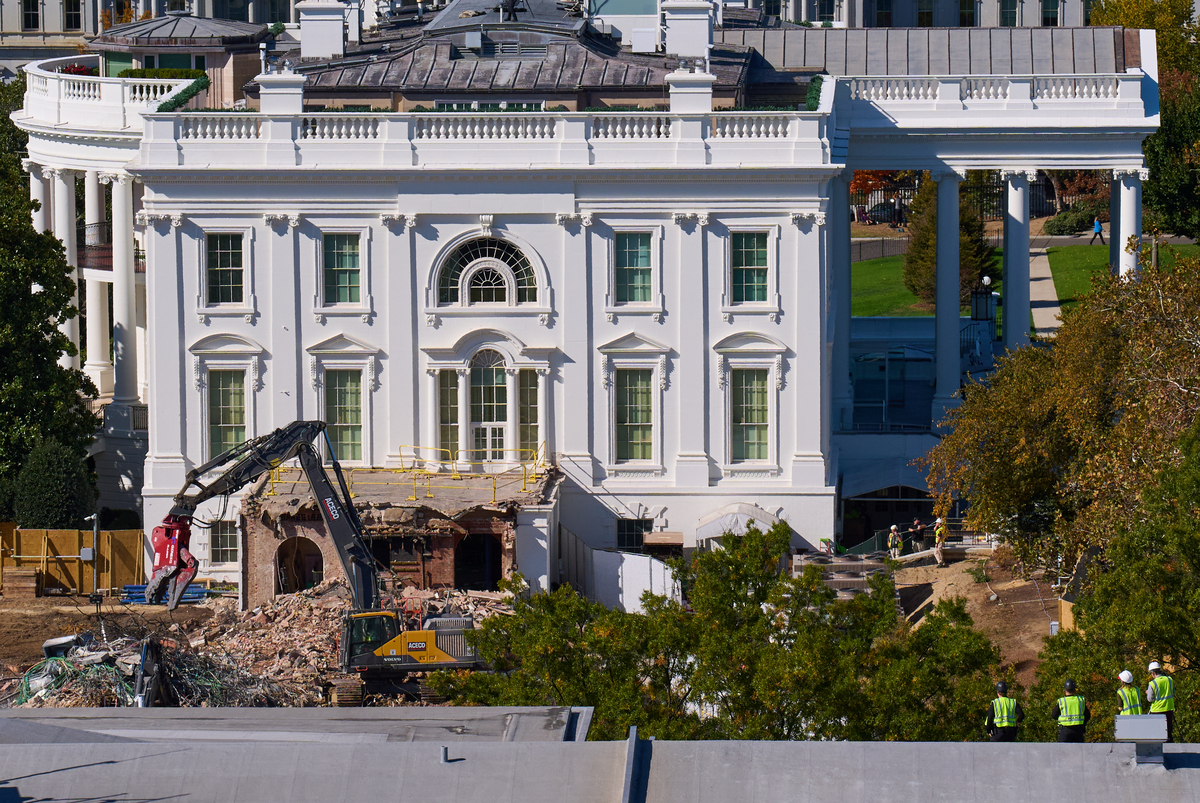
Government buildings in Washington, DC carry unique responsibilities. They house federal employees, serve the public, and must maintain the highest safety standards. When asbestos enters the conversation, these responsibilities become even more critical.
Many government facilities in Washington, DC were constructed during the mid-20th century when asbestos was a standard building material. Today, these structures require specialized attention from certified professionals who understand both the hazards of asbestos and the strict regulations governing federal properties.
The Unique Challenges of Government Buildings
Unlike private commercial properties, government buildings operate under multiple layers of oversight. Federal agencies, local DC authorities, and internal safety protocols all play a role in how asbestos must be handled.
High Occupancy and Public Access
Government facilities often see hundreds or thousands of people daily. Office buildings, courthouses, and administrative centers maintain constant foot traffic. Any asbestos disturbance in these environments creates immediate risk for a large number of people.
This high-occupancy factor means that abatement work must be:
- Executed without compromising building operations
- Completed with minimal disruption to government services
- Performed with zero tolerance for contamination
Regulatory Complexity
Federal properties must comply with EPA and OSHA standards, along with specific GSA requirements and DC Department of Energy & Environment regulations. Certified specialists navigate this complex web of rules, ensuring every step meets federal standards.
Non-compliance isn’t just a fine—it can halt operations, delay critical projects, and damage public trust.
Why Certification Matters
Anyone can claim to handle asbestos, but government buildings in Washington, DC demand certified professionals. Here’s why certification is non-negotiable:
Specialized Training
Certified asbestos abatement specialists undergo rigorous training that covers:
- Identifying asbestos-containing materials in government structures
- Understanding federal health and safety protocols
- Using containment systems that meet GSA standards
- Properly disposing of hazardous materials through approved channels
This training goes beyond basic removal techniques. It includes understanding the science of asbestos exposure, recognizing hidden dangers, and implementing best practices specific to government facilities.
Legal Protection
Working with uncertified contractors exposes government agencies to liability. If workers or building occupants suffer exposure due to improper abatement, the consequences extend far beyond fines. Legal action, workers’ compensation claims, and reputational damage follow.
Certified specialists carry proper insurance, maintain up-to-date licenses, and provide documentation that proves compliance at every stage.
Quality Assurance
Certification means accountability. Licensed contractors follow strict protocols for:
- Pre-abatement inspections
- Containment and air monitoring
- Safe removal or encapsulation
- Post-project clearance testing
This systematic approach ensures government buildings are genuinely safe after abatement—not just cleared on paper.
Health and Safety Standards in Federal Facilities
The federal government sets high standards for workplace safety. These standards apply even more strictly to asbestos abatement in government buildings.
Protecting Federal Employees
Federal employees deserve safe working conditions. When asbestos is discovered during renovations or routine inspections, immediate action is required. Certified specialists assess the situation, develop abatement plans, and execute removal while keeping employees protected.
Public Safety Obligations
Government buildings serve the public. Courts, social service offices, and federal agencies welcome citizens daily. Any asbestos exposure in these spaces violates the public trust and creates potential health crises.
Certified abatement ensures public areas remain safe during and after remediation work.
The Abatement Process for Government Properties
Government building asbestos abatement follows a structured process designed to maintain safety and compliance.
Step 1: Comprehensive Inspection
Licensed inspectors survey the property, taking samples from suspected materials. In government buildings, this often includes:
- Insulation around mechanical systems
- Floor tiles in older administrative wings
- Ceiling materials in historic structures
- Pipe coverings in utility areas
Samples go to accredited laboratories for analysis. Results guide the abatement plan.
Step 2: Regulatory Notifications
Before work begins, certified contractors file proper notifications with:
- DC Department of Energy & Environment
- Environmental Protection Agency
- General Services Administration (for federal buildings)
- Building occupants and relevant agencies
This transparency ensures all stakeholders understand the project scope and timeline.
Step 3: Containment and Removal
Work areas are sealed using negative air pressure systems, HEPA filtration, and physical barriers. Workers wear protective gear meeting OSHA standards.
Removal follows precise protocols to prevent fiber release. Materials are wetted, carefully extracted, and immediately sealed in approved containers.
Step 4: Air Clearance Testing
Independent testing confirms that fiber levels meet safety standards before spaces are reopened. Documentation provides proof of compliance for government records.
Cost Considerations for Government Agencies
Budget concerns are real, but cutting corners on asbestos abatement creates far greater costs. Consider:
- Health Claims: Exposure-related illnesses lead to expensive workers’ compensation and medical costs
- Legal Fees: Non-compliance violations result in penalties and potential lawsuits
- Project Delays: Improper abatement halts renovations and construction
- Reputation: Public perception suffers when government buildings fail safety standards
Investing in certified specialists protects both people and budgets in the long run.
Choosing the Right Contractor for Government Projects
Not every asbestos abatement company understands government requirements. When selecting a contractor for Washington, DC government buildings, look for:
Federal Experience
Contractors should have proven experience with federal properties. GSA requirements differ from private sector work, and familiarity with these standards prevents delays.
Comprehensive Licensing
Verify certifications from:
- DC Department of Energy & Environment
- EPA asbestos contractor certification
- OSHA compliance training
- Relevant federal agency approvals
Transparent Communication
Government projects require detailed documentation and clear communication. The right contractor provides regular updates, maintains thorough records, and works collaboratively with facility managers.
The Bottom Line
Government buildings in Washington, DC face unique challenges when addressing asbestos hazards. The combination of high occupancy, regulatory complexity, and public trust demands the highest level of professional expertise.
Certified asbestos abatement specialists bring the training, experience, and accountability needed to protect federal employees, serve the public safely, and maintain compliance with multiple regulatory bodies.
Choosing certified professionals isn’t just about following rules—it’s about fulfilling the government’s fundamental responsibility to provide safe, healthy environments for workers and citizens alike.
When asbestos is discovered in a government facility, there’s only one acceptable response: engage certified specialists who understand the stakes and have the expertise to handle the job right.
