
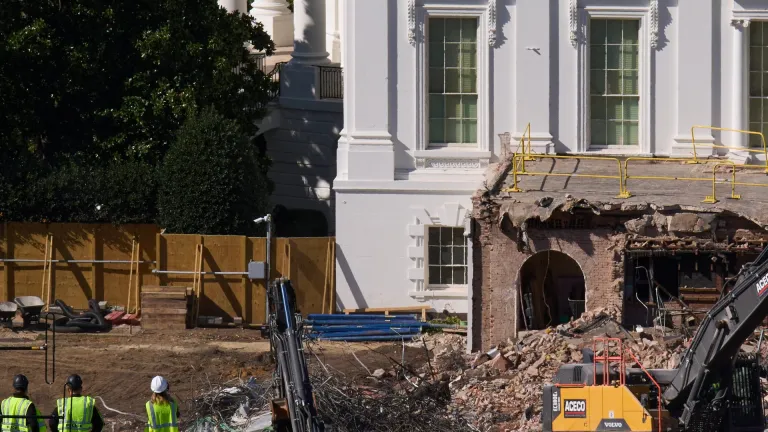
Government buildings in Washington, DC require specialized care when it comes to asbestos removal. These facilities serve federal employees and the public, which means safety and compliance cannot be compromised. Understanding the process certified contractors follow helps facility managers make informed decisions and set appropriate expectations.
At its core, professional asbestos removal is about more than just extracting hazardous materials. It’s a systematic approach that prioritizes health, follows strict regulations, and ensures government buildings remain safe for their intended use.
Why Government Buildings Need Specialized Processes
Federal and municipal properties in Washington, DC operate under unique constraints. High occupancy, continuous operations, and multiple regulatory oversight bodies create challenges that don’t exist in typical commercial projects.
The Stakes Are Higher
Government buildings house essential services. Courts, administrative offices, and federal agencies cannot simply close for extended periods. Any asbestos removal must balance safety with operational continuity.
Additionally, these properties serve the public. Any misstep affects not just employees but citizens who depend on government services. That’s why certified contractors follow rigorous processes designed to eliminate risk while minimizing disruption.
Phase 1: Initial Assessment and Inspection
Every government building asbestos removal project begins with a thorough assessment. This critical first step establishes the scope of work and guides all subsequent decisions.
Professional Inspection
Licensed inspectors survey the property, identifying potential asbestos-containing materials. In government buildings constructed before 1980, common locations include:
- Pipe insulation in mechanical rooms
- Floor tiles in older office wings
- Ceiling tiles and textured coatings
- Insulation around HVAC systems
- Roofing materials and exterior components
Inspectors take samples following EPA protocols. These samples go to accredited laboratories for analysis using polarized light microscopy or transmission electron microscopy.
Comprehensive Reporting
After lab results return, inspectors generate detailed reports that document:
- Locations of all asbestos-containing materials
- Material types and conditions
- Risk assessments based on friability and accessibility
- Recommended abatement approaches
- Preliminary project scopes and timelines
This documentation becomes the foundation for planning and regulatory compliance.
Phase 2: Project Planning and Design
With inspection results in hand, certified contractors develop customized abatement plans for each government facility.
Abatement Strategy Development
Not all asbestos requires immediate removal. Depending on material condition and project needs, options include:
Removal: Complete extraction of asbestos-containing materials. This is typically chosen for renovation projects or when materials are deteriorating.
Encapsulation: Sealing materials with specialized coatings that prevent fiber release. This works well for materials in good condition that won’t be disturbed.
Enclosure: Building barriers around asbestos materials to isolate them from occupied spaces. Suitable for areas with limited access needs.
For most government building renovations, removal provides the most permanent solution.
Regulatory Compliance Planning
Washington, DC asbestos projects require notifications and permits from multiple agencies. Professional contractors handle:
- EPA NESHAP notifications submitted 10 days before work begins
- DC DOEE permit applications and approvals
- GSA notifications for federal properties
- Coordination with building management and occupants
Building these regulatory timelines into project schedules prevents delays.
Safety Protocol Design
Each project requires customized safety plans addressing:
- Containment system specifications
- Air monitoring locations and frequencies
- Worker protection equipment requirements
- Decontamination procedures
- Emergency response protocols
These plans meet or exceed OSHA, EPA, and DC requirements while adapting to each building’s unique characteristics.
Phase 3: Site Preparation and Containment
Before any asbestos removal begins, work areas must be properly prepared and isolated.
Establishing Work Zones
Professional contractors create distinct zones:
Contamination Control Area: The sealed workspace where asbestos removal occurs. Access is strictly controlled and monitored.
Decontamination Area: A buffer zone where workers remove protective equipment and shower before exiting. This prevents fiber transfer to clean areas.
Clean Area: Building spaces outside the work zone where normal operations continue safely.
Building Containment Systems
Proper containment is critical in government buildings where uncontrolled fiber release could affect many people. This involves:
Physical Barriers: Heavy-duty plastic sheeting seals all openings, including doors, windows, vents, and penetrations. Multiple layers ensure integrity.
Negative Air Pressure: HEPA-filtered machines create pressure differentials that pull air into work areas rather than pushing it out. This prevents fiber escape even if barriers are compromised.
Air Monitoring: Continuous monitors track fiber levels inside and outside containment areas throughout the project.
Occupant Protection
In buildings that remain operational during abatement:
- Alternative routes redirect foot traffic away from work areas
- HVAC systems are modified to prevent contamination spread
- Communication protocols keep occupants informed of project status
- Security measures prevent unauthorized access to work zones
Phase 4: Asbestos Removal
With preparation complete, certified technicians begin the actual removal process.
Worker Protection
All technicians wear:
- Full-face respirators with HEPA filters
- Disposable protective suits
- Gloves and boot covers
- Hard hats when required
Training ensures workers understand proper equipment use and safety procedures.
Removal Techniques
The specific approach depends on material type:
Wetting: Materials are thoroughly wetted with amended water to minimize fiber release during handling.
Careful Extraction: Materials are removed in controlled sections, keeping fiber generation minimal.
Immediate Containment: Removed materials go directly into sealed, labeled containers that meet EPA specifications.
Surface Cleaning: After removal, all surfaces within work areas are HEPA vacuumed and wet-wiped to remove residual fibers.
Continuous Monitoring
Throughout removal:
- Air samples verify containment effectiveness
- Supervisors conduct regular safety inspections
- Documentation tracks daily progress
- Communication keeps facility managers informed
Phase 5: Waste Disposal
Proper disposal is as important as safe removal. Government projects demand full compliance with hazardous waste regulations.
Packaging and Transportation
All asbestos waste is:
- Double-bagged in six-mil polyethylene
- Sealed and labeled with required hazard warnings
- Manifested with detailed waste descriptions
- Transported by licensed haulers in enclosed vehicles
Approved Disposal Facilities
Materials go only to EPA-approved landfills permitted to accept asbestos waste. Disposal facilities provide:
- Waste acceptance confirmation
- Weight tickets and manifests
- Permanent disposal documentation
These records prove proper disposal and protect government agencies from future liability.
Phase 6: Clearance Testing and Final Inspection
Before work areas can be reopened, independent testing confirms safety.
Air Clearance Testing
Accredited laboratories conduct aggressive air sampling:
- Containment is disturbed to simulate worst-case conditions
- Air samples are collected at multiple locations
- Samples undergo transmission electron microscopy analysis
- Results are compared to EPA clearance standards
Areas are not released until testing confirms fiber levels meet or exceed safety requirements.
Visual Inspection
In addition to air testing, certified inspectors visually examine all surfaces to ensure:
- No visible residue remains
- All asbestos materials have been removed
- Containment barriers are intact
- Waste has been properly removed from the site
Final Documentation
Upon successful clearance:
- Testing reports document safe conditions
- Certificates of completion are issued
- All project records are compiled
- Facility managers receive comprehensive final reports
Phase 7: Restoration and Handover
With asbestos safely removed and clearance obtained, areas are prepared for return to service.
Site Restoration
Containment barriers are carefully removed and disposed of properly. Any necessary cleaning or minor repairs prepare spaces for:
- Renovation work to proceed
- Return to normal operations
- Future construction phases
Documentation Package
Government agencies receive complete project files including:
- Initial inspection reports
- All regulatory notifications and permits
- Daily logs and monitoring results
- Waste disposal manifests
- Clearance testing certificates
- Photographs documenting key project phases
These records demonstrate compliance and support future facility management decisions.
Why Our Process Works for Government Buildings
This comprehensive approach succeeds in government settings because it:
Prioritizes Safety: Multiple layers of protection ensure workers and occupants remain safe throughout the project.
Maintains Compliance: Every step follows federal, EPA, OSHA, and DC regulations, preventing penalties and legal issues.
Minimizes Disruption: Careful planning and professional execution keep government operations running during abatement.
Provides Documentation: Thorough records support audits, future projects, and long-term facility management.
Delivers Certainty: Independent testing and clearance provide confidence that buildings are truly safe.
The Value of Certification
Government buildings in Washington, DC deserve contractors who understand the complexities of federal properties. Certification demonstrates:
- Specialized training in asbestos handling
- Knowledge of government building requirements
- Commitment to regulatory compliance
- Accountability through licensing oversight
Working with certified contractors protects government agencies from liability while ensuring projects are completed properly.
Final Thoughts
Asbestos removal in Washington, DC government buildings is a serious undertaking that requires expertise, planning, and unwavering attention to safety. The process outlined here represents industry best practices adapted specifically for government facilities.
From initial inspection through final clearance, each phase builds on the previous one to create a comprehensive approach that protects people, maintains compliance, and delivers safe buildings ready for continued service.
When government facilities require asbestos abatement, understanding this process helps facility managers select qualified contractors, set realistic expectations, and ensure projects succeed. The investment in professional, certified removal services pays dividends through safe workplaces, protected public spaces, and the peace of mind that comes from knowing the job was done right.
