
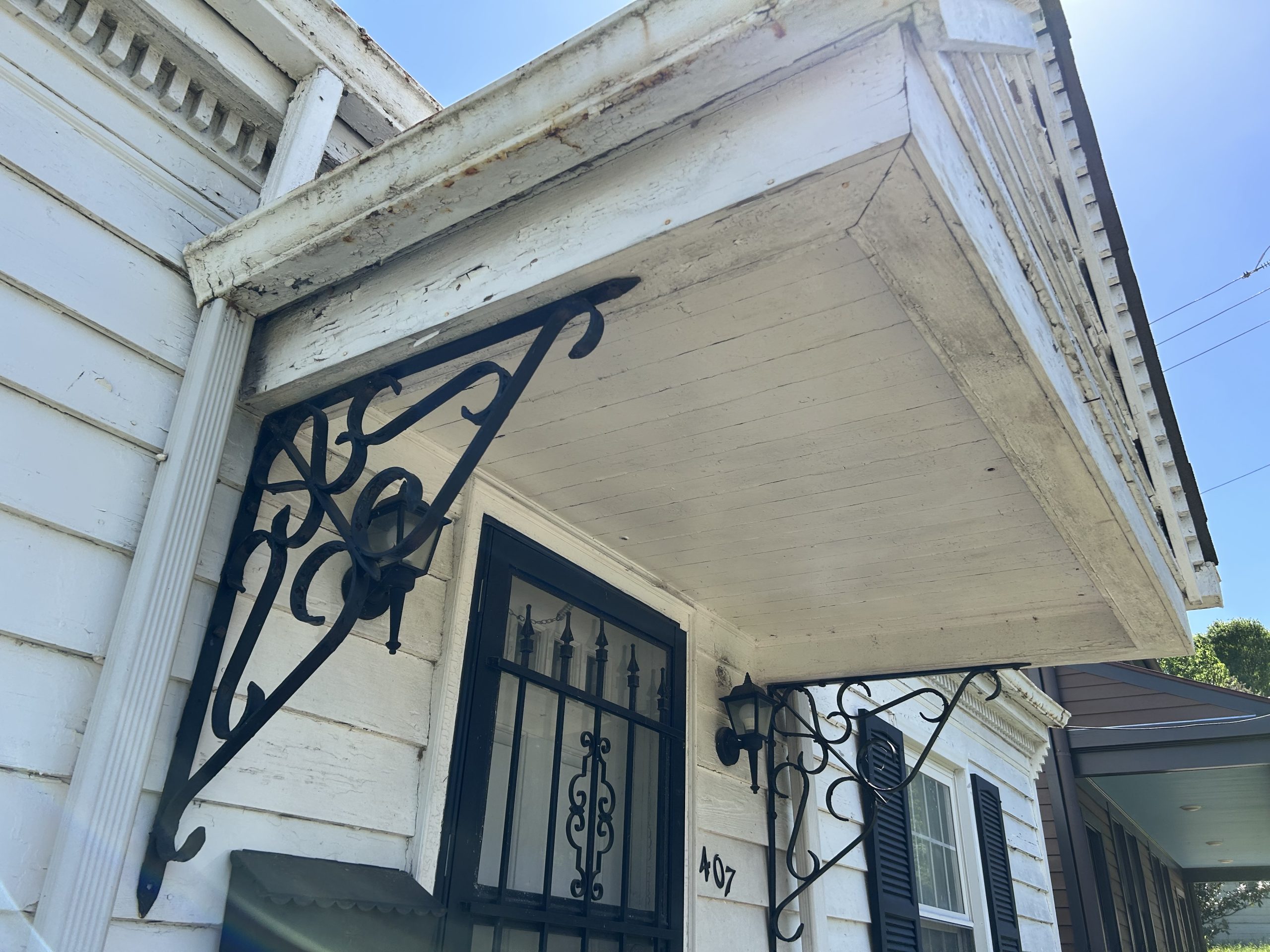
Lead-based paint remains one of the most persistent hazards in older government buildings across Virginia. From courthouses constructed in the 1950s to school facilities dating back to the mid-20th century, countless public structures still contain lead-based paint that threatens both occupants and employees. For facility managers, procurement officers, and government administrators responsible for maintaining these spaces, choosing the right lead abatement contractor isn’t just about compliance—it’s about protecting public health and taxpayer investment.
Unlike residential projects where homeowners make decisions for their own families, government buildings serve vulnerable populations including children, elderly citizens, and public employees. The stakes are higher, the regulatory requirements more complex, and the need for proven expertise absolutely critical.
This comprehensive checklist walks you through the essential criteria for evaluating lead abatement services for Virginia public buildings. Whether you’re preparing bid specifications or reviewing contractor proposals, these guidelines will help you identify qualified providers who can deliver safe, compliant, and cost-effective results.
Understanding Lead Hazards in Virginia Public Buildings
Before diving into evaluation criteria, it’s important to understand the scope of the challenge. Many Virginia government facilities were constructed during the era when lead-based paint was standard practice. Between the 1940s and 1978, lead paint was used extensively in public buildings due to its durability and cost-effectiveness.
Common locations where lead-based paint appears in government facilities include:
- Window frames and sills in older administrative buildings
- Door frames and trim in historic courthouses
- Stairwell railings in multi-story office complexes
- Exterior surfaces on municipal buildings
- Walls and ceilings in schools built before 1978
- Pipe insulation and mechanical rooms in older facilities
The challenge intensifies when these buildings require renovation, remodeling, or routine maintenance. Any activity that disturbs lead-based paint can release hazardous dust and particles, creating exposure risks that extend far beyond the immediate work area. That’s why Virginia regulations mandate specific protocols for lead abatement in public facilities.
Why Proper Contractor Selection Matters
Government procurement decisions carry lasting consequences. A qualified lead abatement contractor protects building occupants, ensures regulatory compliance, and preserves the structural integrity of historic buildings. An underqualified contractor can create health hazards, trigger regulatory violations, and result in costly remediation failures.
The right contractor brings more than basic removal capabilities. They understand the unique challenges of government buildings, including:
- Maintaining operations during abatement work
- Coordinating with multiple stakeholders and departments
- Navigating historic preservation requirements
- Meeting stringent Virginia Department of Professional and Occupational Regulation standards
- Providing documentation that withstands public scrutiny and audit requirements
With these considerations in mind, let’s examine the critical evaluation criteria.
Licensing and Certification Requirements
Virginia law requires specific licensing for all lead abatement work. This is your first and most fundamental checkpoint. Never consider contractors who cannot provide current, verifiable credentials.
Essential license verification steps:
Request copies of Virginia Department of Professional and Occupational Regulation lead abatement contractor license. Verify that individual workers hold current lead abatement worker or supervisor certifications as required by Virginia regulations. Confirm that certifications are active and not expired or under disciplinary action. Check the Virginia DPOR online database to verify license status and review any complaint history.
Beyond basic licensing, look for contractors with experience in government and institutional settings. Lead abatement in a working courthouse differs significantly from residential projects. The contractor should demonstrate familiarity with public building challenges such as maintaining security protocols, minimizing disruption to government services, and coordinating with facility management teams.
Safety Protocols and Compliance History
Safety isn’t just about following regulations—it’s about protecting everyone who enters the building during and after abatement work. A contractor’s safety record reveals their commitment to best practices and risk management.
Key safety evaluation criteria:
Review the contractor’s safety plan and ask how they handle containment in occupied buildings. Request documentation of previous projects showing compliance with EPA, OSHA, and Virginia Department of Labor and Industry requirements. Ask about their procedures for negative air pressure systems, HEPA filtration, and worker protection. Inquire about their record with regulatory inspections and whether they’ve faced citations or violations.
Contractors who prioritize safety invest in regular training, maintain modern equipment, and implement proactive monitoring systems. They should be able to explain their containment procedures in detail, including how they prevent cross-contamination between work zones and occupied areas.
Experience with Government and Institutional Projects
Government buildings present unique operational challenges that residential contractors may not understand. When evaluating potential contractors, prioritize those with proven experience in public facilities.
Questions to assess government project experience:
- Can the contractor provide references from other Virginia government agencies or municipalities?
- Do they understand procurement regulations and public contracting requirements?
- Have they worked in occupied government buildings while maintaining normal operations?
- Can they demonstrate experience with similar building types, whether schools, courthouses, or administrative offices?
Experience with government projects also means understanding the documentation and accountability requirements that come with public contracts. The contractor should be comfortable with detailed reporting, progress documentation, and coordination with multiple oversight agencies.
Project Management and Scheduling Capabilities
Government buildings rarely have the luxury of shutting down completely for abatement work. Successful projects require sophisticated scheduling and project management to minimize disruption.
Evaluate project management capabilities by asking:
How does the contractor plan phased abatement to allow continued building operations? What systems do they use for tracking project progress and communicating with stakeholders? Can they provide a realistic timeline that accounts for coordination with building occupants? How do they handle unexpected challenges or schedule changes?
Strong project management also includes proactive communication. The contractor should have clear protocols for notifying building managers about daily activities, addressing concerns from occupants, and escalating issues that require immediate attention.
Disposal and Compliance Documentation
Lead-containing waste must be disposed of at approved facilities in accordance with Virginia and federal regulations. Improper disposal creates environmental hazards and exposes government agencies to significant liability.
Critical disposal verification steps:
Confirm that the contractor uses only licensed disposal facilities approved for lead waste. Request copies of waste manifests and disposal documentation from previous projects. Verify that they follow Department of Labor and Industry notification requirements before beginning abatement work. Ask about their documentation procedures for chain of custody and final disposal confirmation.
Proper documentation protects your agency in the event of future questions or regulatory inquiries. The contractor should provide comprehensive records showing that all waste was handled, transported, and disposed of in full compliance with applicable regulations.
Testing and Clearance Procedures
The abatement project isn’t complete until independent testing confirms that the building is safe for reoccupancy. Contractors who rush through clearance testing or use inadequate methods create ongoing liability.
Essential testing and clearance criteria:
Does the contractor use independent, third-party testing for post-abatement clearance? What are their procedures for HEPA vacuuming and final cleaning before testing? How do they handle situations where initial clearance tests fail? Can they provide documentation showing successful clearance testing from previous projects?
Clearance testing should follow EPA and Virginia protocols, with air sampling and surface wipe testing conducted by certified inspectors who are independent of the abatement contractor. Any contractor who suggests skipping or abbreviating clearance testing should be immediately disqualified.
Cost Structure and Budget Transparency
Government contracts require transparent pricing and clear cost structures. While lowest bid isn’t always best value, you need contractors who can explain their pricing and deliver projects within budget.
Financial evaluation considerations:
Request detailed breakdowns showing labor, materials, disposal, and testing costs. Ask about potential change order scenarios and how additional work is priced. Verify that the contractor can provide accurate estimates based on site inspections. Check whether they have experience with government budget cycles and funding mechanisms.
Be cautious of bids that seem significantly lower than competitors. Underbidding often leads to corner-cutting, incomplete work, or surprise change orders that ultimately increase total costs. Look for contractors who provide competitive pricing backed by detailed justification.
Insurance and Bonding Requirements
Government contracts typically require specific insurance coverage and bonding to protect public interests. Verify that potential contractors meet or exceed these requirements.
Required insurance and bonding verification:
Confirm general liability insurance with minimum coverage levels specified in your contract requirements. Verify workers’ compensation insurance covering all employees who will work on the project. Check that pollution liability insurance specifically covers lead abatement activities. Ensure performance bonds and payment bonds are available if required by your procurement regulations.
Request certificates of insurance showing your government agency as an additional insured. Insurance should be current throughout the project duration, and the contractor should have procedures for providing updated certificates if policies renew during the project.
Communication and Stakeholder Coordination
Government projects involve multiple stakeholders including building occupants, department heads, elected officials, and the public. The contractor must demonstrate strong communication skills.
Communication capability assessment:
Ask about their procedures for coordinating with building managers and occupants. Request examples of project communication plans from previous government contracts. Verify that they can provide regular progress updates and respond promptly to questions. Check whether they have experience working with historic preservation offices or architectural review boards if your building has historic designation.
Effective communication prevents misunderstandings, reduces occupant anxiety, and keeps projects on track. The contractor should be comfortable attending meetings, providing written updates, and adjusting communication frequency based on project needs.
Emergency Response and Problem-Solving
Even well-planned projects encounter unexpected challenges. The contractor’s ability to respond to emergencies and solve problems reveals their professionalism and experience.
Questions to assess problem-solving capabilities:
What is their protocol for handling unexpected discovery of additional lead-based paint? How do they respond to equipment failures or containment breaches? Can they provide examples of challenging situations from past projects and how they resolved them? What is their availability for emergency response if issues arise outside normal business hours?
Government buildings cannot afford extended disruptions or safety incidents. Choose contractors who demonstrate proactive problem-solving, maintain backup equipment, and have protocols for rapid response to unexpected situations.
Working with Rath Enterprises, Inc.
For Virginia government agencies seeking experienced lead abatement services, Rath Enterprises, Inc. brings specialized expertise in environmental remediation and demolition services. As a company serving commercial, government, and institutional clients throughout the Mid-Atlantic region, Rath Enterprises understands the unique requirements of public buildings.
Their team of licensed professionals delivers comprehensive solutions including lead abatement, asbestos removal, and selective demolition. With a proven track record of completing government projects safely, on schedule, and within budget, Rath Enterprises combines technical expertise with the accountability and documentation standards that public contracts demand.
When evaluating lead abatement providers for your Virginia public building, consider contractors who demonstrate the full range of capabilities outlined in this checklist. The right partner will protect building occupants, ensure regulatory compliance, and deliver lasting value for taxpayers.
Making the Final Decision
After completing your evaluation using this checklist, compile your findings and compare contractors based on the criteria most critical to your specific project. Consider creating a scoring matrix that weights factors according to your priorities.
Remember that the lowest bid doesn’t always represent the best value. Factor in the contractor’s experience, safety record, and ability to minimize disruption to building operations. A slightly higher upfront cost often proves more economical when it prevents project delays, regulatory violations, or incomplete abatement requiring future remediation.
Request detailed proposals that address each evaluation criterion. Schedule interviews or site meetings with finalists to assess their professionalism and communication skills in person. Check references thoroughly, speaking directly with facility managers from previous government projects.
Conclusion
Lead abatement in Virginia public buildings requires specialized expertise, meticulous planning, and unwavering commitment to safety. By using this comprehensive checklist to evaluate potential contractors, you can identify qualified providers who will protect building occupants, ensure regulatory compliance, and deliver successful project outcomes.
Government facility managers bear significant responsibility for maintaining safe, healthy buildings that serve the public. Choosing the right lead abatement contractor is a critical decision that impacts not just the immediate project, but the long-term safety and functionality of the building.
Take the time to thoroughly evaluate contractors using these criteria. Ask detailed questions, verify credentials independently, and trust your assessment of each contractor’s professionalism and capabilities. With the right partner, you can address lead hazards effectively while maintaining the operations and integrity of your Virginia public building.
