
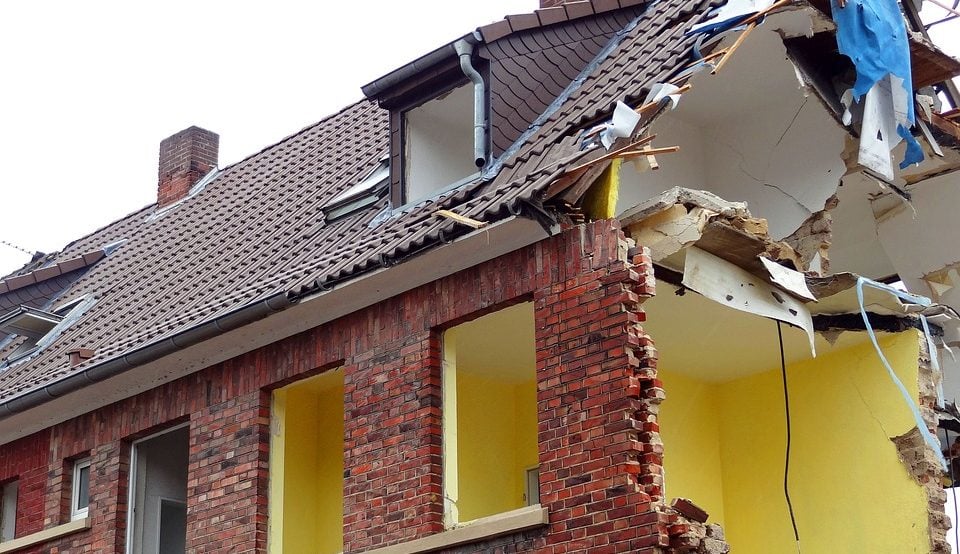
When it’s time to tear down an old structure, whether to make way for new construction or to remove a hazardous building, homeowners often wonder what exactly happens during the demolition process. Hiring a residential demolition service in DC isn’t as simple as bringing in heavy machinery and knocking down walls. It’s a structured, highly regulated process that requires careful planning, compliance with Washington, DC codes, and professional expertise.
If you’re preparing for a project and want to know what lies ahead, this guide will walk you through everything to expect during residential homes demolition service in DC—from planning and permits to debris cleanup and site restoration.
Step 1: Initial Consultation and Site Assessment
The first stage in any demolition service for residential homes in DC is the consultation and assessment. A reputable contractor will schedule a site visit to evaluate your property. They’ll look at:
- The size and structure of the home.
- Materials used (wood, brick, concrete, etc.).
- Environmental hazards, such as asbestos, lead paint, or mold.
- Proximity to neighboring properties.
- Accessibility for equipment and crews.
This step is essential because not all demolition projects are alike. A single-family house in Capitol Hill will pose different challenges than a multi-unit property in Columbia Heights. A detailed assessment ensures the contractor can recommend the safest and most cost-effective approach.
Step 2: Permits and Regulatory Compliance
In Washington, DC, demolition projects require permits and strict adherence to building codes and environmental laws. Professional residential demolition services in Washington, DC handle this process for you.
Common permits and approvals include:
- Demolition Permit: Required by the DC Department of Buildings.
- Historic Preservation Approval: If your home falls within a designated historic district.
- Environmental Clearances: Especially if asbestos, lead, or other hazardous materials are present.
- Utility Disconnection Approvals: Gas, electricity, and water lines must be safely cut off.
Homeowners benefit greatly from hiring professionals who know the local regulations inside and out. Navigating DC’s permitting process on your own can be confusing and time-consuming.
Step 3: Hazardous Material Abatement
Before physical demolition begins, the site must be cleared of dangerous substances. This is one of the most critical services offered by contractors specializing in residential homes demolition service in DC.
Hazards often found in older homes include:
- Asbestos in insulation, floor tiles, and siding.
- Lead-based paint on walls, trim, and windows.
- Mold growth in basements, attics, or behind walls.
Licensed crews will remove or encapsulate these materials safely. This step protects not only the demolition workers but also nearby residents and the environment.
Step 4: Preparing the Property
Once hazards are addressed and permits secured, the property is prepped for demolition. Preparation usually includes:
- Installing temporary fencing around the site for safety.
- Disconnecting utilities (gas, water, sewer, electricity).
- Salvaging reusable materials, such as fixtures, bricks, or lumber.
- Establishing truck routes for debris removal.
This phase ensures the project can proceed smoothly without delays or risks to surrounding properties.
Step 5: Demolition Methods
The actual demolition depends on the size of the home, its location, and the project goals. In Washington, DC, contractors typically use one of two methods:
1. Mechanical Demolition
This is the most common approach, involving heavy machinery like excavators and bulldozers. The structure is carefully dismantled, and debris is collected for removal. Mechanical demolition is fast and efficient, ideal for most residential properties.
2. Deconstruction (Selective Demolition)
In dense urban areas or when homeowners want to salvage more materials, contractors may use selective demolition. Crews take apart sections of the home by hand or with smaller equipment, salvaging wood, bricks, or metals. While slower and more labor-intensive, deconstruction supports sustainability and minimizes waste.
Both methods fall under professional demolition service for residential homes in DC, and your contractor will recommend the best fit for your project.
Step 6: Debris Removal and Recycling
Demolition generates a significant amount of waste—wood, concrete, metal, drywall, and more. Responsible contractors ensure debris is hauled away quickly and disposed of properly.
In DC, much of this waste can be recycled:
- Metals and copper wiring.
- Concrete crushed into aggregate.
- Wood repurposed for other projects.
By choosing a licensed provider of residential demolition service in DC, you can rest assured that your project will meet both legal requirements and environmental best practices.
Step 7: Site Grading and Preparation for Future Use
Once the home is gone and debris is cleared, the contractor will often grade the land, leaving the site level and ready for the next phase—whether that’s building a new home, landscaping, or leaving it as open land.
In some cases, soil testing may be required to ensure no contaminants remain. This is especially important if the previous structure had fuel tanks, lead pipes, or asbestos.
How Long Does a Residential Demolition Take?
The timeline for residential demolition services in Washington, DC varies based on factors like property size, permits, and hazardous material removal. On average:
- Permitting and approvals: 2–6 weeks.
- Hazardous material abatement: 1–2 weeks.
- Demolition and debris removal: 3–7 days.
- Site grading and final inspections: 2–5 days.
In total, you can expect the process to take anywhere from 4 to 8 weeks from start to finish.
Cost Considerations
The cost of a residential homes demolition service in DC depends on:
- The size and type of the home.
- Presence of hazardous materials.
- Accessibility (tight urban lots vs. open suburban lots).
- Method of demolition (mechanical vs. selective).
- Debris disposal and recycling needs.
On average, residential demolition in DC may range from $8,000 to $25,000, but complex projects can run higher. A detailed site assessment will provide a more accurate estimate.
Why Hire Professionals?
Attempting to manage demolition yourself is dangerous, illegal without permits, and almost guaranteed to cause delays or penalties. Professional contractors bring:
- Safety expertise to protect workers and neighbors.
- Regulatory knowledge to handle permits and compliance.
- Specialized equipment for efficient demolition.
- Environmental responsibility in handling hazardous materials.
- Peace of mind for homeowners during a stressful process.
Hiring a trusted provider of residential demolition service in DC is the difference between a smooth project and a potential legal or safety nightmare.
Final Thoughts
Demolishing a home in Washington, DC is a major undertaking, but with the right contractor, it can be managed safely, legally, and efficiently. From permits and hazardous material abatement to debris removal and site grading, every step is designed to protect you, your neighbors, and the environment.
If you’re planning a project, start by consulting with an experienced provider of residential demolition services in Washington, DC. They’ll guide you through the process, handle the paperwork, and ensure your project is completed on time and within budget.
Whether you’re clearing land for a new build or removing a structurally unsafe property, professional demolition service for residential homes in DC will give you the expertise and support you need from start to finish.
