
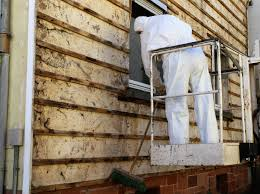
Lead has been a silent health threat in Washington, DC for decades. Many older residential and commercial buildings in the region were constructed with lead-based paint, plumbing, and other materials before federal restrictions came into effect in 1978. Today, lead exposure remains a concern—especially for families living in historic neighborhoods where aging paint and pipes are still in use.
If you’re a property owner, tenant, or landlord in the District, you’ve probably heard about lead testing and lead abatement. These are two very different services, and knowing when you need one versus the other is key to keeping your property safe and compliant.
This article breaks down the difference between lead testing and lead abatement, when each is necessary, and how services like residential lead abatement in DC protect both health and property value.
Why Lead Exposure Is Dangerous
Before diving into testing and abatement, it’s important to understand why lead is such a serious hazard.
- Children are most at risk. Even low levels of lead in the blood can cause developmental delays, learning difficulties, and behavioral problems.
- Pregnant women face added risks. Lead exposure can harm fetal development.
- Adults aren’t immune. Long-term exposure can lead to high blood pressure, kidney damage, and nervous system disorders.
Because lead exposure is often invisible—dust, chips, or microscopic particles can linger without obvious signs—property owners cannot rely on sight alone. That’s where testing and abatement come into play.
What Is Lead Testing?
Lead testing is the process of identifying whether lead is present in paint, dust, soil, or water within a building or its surrounding property.
When Is Lead Testing Needed?
Lead testing is often the first step in addressing a potential lead hazard. You should consider professional testing if:
- Your home or building was constructed before 1978.
- You notice deteriorating paint on walls, windows, or trim.
- You are renovating or remodeling an older property.
- A tenant, child, or family member shows symptoms of lead exposure.
- You are selling or renting a property and must comply with local disclosure requirements.
In Washington, DC, property owners are held to strict standards under the Lead-Hazard Prevention and Elimination Act. Testing ensures you know the risks and remain compliant with city regulations.
What Is Lead Abatement?
Lead abatement is the process of permanently eliminating or controlling lead hazards. Unlike temporary fixes like painting over surfaces, abatement is a long-term solution that involves specialized techniques performed by licensed contractors.
Common Methods of Lead Abatement:
- Paint stabilization: Repairing or removing deteriorating lead-based paint.
- Component removal: Safely removing and replacing contaminated surfaces (e.g., windows, doors, trim).
- Encapsulation: Covering lead-painted surfaces with protective coatings.
- Chemical stripping or abrasive blasting: Carefully removing lead-based paint.
- Waste disposal: Safely transporting and discarding contaminated debris.
Lead abatement is not just a safety measure—it’s often a legal requirement for landlords, childcare facilities, and schools in DC.
Lead Testing vs Lead Abatement: The Key Differences
| Factor | Lead Testing | Lead Abatement |
|---|---|---|
| Purpose | Identifies the presence of lead | Permanently removes or controls lead hazards |
| When Needed | Suspected presence of lead, compliance, pre-renovation | Confirmed hazards, compliance violations, safety risks |
| Performed By | Licensed lead inspectors or risk assessors | Licensed abatement contractors |
| Regulatory Role | Provides documentation of lead status | Ensures compliance with DC and EPA safety laws |
| Outcome | Information and risk assessment | Long-term hazard elimination |
In short: Testing tells you what’s there. Abatement removes it.
When Should Washington, DC Homeowners Choose Testing?
Homeowners should prioritize lead testing when:
- They are unsure if their property contains lead.
- They’re planning renovations on an older home.
- They want peace of mind before buying or renting a property.
This is especially important in neighborhoods like Capitol Hill, Dupont Circle, Shaw, and Georgetown, where many historic homes pre-date modern safety regulations.
When Is Lead Abatement the Right Choice?
Lead abatement becomes necessary when:
- Testing confirms dangerous levels of lead.
- A child in the household has elevated blood lead levels.
- A landlord or property manager must comply with city mandates.
- Renovations will disturb lead-based materials.
- Ongoing paint deterioration or structural wear makes lead exposure unavoidable.
For families, especially those with young children, investing in a residential lead abatement service in DC is often the safest and most cost-effective long-term solution.
The Role of Professional Services in DC
While DIY test kits exist, the District of Columbia has strict standards for lead management. Only licensed professionals can perform risk assessments and abatement.
Rath Enterprises, Inc. provides both testing and full-scale residential properties lead abatement service in DC, ensuring compliance and safety every step of the way. By working with professionals, property owners can:
- Avoid fines and legal penalties.
- Ensure EPA and DC regulations are followed.
- Protect family, tenants, and workers from exposure.
- Increase property value with a safe, certified environment.
Choosing Between Lead Testing and Lead Abatement
Think of it as a two-step process:
- Test First – If you suspect lead or are legally required to check, schedule professional testing.
- Abate If Needed – If hazards are found, move forward with residential properties lead reduction service in DC to permanently address the problem.
Not every home with lead-based paint requires abatement. If the paint is intact and undisturbed, regular monitoring may suffice. However, once deterioration begins—or if occupants are at risk—abatement is the best choice.
Final Thoughts
Lead hazards are a serious issue in Washington, DC, particularly in older residential properties. Understanding the difference between lead testing and lead abatement helps property owners make informed decisions about safety, compliance, and long-term value.
- Testing provides knowledge.
- Abatement provides protection.
Whether you need a quick risk assessment or a comprehensive residential lead abatement service in DC, Rath Enterprises, Inc. is here to help. Our licensed team specializes in safeguarding homes, schools, and businesses from the dangers of lead exposure.
If you suspect your home or building may contain lead, don’t wait. Contact Rath Enterprises, Inc. today for professional residential properties lead abatement service in DC and ensure a safer, healthier environment for your family or tenants.
