
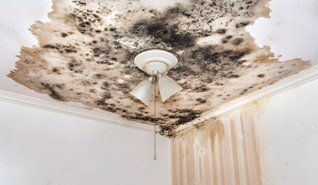
Mold is one of the most common problems homeowners face in the Washington, DC area. With our region’s mix of humid summers, wet basements, and older housing stock, mold can appear almost anywhere—from bathroom ceilings to basement drywall. While all types of mold can cause property damage and health concerns, black mold carries a reputation for being especially dangerous.
But what exactly is the difference between black mold and regular household mold? More importantly, when should you call in a residential mold remediation service in DC to protect your home and your health?
This article breaks down the key differences, the signs to watch for, and why professional removal is essential for residential properties mold remediation service in DC.
Understanding Mold in DC Homes
Mold is a type of fungus that thrives in damp, poorly ventilated environments. Common places it shows up include:
- Basements and crawlspaces
- Bathrooms and kitchens
- Attics with poor ventilation
- Areas around leaking pipes or roofs
Mold spreads through spores and can quickly colonize building materials such as drywall, insulation, and wood. For DC homeowners, mold growth is especially common due to humid summers and older properties with less effective moisture control.
While all mold types need attention, not all are equally harmful. That’s where the difference between black mold and regular mold becomes important.
What Is Black Mold?
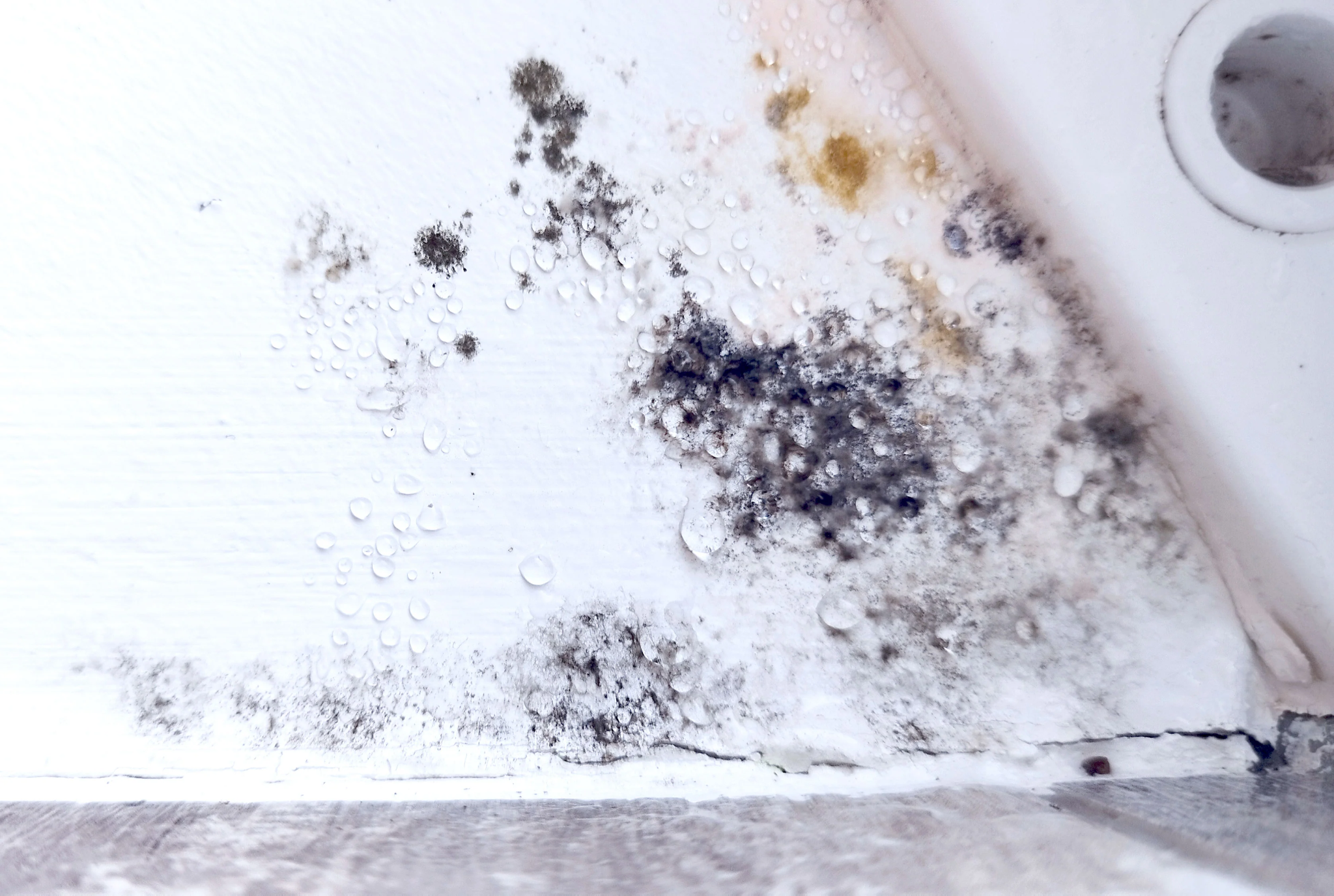
Black mold typically refers to Stachybotrys chartarum, a greenish-black mold that thrives on materials with high cellulose content, such as:
- Drywall
- Wood
- Paper products
- Carpet backing
Unlike some common household molds, black mold produces mycotoxins that can contribute to serious health problems when spores are inhaled over time.
Health risks linked to black mold exposure include:
- Chronic coughing or sneezing
- Eye and throat irritation
- Headaches and fatigue
- Aggravation of asthma or other respiratory issues
Because of these risks, black mold removal in DC homes should never be handled casually. Professional remediation is strongly recommended.
What About Regular Mold?
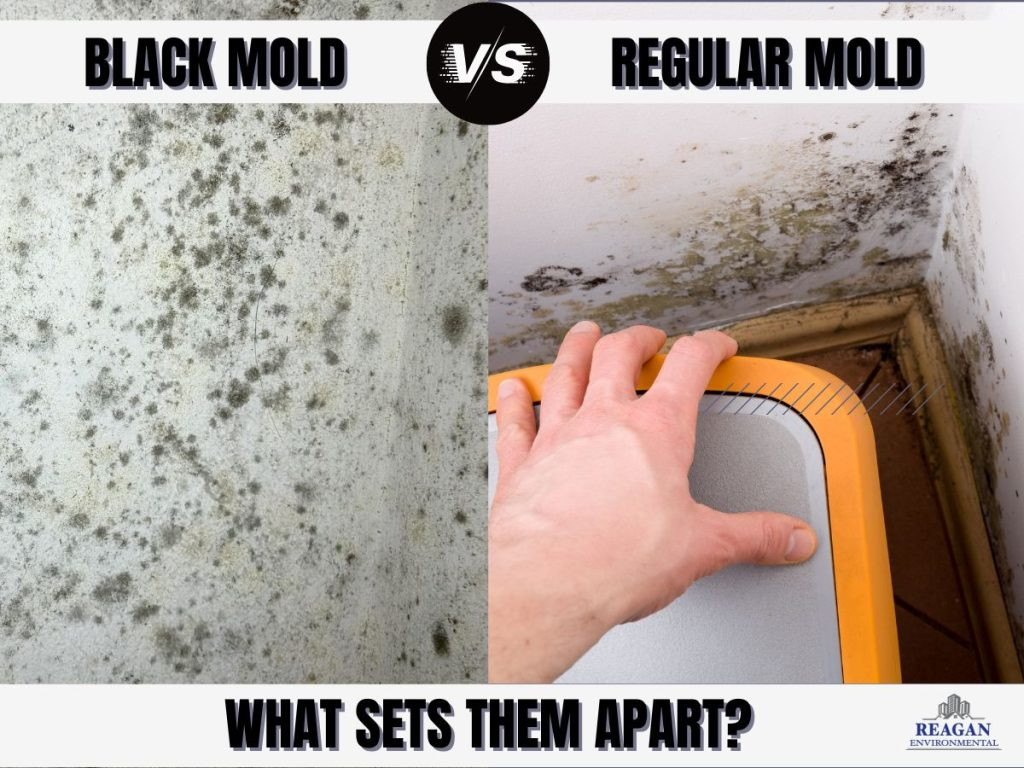
Not all mold is black mold. In fact, the majority of household mold falls into categories like Cladosporium, Aspergillus, or Penicillium. These molds can appear in shades of green, white, yellow, or even light brown.
While these types are generally less toxic than black mold, they can still:
- Trigger allergies and asthma
- Produce musty odors
- Damage walls, flooring, and insulation
Even so-called “regular mold” should never be ignored. Left untreated, it spreads quickly and creates structural and health problems that are costly to fix.
How to Tell the Difference
Homeowners often ask: Can I tell if it’s black mold just by looking? Unfortunately, the answer is not always.
Signs you may be dealing with black mold include:
- Dark greenish-black patches, often slimy to the touch
- Growth in areas with long-term water damage
- Strong, musty odor
- Health symptoms worsening in the home
Since visual identification alone isn’t reliable, professional mold inspection and testing are the only ways to confirm the type of mold. A trusted residential mold remediation service in DC can provide accurate testing and a clear remediation plan.
Why Professional Mold Remediation Matters
Trying to clean mold with bleach or store-bought sprays might seem tempting, but it rarely solves the problem. In many cases, it can make things worse by spreading spores through the air.
Here’s why calling a residential properties mold removal service in DC is the safest approach:
- Proper Containment: Professionals use negative air machines, barriers, and protective gear to keep spores from spreading.
- Safe Removal: Contaminated materials are removed and disposed of properly.
- Thorough Cleaning: Specialized equipment like HEPA vacuums and antimicrobial treatments ensure mold is fully addressed.
- Moisture Control: Experts identify and fix the underlying moisture issue so mold doesn’t return.
For DC homeowners, this professional approach ensures not just a cleaner home, but a safer and healthier environment for your family.
Common Areas for Mold in DC Residential Properties
At Rath Enterprises, Inc., we’ve seen mold infestations across every type of home in the region. The most common problem areas include:
- Basements: Often damp and poorly ventilated, basements are prime mold territory.
- Bathrooms: Leaky plumbing or poor ventilation creates perfect mold conditions.
- Kitchens: Under sinks or behind refrigerators, small leaks can go unnoticed.
- Attics: Roof leaks and poor airflow allow mold to thrive in insulation.
- HVAC Systems: Mold spores can spread through ductwork if moisture builds up.
Addressing these areas quickly with residential mold remediation DC services helps protect your property’s value and your family’s health.
DIY vs. Professional Removal: What’s Best for DC Homes?
DIY Cleaning:
- Works only for very small patches (under 10 square feet).
- Requires gloves, masks, and proper ventilation.
- Does not solve underlying moisture problems.
Professional Remediation:
- Handles all mold sizes safely.
- Provides testing to confirm mold type.
- Ensures complete removal and prevention.
- Offers peace of mind for homeowners and property managers.
If you’re unsure which approach to take, start with a professional inspection. Many residential properties mold remediation services in DC offer consultations to assess the scope of the problem.
Preventing Mold in Your DC Home
The best way to avoid costly mold remediation is prevention. Here are some practical steps:
- Use dehumidifiers in damp areas.
- Ensure bathrooms and kitchens have proper ventilation.
- Repair roof leaks and plumbing issues promptly.
- Clean and maintain gutters to direct water away from the foundation.
- Schedule routine inspections for older homes.
By keeping moisture under control, you can significantly reduce the risk of both black mold and regular mold growth.
Choosing the Right Residential Mold Remediation Service in DC
Not all remediation companies are the same. When selecting a partner, look for:
- Proper licensing and certifications
- Experience with both black mold and regular mold remediation
- Transparent pricing and detailed remediation plans
- Positive customer testimonials
Rath Enterprises, Inc. provides trusted residential properties mold remediation service in DC, backed by decades of experience in environmental safety and demolition. Our team is trained to handle everything from inspection to full remediation, ensuring your home is safe, clean, and mold-free.
Final Thoughts
Mold in your home is never something to ignore. Whether it’s common household mold or potentially toxic black mold, timely action is key to protecting your property and your family’s health.
If you suspect mold growth in your DC home, don’t wait. Contact us for professional residential properties mold removal service in DC. Our team specializes in safe, thorough remediation, giving homeowners peace of mind and healthier living spaces.
