
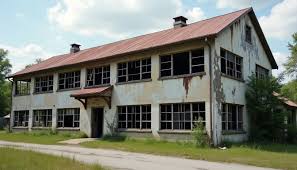
Virginia’s government buildings tell stories of the past. Historic courthouses in small towns, mid-century municipal offices, aging schools, and public libraries—these structures are cornerstones of their communities. But age brings more than character and charm. It also brings hidden dangers, and asbestos is one of the most serious.
Buildings constructed before the 1980s were built during the height of asbestos use in construction. While these materials may have been stable for decades, time takes its toll. As buildings age, asbestos-containing materials deteriorate, creating health risks for employees, visitors, and maintenance workers. That’s why regular asbestos assessments aren’t optional—they’re essential for government buildings asbestos abatement in Virginia.
This article explores why aging infrastructure demands ongoing vigilance, what changes over time, and how professional government buildings asbestos removal in Virginia protects public health and budgets.
The Reality of Virginia’s Aging Government Buildings
Across Virginia, countless government buildings were constructed during the post-World War II building boom. From the 1940s through the 1980s, asbestos was a standard ingredient in construction materials. It was cheap, durable, and fire-resistant—qualities that made it ideal for public buildings designed to last generations.
Fast forward to today, and those same buildings are showing their age. Roofs leak, pipes corrode, plaster cracks, and floor tiles break. What was once stable asbestos is now at risk of becoming a serious health hazard.
Consider these common scenarios in Virginia’s older government facilities:
- A 1960s courthouse with original pipe insulation now showing signs of deterioration
- A 1970s municipal office building with water-damaged ceiling tiles containing asbestos
- A 1950s school with aging vinyl floor tiles that crack during routine maintenance
- A historic library with asbestos-containing plaster walls that crumble when drilled into
Each of these situations creates potential exposure to asbestos fibers. Without regular assessments, these risks go undetected until they become emergencies.
What Changes as Buildings Age?
Asbestos-containing materials don’t remain stable forever. Several factors cause them to deteriorate over time:
Physical Wear and Tear
High-traffic areas see constant use. Floor tiles crack, ceiling panels sag, and wall surfaces chip. Each instance of physical damage can release asbestos fibers.
Water Damage
Leaking roofs, failing plumbing, and poor drainage cause moisture infiltration. Water weakens asbestos materials, making them friable and dangerous. In Virginia’s humid climate, moisture issues are particularly common in older buildings.
Temperature Fluctuations
Virginia’s seasonal temperature swings—from hot, humid summers to cold winters—cause building materials to expand and contract. This repeated stress weakens asbestos-containing materials over decades.
Vibrations and Structural Settling
Buildings settle over time, and vibrations from HVAC systems, traffic, or nearby construction can disturb asbestos materials. What was once firmly attached insulation or fireproofing can become loose and friable.
Routine Maintenance and Repairs
Every repair—replacing a ceiling tile, fixing a pipe, patching a wall—risks disturbing asbestos. Without proper assessments, maintenance crews may unknowingly release dangerous fibers.
Deferred Maintenance
Budget constraints often lead to deferred maintenance in government buildings. Postponing repairs allows minor issues to become major hazards, particularly with asbestos-containing materials.
Why One-Time Assessments Aren’t Enough
Some facility managers assume that a single asbestos inspection is sufficient. The reality is more complex. Conditions change, materials deteriorate, and new risks emerge. Regular assessments are necessary because:
Materials Degrade Over Time
An assessment conducted five or ten years ago may have found asbestos materials in good condition. But those same materials could now be damaged and releasing fibers. Regular assessments track changes in material condition.
New Damage Occurs
Water leaks, structural issues, or accidental damage can occur between assessments. Routine inspections catch these problems early, before they become health hazards.
Renovations and Upgrades Are Ongoing
Government buildings constantly evolve. Office reconfigurations, technology upgrades, accessibility improvements—each project risks disturbing asbestos. Pre-project assessments ensure work proceeds safely.
Regulatory Requirements Change
Federal and state regulations governing asbestos continue to evolve. Regular assessments ensure ongoing compliance with current standards.
Liability Protection
Regular documentation of asbestos conditions protects government entities from liability. If an employee or visitor develops an asbestos-related illness, documented assessments demonstrate due diligence.
The Health Stakes Are High
Asbestos exposure causes serious, often fatal diseases. Even low-level exposure over time can lead to:
- Asbestosis (progressive lung scarring)
- Lung cancer
- Mesothelioma (aggressive cancer of the lung lining)
- Other respiratory illnesses
These diseases often take 20-40 years to develop, meaning today’s exposure may not cause symptoms until decades later. For government employees who spend entire careers in the same building, cumulative exposure is a real concern.
Regular assessments identify hazards before exposure occurs, protecting the health of everyone who enters the building.
Financial Benefits of Regular Assessments
Beyond health and safety, regular asbestos assessments make financial sense:
Avoiding Emergency Abatement
Discovering asbestos during an emergency—a ceiling collapse, a major leak—forces immediate, unplanned abatement. Emergency projects cost significantly more than scheduled work. Regular assessments allow for planned, budgeted government buildings asbestos removal in Virginia.
Preventing Building Closures
Uncontrolled asbestos release can force building closures while emergency abatement occurs. This disrupts government services, displaces employees, and creates public relations challenges. Proactive assessments prevent such scenarios.
Protecting Property Value
Well-maintained buildings with documented asbestos management plans retain their value. Neglected buildings with unknown asbestos risks are harder to renovate, repurpose, or sell.
Reducing Liability Costs
Lawsuits and workers’ compensation claims related to asbestos exposure can be devastating. Regular assessments demonstrate a commitment to safety, reducing liability exposure.
What a Comprehensive Assessment Includes
Professional asbestos assessments for aging government buildings go beyond basic inspections. They should include:
Visual Inspection of All Areas
Certified inspectors examine every part of the building—offices, mechanical rooms, basements, attics, and utility corridors. They look for visible damage, deterioration, or disturbance of suspect materials.
Material Sampling and Laboratory Analysis
Samples of suspect materials are collected and analyzed by accredited laboratories. This confirms whether asbestos is present and identifies the type and concentration.
Condition Assessment
Inspectors evaluate the condition of all asbestos-containing materials using standardized rating systems. Materials are classified as:
- Good condition (intact, no visible damage)
- Fair condition (minor damage, requires monitoring)
- Poor condition (significant damage, requires immediate action)
Risk Assessment
Not all asbestos materials require immediate removal. Inspectors assess the risk level based on:
- Material condition
- Accessibility (is it in a public area or locked mechanical room?)
- Likelihood of disturbance
- Occupancy levels
Documentation and Recommendations
The final report includes:
- Detailed findings on all asbestos-containing materials
- Photographs and diagrams
- Recommendations for abatement, encapsulation, or monitoring
- Compliance status with federal and state regulations
- Prioritized action plan
How Often Should Assessments Occur?
The frequency of assessments depends on several factors:
Building Age and Condition
Buildings over 50 years old with known asbestos should be assessed every 2-3 years. Newer buildings or those with recent abatement may need less frequent assessments.
Material Condition
Buildings with asbestos materials in poor condition require more frequent monitoring—sometimes annually or even semi-annually.
Planned Renovations
Any planned renovation or major maintenance project requires a pre-project assessment, regardless of when the last assessment occurred.
After Significant Events
Water damage, fire, structural damage, or other significant events should trigger immediate reassessment.
Regulatory Requirements
Some federal programs and funding sources require periodic asbestos assessments. Facility managers should verify specific requirements for their buildings.
Choosing the Right Assessment Provider
Not all assessment providers are equal. When selecting a partner for government buildings asbestos abatement service in Virginia, look for:
Virginia State Licensing
Verify that inspectors hold current licenses from the Virginia Department of Professional and Occupational Regulation (DPOR).
Experience with Government Buildings
Public facilities have unique needs—security protocols, occupied spaces, and strict scheduling. Choose providers with proven government sector experience.
Accredited Laboratory Partnerships
Samples must be analyzed by labs accredited by the National Voluntary Laboratory Accreditation Program (NVLAP) or equivalent.
Comprehensive Reporting
Quality assessments include detailed, easy-to-understand reports with clear recommendations and action plans.
Abatement Capabilities
Providers who offer both assessment and abatement services streamline the process when action is needed.
How Rath Enterprises, Inc. Supports Virginia’s Aging Government Buildings
At Rath Enterprises, Inc., we understand that Virginia’s government buildings serve critical public functions. Our team specializes in comprehensive asbestos assessments for aging facilities across the state.
We work with facility managers to:
- Conduct thorough, minimally disruptive assessments
- Provide clear, actionable reports
- Develop long-term asbestos management plans
- Perform safe, compliant abatement when needed
- Ensure proper documentation for regulatory compliance
Our experience spans courthouses, schools, municipal offices, libraries, and other public facilities throughout Virginia. We know that every building is unique, and we tailor our approach to each facility’s specific needs and constraints.
Proactive Assessments Protect Everyone
Aging government buildings are valuable community assets, but they require ongoing attention to remain safe. Regular asbestos assessments aren’t just about compliance—they’re about protecting the health of employees, visitors, and the public.
If your Virginia government building hasn’t been assessed recently, or if you’re planning renovations or major maintenance, don’t wait for asbestos to become an emergency. Partner with a trusted provider of government properties asbestos removal in Virginia to ensure your facility remains safe and compliant.
At Rath Enterprises, Inc., we’re committed to helping Virginia’s public facilities navigate the challenges of aging infrastructure. Contact us today to schedule a comprehensive asbestos assessment and take the first step toward a safer building.
