
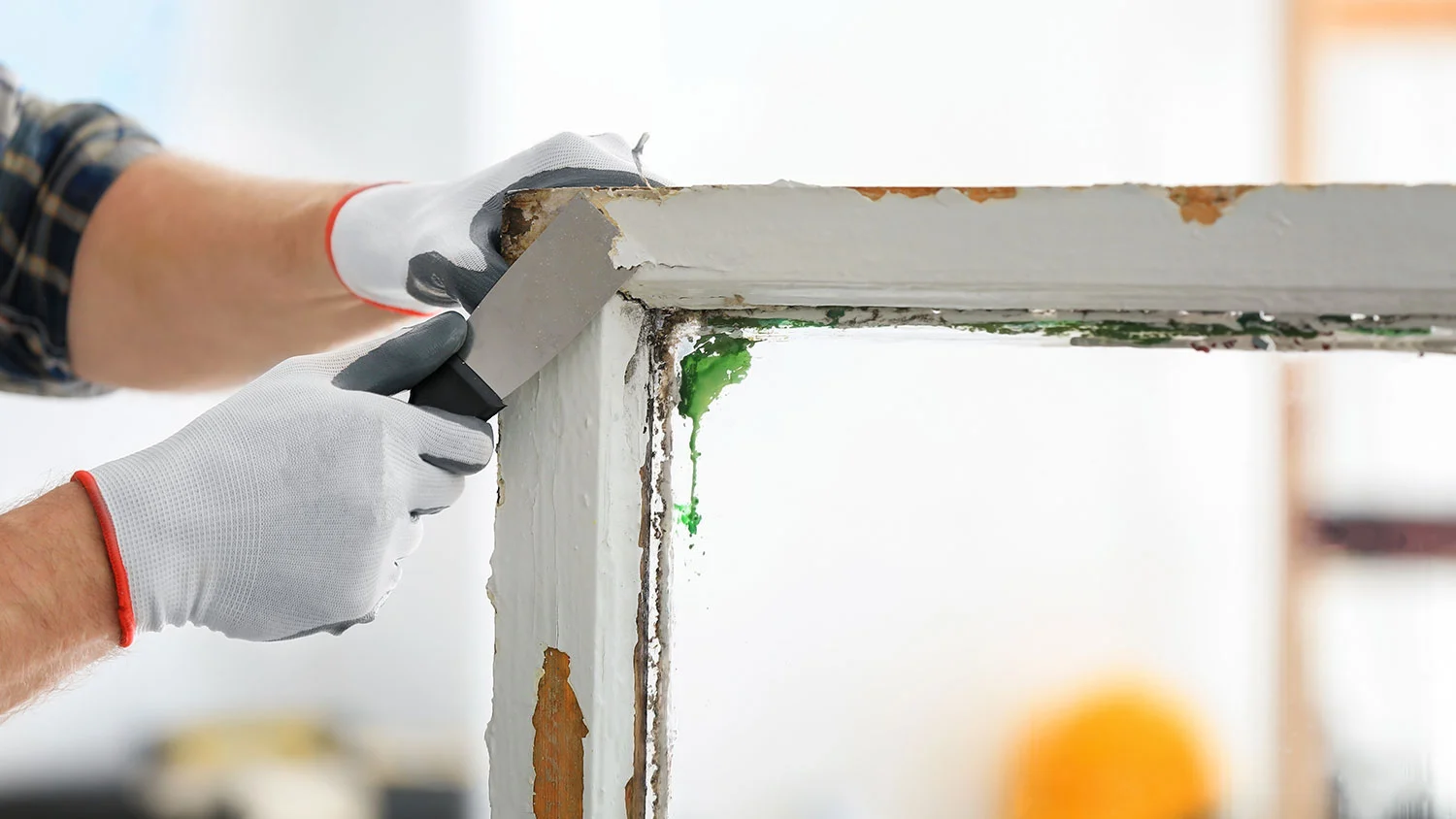
Lead paint was once common in homes built before 1978, but today it poses one of the most serious health risks to families—especially children. If you own an older property in Washington, DC, you may already know that peeling or chipping paint can release toxic lead dust into your living spaces. That’s where professional lead abatement becomes essential.
This guide provides a homeowner-friendly checklist for preparing your DC home for a residential lead abatement service. Whether you’re scheduling an inspection, planning a renovation, or considering a full residential properties lead reduction service in DC, being prepared ensures the work goes smoothly, safely, and effectively.
Why Lead Abatement Matters for DC Homeowners
In DC, many residential neighborhoods feature historic homes that were built long before federal bans on lead paint. That means thousands of families may unknowingly live with hidden hazards in painted surfaces, windows, doors, and even soil.
Health experts warn that even low levels of lead exposure can cause:
- Learning and behavioral issues in children
- Developmental delays
- Nervous system damage
- Long-term health complications in adults
Choosing a trusted residential lead abatement service in DC is not just about compliance—it’s about protecting your family’s health and maintaining the long-term value of your home.
Homeowner Checklist: Preparing for Lead Abatement
1. Confirm the Presence of Lead
Before beginning abatement, you’ll need to confirm whether lead is present in your home. This typically involves:
- Certified inspections: Licensed professionals can test surfaces, paint, dust, and sometimes soil.
- Risk assessments: Evaluations that identify where lead hazards exist and how severe they are.
If your inspector identifies hazards, you’re ready to move forward with a residential properties lead abatement service in DC.
2. Select the Right Contractor
Not every contractor is qualified to handle lead safely. When choosing a provider, look for:
- EPA certification in lead-safe practices
- Experience with residential lead abatement in DC homes
- A clear explanation of methods (paint removal, encapsulation, replacement, etc.)
- Proof of insurance and compliance with DC and federal regulations
Tip: Ask if they also offer residential properties lead reduction services in DC, which can include interim controls like paint stabilization if full abatement isn’t immediately feasible.
3. Plan Your Living Arrangements
Depending on the scope of the project, you may need to vacate the property temporarily. Lead abatement can involve sanding, scraping, or removing materials that release dust. Consider:
- Alternative housing for children, pregnant women, and pets during high-risk phases.
- Restricted access zones within the home if only certain areas are affected.
Your contractor will outline containment procedures, but preparing ahead makes the transition easier.
4. Declutter and Protect Belongings
Before work begins, take time to clear the areas where abatement will occur.
- Remove furniture, rugs, and décor from rooms being treated.
- Cover immovable items with heavy-duty plastic sheeting.
- Seal cabinets, closets, and shelves to prevent lead dust from settling inside.
The more you prepare, the more effective your residential lead abatement service in DC will be.
5. Prepare Children’s Areas First
If your home has children, prioritize spaces where they spend the most time—bedrooms, play areas, and common rooms.
- Move toys and books into sealed containers.
- Remove soft items like stuffed animals that are hard to clean.
- Designate a safe “lead-free” zone away from work areas.
This step ensures safety while contractors carry out your residential properties lead abatement service in DC.
6. Secure Outdoor Spaces
Lead isn’t just inside your walls. Exterior paint and contaminated soil can also expose your family to risk.
- Ask your contractor about soil testing if you live in older DC neighborhoods.
- Keep pets and children away from exterior work areas.
- Trim plants and cover gardens before exterior scraping or painting begins.
If outdoor work is included, it may fall under residential properties lead reduction services in DC, which address both indoor and outdoor hazards.
7. Communicate with Your Contractor
Clear communication keeps the project on track. Before work starts, confirm:
- Which areas will be sealed off
- How dust and debris will be handled
- Daily cleanup procedures
- Final clearance testing to confirm safety
A reputable provider of residential lead abatement in DC should be transparent about every step.
8. Follow Safety Protocols During Work
During abatement:
- Keep entryways to work zones sealed.
- Avoid opening or entering restricted areas.
- Make sure pets and family members stay out of containment zones.
- Check in regularly with your contractor for progress updates.
These precautions reduce your risk of exposure while the residential lead abatement service in DC is underway.
9. Schedule Clearance Testing
After abatement is completed, clearance testing is essential. This process involves:
- Air quality checks for dust particles
- Surface wipe tests to confirm no lead residue remains
- Documentation proving your home meets EPA and DC safety standards
Do not move back into treated areas until your contractor confirms clearance results.
10. Maintain a Lead-Safe Home
Abatement is only the beginning. To keep your home safe long-term:
- Regularly check painted surfaces for chips or wear.
- Clean floors, windowsills, and baseboards with lead-safe methods.
- Avoid dry-sanding or power-washing painted surfaces without professional help.
- Schedule follow-up inspections if your home is older or undergoing renovations.
This ongoing vigilance ensures your residential properties lead abatement service in DC provides lasting protection.
Benefits of Professional Lead Abatement
Working with a certified team in DC doesn’t just make your home safer—it also provides:
- Peace of mind knowing your family is protected from exposure
- Regulatory compliance for landlords and property owners
- Preservation of property value in a city where historic homes are common
- Professional expertise in handling hazardous materials safely
When you choose the right contractor for residential properties lead reduction services in DC, you’re making a long-term investment in health and safety.
Final Thoughts
Lead abatement is one of the most important steps you can take to protect your family and preserve the value of your DC home. By following this checklist—confirming hazards, choosing the right contractor, preparing your space, and committing to safe practices—you’ll ensure a smoother process and safer results.
If you’re ready to take the next step, Rath Enterprises, Inc. offers trusted residential lead abatement services in DC. Our team is fully licensed, EPA-certified, and experienced in helping homeowners eliminate lead hazards with safety and efficiency.
Contact us today to schedule an inspection and get started on making your home lead-free.
