
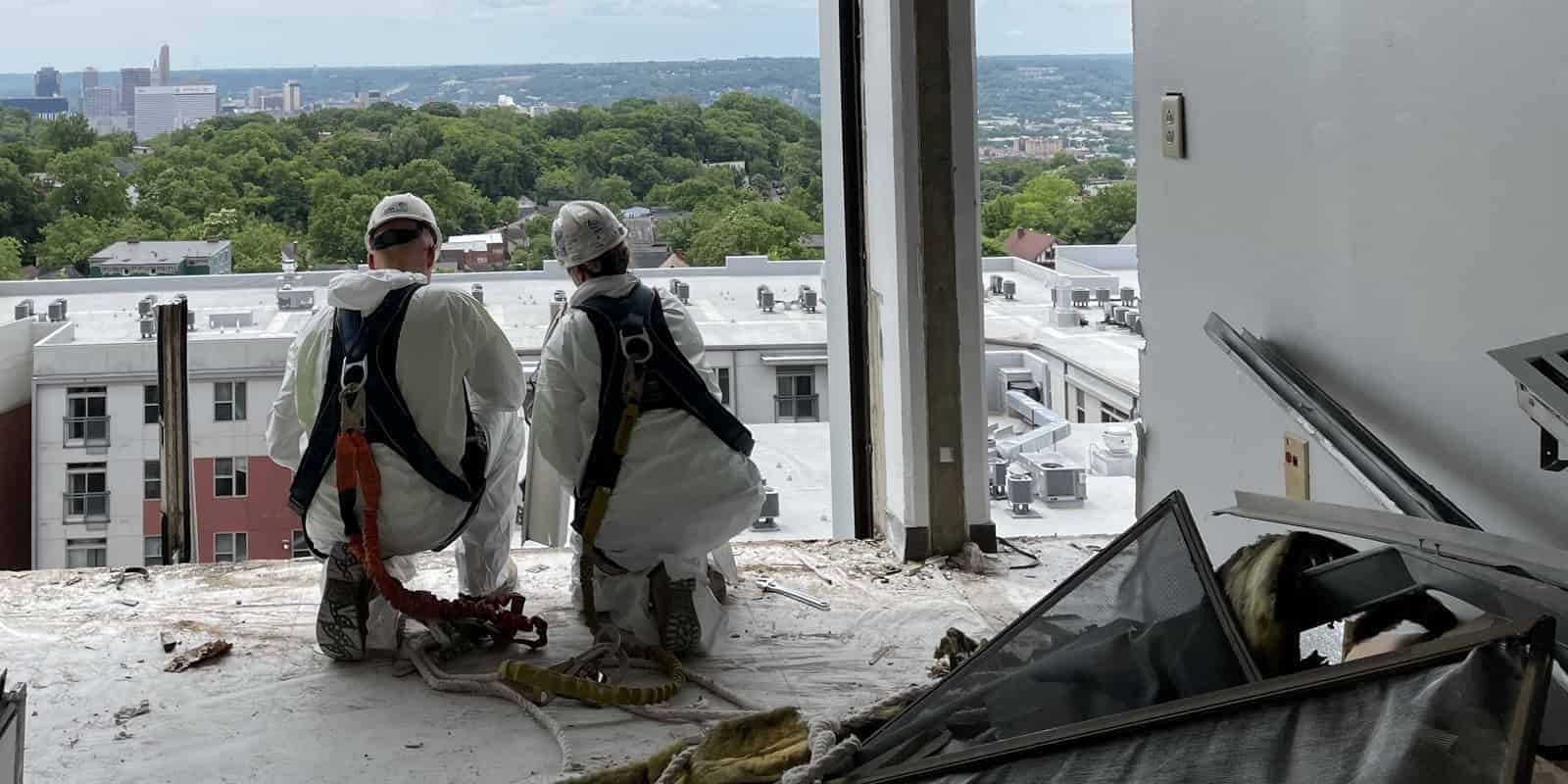
When lead hazards are discovered in a government building, the next decision is critical: who do you hire to fix the problem? Unlike residential projects where homeowners might have some flexibility, government facilities face stricter oversight, higher public scrutiny, and more complex regulatory requirements.
Choosing the wrong contractor can result in incomplete abatement, regulatory violations, cost overruns, and continued health risks. On the other hand, selecting the right lead abatement services for government buildings in Virginia ensures safe removal, full compliance, and protection for everyone who uses the facility.
This guide provides facility managers, procurement officers, and government administrators with a practical framework for evaluating and selecting lead abatement contractors who can deliver the expertise and professionalism government projects demand.
Why Government Projects Require Specialized Expertise
Government building lead abatement isn’t the same as residential or even commercial work. Government facilities present unique challenges:
Higher occupancy: More people potentially exposed to lead hazards
Public accountability: Projects are subject to public records requests and community oversight
Strict regulatory compliance: Federal, state, and local regulations all apply
Operational continuity: Many government buildings cannot fully close during abatement
Budgetary constraints: Public funds require competitive bidding and cost justification
Complex procurement: Government contracting processes involve formal proposals, certifications, and documentation
These factors mean you can’t simply hire the cheapest bidder or the contractor your neighbor used. Government buildings lead abatement Virginia projects require contractors with proven experience in public sector work.
Essential Qualifications and Certifications
The first screening criteria should be licensing and certification. Virginia has specific requirements for lead abatement professionals, and federal regulations add another layer of compliance.
Required Licenses and Certifications
Virginia DPOR Licensing: All lead abatement contractors must be licensed by the Virginia Department of Professional and Occupational Regulation. This ensures they’ve met training requirements and maintain proper insurance.
EPA Lead-Safe Certification: Federal law requires EPA certification for any lead work in pre-1978 buildings. This includes lead inspectors, risk assessors, project designers, and abatement workers.
OSHA Compliance: Contractors must follow OSHA lead standards to protect workers during abatement projects.
Certified Inspectors: Independent, third-party inspectors should conduct clearance testing after abatement to verify safety.
Business Licenses: Verify the contractor holds proper business licenses in Virginia and any localities where they work.
Don’t assume these qualifications are in place—ask for documentation. A reputable contractor will readily provide copies of licenses, certifications, and insurance policies.
Insurance and Bonding
Government projects require substantial insurance coverage:
General liability insurance: Protects against property damage and third-party injuries
Workers’ compensation: Covers employees injured on the job
Environmental liability insurance: Addresses contamination and pollution claims
Performance bonds: Guarantees project completion
Payment bonds: Ensures subcontractors and suppliers are paid
Request certificates of insurance and verify coverage amounts meet government requirements. Many Virginia municipalities require minimum coverage of one million dollars or more.
Experience with Government Facilities
Lead abatement experience is important, but experience specifically with government buildings is essential. Government projects involve:
- Complex security clearances and background checks
- Coordination with multiple departments and stakeholders
- Formal change order processes
- Detailed documentation and reporting requirements
- Public bidding and procurement compliance
Questions to Ask About Experience
How many government building projects have you completed?
Look for contractors with a proven track record in public sector work.
Can you provide references from other Virginia government agencies?
Contact these references to verify performance, professionalism, and reliability.
What types of government facilities have you worked in?
Experience with your specific building type—schools, courthouses, office buildings—is valuable.
How do you handle occupied buildings?
Many government facilities cannot fully close, so ask about strategies for maintaining operations during abatement.
What’s your experience with government procurement processes?
Familiarity with competitive bidding, RFPs, and public contracting saves time and prevents delays.
Contractors like Rath Enterprises, Inc. specialize in environmental remediation for government clients and understand the unique demands of public sector projects.
Technical Capabilities and Safety Protocols
Beyond basic qualifications, evaluate the contractor’s technical approach to lead abatement. Government buildings require sophisticated methods to ensure complete removal without spreading contamination.
Key Technical Considerations
Containment Systems: Does the contractor use proper barriers, negative air pressure machines, and HEPA filtration to prevent lead dust from spreading?
Worker Safety: What protective equipment and training do workers receive? Are all workers certified for lead work?
Work Practices: Does the contractor use wet methods, HEPA vacuuming, and other dust-minimizing techniques required by EPA and OSHA?
Waste Disposal: How does the contractor handle, transport, and dispose of lead waste? Are they using licensed disposal facilities?
Air Monitoring: Does the contractor conduct real-time air monitoring during work to detect contamination?
Clearance Testing: Who performs post-abatement testing, and what standards are used to verify safety?
A professional lead abatement services for government buildings in Virginia provider should clearly explain their technical approach and safety protocols. Vague answers or reluctance to provide details are red flags.
Project Management and Communication
Government projects involve multiple stakeholders—facility managers, building occupants, elected officials, community members, and regulatory agencies. Strong project management and communication are essential.
Communication Standards to Expect
Dedicated project manager: A single point of contact who coordinates all aspects of the project
Regular status updates: Written reports on progress, any issues, and upcoming milestones
Occupant notifications: Clear communication with building users about work schedules, restricted areas, and safety procedures
Regulatory coordination: Direct communication with Virginia DPOR, EPA, and OSHA as needed
Change order procedures: Transparent process for handling scope changes and cost adjustments
Emergency response: Clear protocols for unexpected discoveries or urgent situations
Poor communication leads to misunderstandings, delays, and conflicts. Choose contractors who demonstrate professionalism in their pre-project communications—it’s a good indicator of how they’ll perform during the work.
Pricing and Cost Transparency
Government procurement often focuses heavily on cost, but the lowest bid isn’t always the best value. Lead abatement pricing should be transparent and detailed.
What Should Be Included in a Quote?
Scope of work: Specific areas, materials, and methods to be used
Timeline: Start date, duration, and completion schedule
Labor costs: Number of workers, hours, and rates
Materials and equipment: Containment systems, protective gear, cleaning supplies
Testing costs: Pre-abatement, during-project monitoring, and clearance testing
Disposal fees: Transportation and disposal of lead waste
Project management: Coordination, documentation, and reporting
Contingencies: Allowances for unexpected conditions
Beware of quotes that seem too good to be true—they usually are. Unqualified or unethical contractors may low-ball bids to win contracts, then cut corners on safety or request numerous change orders that inflate final costs.
Cost Factors That Vary
Lead abatement costs depend on many factors:
- Amount of lead-containing material: More material means higher costs
- Accessibility: Hard-to-reach areas increase labor time
- Building occupancy: Working around occupants requires additional precautions
- Disposal distance: Transportation costs vary based on facility location
- Project timeline: Expedited schedules may incur premium pricing
- Building complexity: Historic buildings or specialized facilities require extra care
Professional contractors provide detailed estimates that explain how these factors affect pricing.
Regulatory Compliance and Documentation
Government facilities must demonstrate full compliance with lead regulations. The contractor you choose should provide comprehensive documentation.
Required Documentation
Lead inspection reports: Detailed findings from initial assessments
Abatement plans: Written plans approved by regulatory authorities
Work notifications: Required EPA notifications filed before work begins
Worker certifications: Proof that all workers are properly trained and certified
Air monitoring results: Data from testing during the project
Waste manifests: Documentation of proper waste disposal
Clearance test results: Final verification that areas are safe
Post-project reports: Complete record of work performed
This documentation protects the government agency from liability and demonstrates due diligence. It’s also required for grant funding, insurance claims, and future building transactions.
Schedule Flexibility and Reliability
Government buildings often have unique scheduling requirements. Schools need work completed during summer breaks. Courthouses require weekend work to avoid disrupting proceedings. Office buildings may need phased abatement to maintain operations.
Scheduling Considerations
Can the contractor work during off-hours? Evening or weekend work minimizes disruption
What’s their availability? Some contractors are booked months in advance
Do they have adequate staff? Insufficient crews lead to delays
What’s their track record on deadlines? Check references about on-time completion
How do they handle delays? Weather, unexpected conditions, and supply issues can affect schedules
Reliable contractors build buffer time into schedules and communicate proactively about any potential delays. They don’t over-promise and under-deliver.
Technology and Modern Methods
Lead abatement technology has advanced significantly. Modern contractors use sophisticated equipment and methods that improve safety, efficiency, and results.
Modern Capabilities to Look For
XRF analyzers: Handheld devices that instantly detect lead without collecting samples
HEPA filtration systems: Advanced air scrubbers that capture microscopic lead particles
Negative air machines: Create pressure differentials that prevent contamination spread
Real-time monitoring: Electronic sensors that track airborne lead levels during work
Digital documentation: Tablet-based systems that record progress and findings
Advanced encapsulants: Modern coating materials that permanently seal lead hazards
Contractors who invest in modern equipment and training typically deliver better results than those relying on outdated methods.
Understanding Your Building’s Unique Needs
Every government building is different. The contractor you choose should take time to understand your facility’s specific challenges before proposing solutions.
Building-Specific Factors
Historic designation: Preservation requirements may limit removal methods
Security requirements: Clearances needed for workers in sensitive facilities
Accessibility concerns: ADA compliance during and after abatement
HVAC systems: Integration with existing environmental controls
Building materials: Age and type of construction affects abatement methods
Future renovations: Coordination with other planned upgrades
A professional lead removal for government properties in Virginia provider conducts thorough site assessments and tailors their approach to your building’s needs rather than offering one-size-fits-all solutions.
Red Flags to Avoid
Some warning signs indicate a contractor may not be qualified or trustworthy:
- Cannot provide proof of licensing or insurance
- Refuses to provide references
- Bids that are dramatically lower than other qualified contractors
- Pressure tactics or demands for large upfront payments
- Vague or incomplete proposals
- Claims lead testing isn’t necessary
- Unwilling to put agreements in writing
- No experience with government projects
- Poor communication or unprofessional behavior
Trust your instincts. If something feels wrong, keep looking.
Making the Final Decision
After evaluating multiple contractors, use a structured approach to make your final selection:
- Verify qualifications: Confirm licenses, certifications, and insurance
- Check references: Speak with other government clients about performance
- Compare technical approaches: Evaluate safety protocols and methods
- Assess communication: Consider responsiveness and professionalism
- Review pricing: Balance cost with quality and completeness
- Evaluate capacity: Ensure the contractor has resources to meet your timeline
- Consider experience: Prioritize contractors with government building expertise
For government procurement, document your evaluation process to demonstrate due diligence and fair treatment of all bidders.
Building a Partnership, Not Just Hiring a Contractor
The best government building projects involve true partnerships between facilities teams and contractors. Look for contractors who:
- Provide proactive communication and problem-solving
- Show genuine concern for building occupants’ safety
- Demonstrate flexibility when unexpected issues arise
- Take pride in their work and reputation
- Stand behind their work with warranties and guarantees
These qualities distinguish contractors who simply complete jobs from those who become trusted partners for ongoing facility management.
Conclusion
Choosing the right lead abatement service for Virginia government buildings requires careful evaluation of qualifications, experience, technical capabilities, and professionalism. The stakes are too high—both for public health and regulatory compliance—to make this decision casually.
Look for contractors who specialize in government buildings lead abatement service Virginia, possess all required licenses and insurance, demonstrate proven experience with public sector projects, and communicate transparently throughout the process.
By following the framework outlined in this guide, you can confidently select a contractor who will safely eliminate lead hazards, maintain full regulatory compliance, and protect the people who depend on your government facilities.
Whether you’re managing schools, courthouses, administrative buildings, or other public facilities, partnering with qualified professionals ensures lead abatement is done right the first time—protecting both public health and public trust.
