
Commercial demolition isn’t just about tearing down walls and knocking over concrete. In Washington, DC, where every square foot of property comes at a premium, commercial demolition is the first step toward revitalization, redevelopment, and opportunity. But what actually happens once you hire demolition services for commercial buildings in DC?
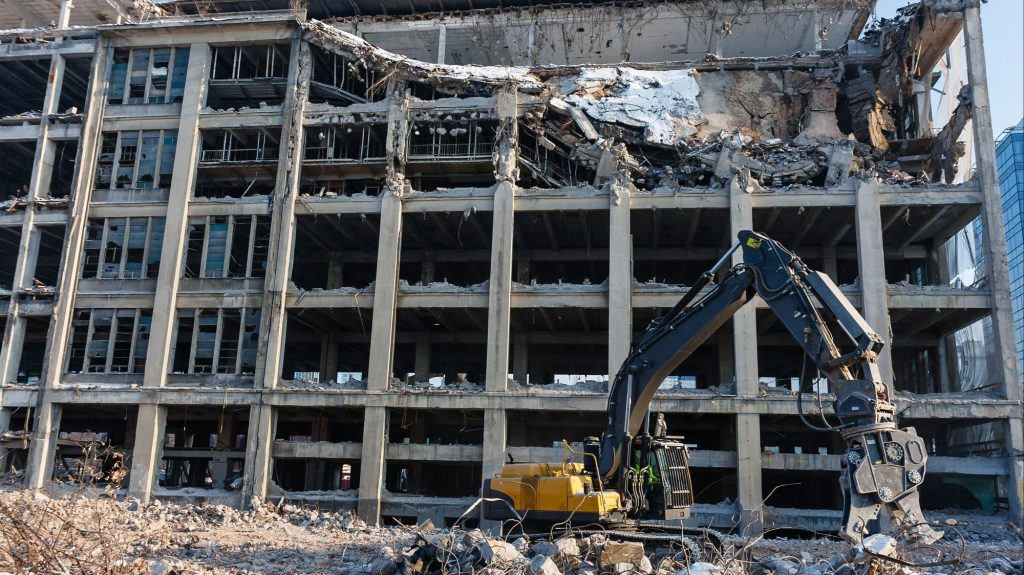
Let’s walk through the process step by step so you know what to expect.
Step 1: The Initial Assessment
Before any equipment hits the site, a demolition contractor starts with an assessment. This isn’t a quick walk-through—it’s a detailed evaluation of the building’s size, age, construction type, and condition.
Why does this matter? Because older commercial properties in DC often contain hazardous materials such as asbestos, lead paint, or PCBs. Identifying these early prevents costly surprises later.
At this stage, contractors will also:
- Inspect structural integrity.
- Review access points for machinery.
- Consider noise and dust control (important in dense DC neighborhoods).
- Map out surrounding utilities and infrastructure.
Think of this as laying the foundation for everything that comes next.
Step 2: Permits and Regulations
If you’re planning demolition in DC, you’ll quickly realize that permitting is no small task. The District has strict building codes, historic preservation laws, and environmental rules. Depending on the property, approvals may be needed from:
- DC Department of Buildings (formerly DCRA).
- DC Department of Energy & Environment.
- Local historic preservation review boards.
Your demolition contractor will typically handle the permitting process, but owners should expect some waiting time. This step ensures the project is legally compliant and avoids delays, fines, or shutdowns later.
Step 3: Hazardous Material Abatement
Once permits are in place, hazardous materials come next. Many commercial buildings in DC were built decades ago, and it’s common to find asbestos in insulation, lead in paint, or mold in hidden spaces.
Specialized crews step in to remove or contain these materials safely. This phase is critical, not just for compliance but for the health of workers and nearby communities. In many ways, this part of the job is more complex than the physical demolition itself.
Step 4: Utility Disconnections
You can’t swing a wrecking ball—or even fire up smaller demolition equipment—until all utilities are shut off. That means disconnecting:
- Water and sewer lines.
- Gas service.
- Electrical power.
- Telecommunications or fiber-optic lines.
Coordinating with utility providers is a behind-the-scenes task that ensures the demolition process is safe from start to finish.
Step 5: Structural Demolition
Now comes the part most people picture: the actual demolition. Depending on the size and type of building, contractors may use:
- Excavators with hydraulic attachments.
- Wrecking balls for large concrete or steel structures.
- Precision equipment for selective takedowns in tight urban spaces.
In DC, where commercial buildings are often surrounded by active businesses or residential properties, precision is key. Contractors often use selective demolition techniques to control dust, vibration, and noise.
This isn’t a Hollywood-style implosion—it’s a carefully orchestrated process designed to minimize disruption.
Step 6: Debris Removal and Recycling
Once the structure is down, the cleanup begins. Demolition generates massive amounts of debris—concrete, steel, wood, glass, and more. In Washington, DC, sustainability is a priority, so contractors typically sort and recycle as much material as possible.
For example:
- Steel and metal are recycled at scrap facilities.
- Concrete is crushed and reused as aggregate for new construction.
- Wood may be repurposed or mulched.
This step isn’t just environmentally responsible—it can also reduce disposal costs.
Step 7: Site Grading and Preparation
Demolition doesn’t end with an empty lot. Once debris is cleared, contractors prepare the site for what comes next. This might include:
- Grading the land to ensure proper drainage.
- Backfilling holes or basements.
- Compacting soil to support future construction.
For property owners, this phase ensures the site is safe, stable, and ready for the next project—whether that’s new construction, parking, or green space.
Step 8: What Happens Next
So, after the demolition dust settles, what happens next for commercial properties in DC? The answer depends on your vision.
Redevelopment
Many property owners clear old commercial buildings to make way for modern mixed-use developments, retail spaces, or offices. In DC’s booming neighborhoods, redevelopment can significantly increase property value.
Interim Use
Some sites become temporary parking lots or staging areas while owners finalize redevelopment plans. Even short-term uses can generate revenue.
Environmental Reclamation
For properties near rivers or in industrial zones, demolition may be part of environmental cleanup projects, paving the way for safer, healthier land use.
Why Hiring Professionals Matters
Commercial demolition in DC is not a DIY project—it’s a highly regulated, multi-step process. Professional demolition contractors bring expertise in:
- Navigating permits and compliance.
- Safely handling hazardous materials.
- Using specialized equipment.
- Coordinating logistics in dense urban environments.
Without the right team, projects risk delays, legal issues, and costly mistakes.
The Bigger Picture: Demolition as Transformation
When people think of demolition, they often imagine destruction. But in reality, demolition services for commercial buildings in DC are about transformation. They’re the starting point for growth, revitalization, and modernization.
By clearing out the old, property owners open the door to new opportunities—whether that’s a cutting-edge office tower, a vibrant retail space, or much-needed housing.
Final Thoughts
Demolition is more than swinging machines and knocking down walls. In Washington, DC, it’s a carefully planned, highly regulated, and strategically executed process that sets the stage for what comes next.
From assessments and permits to hazardous material abatement, debris removal, and site preparation, every step matters. And when done right, commercial demolition isn’t just an ending—it’s the beginning of something new.
If you’re considering a project, work with experienced professionals who understand the unique challenges of DC’s urban environment. The right partner will ensure your project runs smoothly, safely, and with an eye toward the future.
Contact us today to schedule your consultation and move forward with confidence.
