
Lead exposure remains one of the most urgent environmental health threats facing families in Washington, DC. Despite decades of awareness and regulation, many homes and apartment buildings across the city still contain lead-based paint, aging plumbing, or contaminated dust and soil. For parents, landlords, and property owners, the risks aren’t just abstract—they directly affect children’s health and development.
That’s why emergency lead abatement is so critical. When elevated lead levels are found in a home or when children test positive for lead exposure, fast, professional action is the only way to eliminate hazards and safeguard families.
This guide explores the dangers of lead exposure, why immediate action matters, and how residential lead abatement service in DC can help protect the most vulnerable members of our community.
Why Lead Exposure Is So Dangerous for Children
Lead is a toxic heavy metal. Unlike many hazards, it doesn’t break down or become harmless over time. Once inside the body, it can accumulate, especially in bones and tissues. Children are at greatest risk because:
- Developing bodies absorb more lead than adults.
- Young children put their hands and toys in their mouths, increasing ingestion of contaminated dust or paint chips.
- Exposure impacts brain development, causing lasting damage to memory, learning ability, and behavior.
Even small amounts of lead can harm a child. According to the CDC, no safe blood lead level has been identified in children. Symptoms of lead poisoning may include learning delays, hyperactivity, irritability, hearing loss, and slowed growth.
For families in DC—especially in neighborhoods with older housing stock—this is not a distant risk. It’s a present danger.
Where Lead Hazards Still Exist in DC Homes
While lead paint was banned in residential use in 1978, thousands of homes in the District were built before then. Many of these properties still contain lead hazards in:
- Peeling or chipping paint on walls, windows, and doors
- Lead-contaminated dust generated from everyday friction (such as opening and closing windows)
- Soil outside homes near deteriorating paint or old plumbing systems
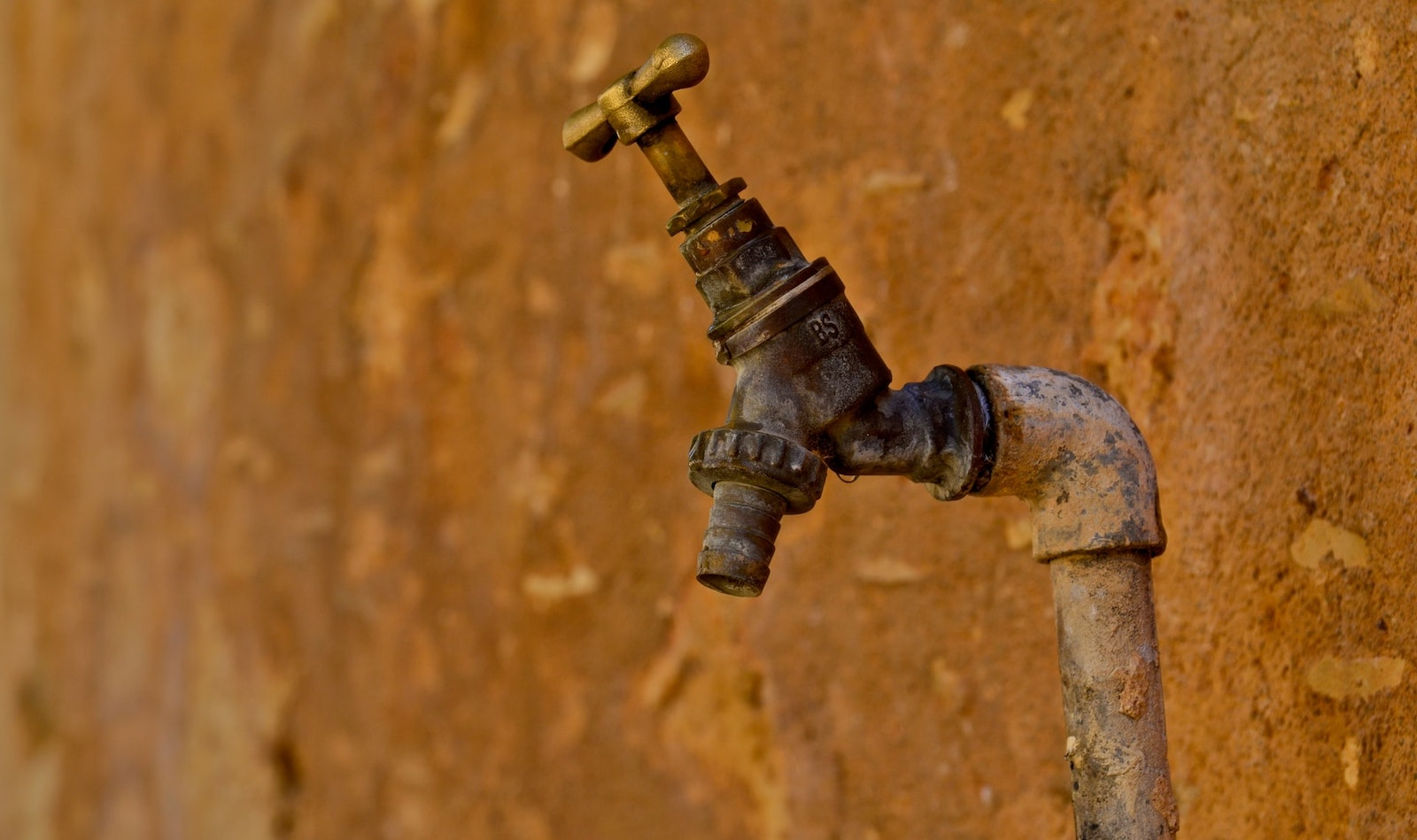
- Water pipes and fixtures that leach lead into drinking water
This means that in many DC neighborhoods—particularly those with historic rowhouses and pre-1978 apartment buildings—families face ongoing risks.
That’s where residential lead abatement in DC becomes essential.
What Is Emergency Lead Abatement?
Emergency lead abatement is the process of quickly identifying and eliminating lead hazards when exposure has already been detected or when a property poses immediate risks. Unlike routine inspections or preventive maintenance, emergency services are designed for urgent situations such as:
- A child testing positive for elevated blood lead levels
- Visible paint deterioration in a child-occupied dwelling
- Renovations disturbing lead-painted surfaces
- Lead-contaminated dust found during inspection
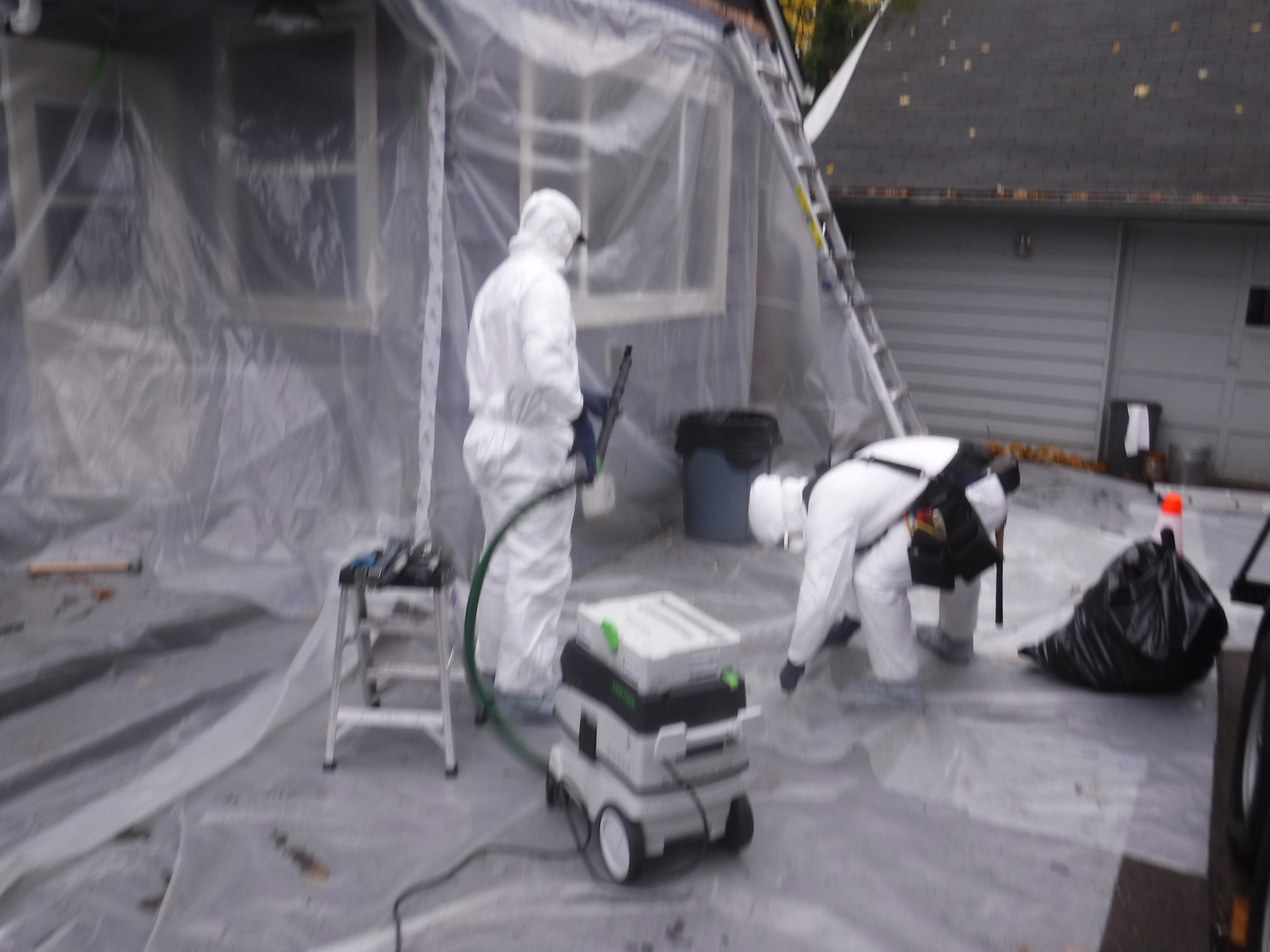
Professional abatement teams move quickly to contain, remove, or encapsulate lead sources, restoring the property to safe living conditions.
Professional vs. DIY: Why Families Should Never Handle Lead Hazards Alone
When faced with peeling paint or a positive lead test, some homeowners may think about scraping, sanding, or painting over affected areas themselves. Unfortunately, these well-intentioned efforts can make things worse.
Improper handling of lead-painted surfaces releases even more toxic dust into the air, spreading contamination throughout the home. That’s why residential properties lead abatement service in DC must be performed by trained, licensed professionals who follow EPA and District regulations.
Certified lead abatement contractors use specialized equipment, containment systems, and disposal protocols to ensure safety. They not only remove hazards but also verify that the home meets clearance standards before reoccupancy.
Steps in the Emergency Lead Abatement Process
Every situation is unique, but most emergency abatement projects in DC follow a structured process:
- Assessment and Risk Identification
Licensed inspectors test paint, dust, soil, and sometimes water to pinpoint lead hazards. - Containment
Work areas are sealed off with protective barriers to prevent contamination of unaffected spaces. - Abatement Methods
- Paint Removal or Replacement: Stripping, chemical removal, or replacing affected components.
- Encapsulation: Applying specialized coatings to seal intact but hazardous surfaces.
- Component Removal: Replacing windows, doors, or trim that contain lead-based paint.
- Dust and Soil Cleanup: Using HEPA-filtered vacuums and approved cleaning agents.
- Waste Disposal
All contaminated materials are properly bagged, labeled, and transported to approved disposal facilities. - Clearance Testing
Independent testing ensures the property is free of hazardous lead dust before families reenter.
By following these steps, a residential properties lead reduction service in DC provides peace of mind and measurable safety improvements.
Why DC Families Need to Act Quickly
In the case of lead, time equals risk. Every day a child spends in a contaminated home increases the chance of long-term health impacts.
Delaying professional abatement can also create financial risks for landlords and property owners, as DC has strict lead regulations for rental units and childcare facilities. Non-compliance may result in fines, lawsuits, or mandatory relocation of tenants.
Families should think of emergency lead abatement as both a health safeguard and a legal protection.
Choosing the Right Residential Lead Abatement Service in DC
Not all contractors are equal. When selecting a provider, DC families and property owners should look for:
- EPA and DC licensing for lead abatement contractors
- Experience with residential properties, especially older housing stock
- Cross-trained teams familiar with other hazards (asbestos, mold) that may be present
- Strong safety record and references from previous clients
- Clear communication about timelines, costs, and methods
Working with a trusted company like Rath Enterprises, Inc. ensures the job is done safely, efficiently, and in full compliance with regulations.
The Role of Education and Prevention
While emergency services address immediate hazards, long-term prevention is equally important. Families should:
- Schedule regular inspections for older homes and apartments.
- Test children’s blood lead levels during routine medical visits.
- Keep painted surfaces in good repair to prevent deterioration.
- Practice lead-safe cleaning habits, such as wet-wiping window sills and vacuuming with HEPA filters.
These preventive steps, combined with access to professional abatement, create a safer environment for children to grow and thrive.
Conclusion
Lead poisoning is entirely preventable—but only with swift and informed action. For DC families living in older homes, the threat is real and immediate. Emergency lead abatement provides a critical solution, ensuring that children are protected from irreversible harm.
By choosing a licensed and experienced residential lead abatement service in DC, parents and property owners can take control of the situation. Rath Enterprises, Inc. stands ready to deliver professional, cost-effective, and compliant solutions tailored to the needs of DC’s residential communities.
Your children deserve a safe home. Don’t wait until it’s too late—schedule a consultation today with a trusted residential properties lead abatement service in DC.
