
If you own or manage a commercial property in Washington, DC, the words “asbestos abatement” can sound intimidating—and for good reason. Asbestos is a hazardous material once widely used in insulation, flooring, ceilings, and other building components. When disturbed, it releases microscopic fibers that can pose serious health risks.
The good news? With the right approach and a qualified team, commercial asbestos abatement in DC can be handled safely, efficiently, and in compliance with all regulations. This guide walks you through what asbestos abatement means, why it’s so important, and how to manage it effectively in your commercial property.
Why Asbestos Is a Serious Concern
Asbestos was prized for its fire resistance, strength, and insulation properties. It appeared in everything from pipe wrap to ceiling tiles until the late 20th century. But today, it’s classified as a dangerous material.
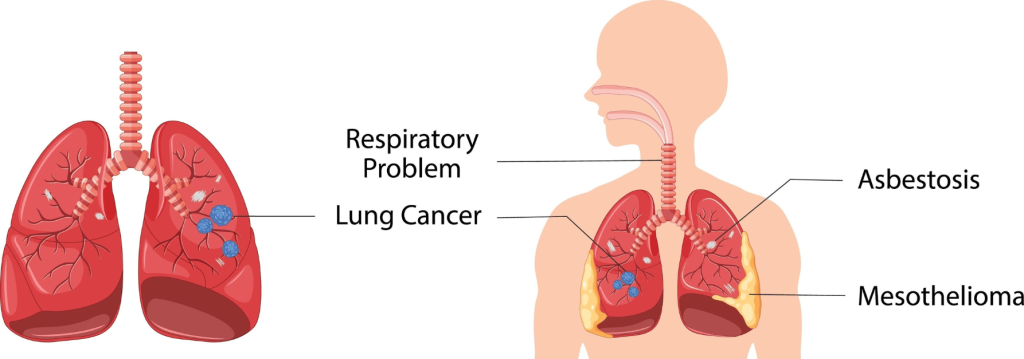
When asbestos-containing materials (ACMs) are intact and undisturbed, they may not pose an immediate risk. The danger comes when they’re cut, drilled, broken, or deteriorating—releasing fibers into the air that can cause:
- Asbestosis: A chronic lung disease caused by inhaling asbestos fibers.
- Mesothelioma: A rare and aggressive cancer linked directly to asbestos exposure.
- Lung Cancer and Other Illnesses: Long-term exposure increases serious health risks.
For commercial property owners, ignoring asbestos is not just a health hazard—it’s a liability. That’s why professional commercial asbestos abatement DC services are essential.
Step 1: Identify Potential Asbestos
The first step in safe asbestos management is knowing whether it’s present. Because asbestos was used in so many building products, it can hide in surprising places:
- Pipe and boiler insulation
- Floor tiles and adhesives
- Ceiling panels and spray-on fireproofing
- Roofing materials
- Drywall and joint compounds
Professional Inspection Matters
You can’t confirm asbestos with the naked eye. Certified inspectors take samples and send them to accredited labs for analysis. In DC, regulations require licensed professionals to perform this work.
Step 2: Develop an Abatement Plan
Once asbestos has been identified, the next step is developing a safe and strategic plan. Not all asbestos requires immediate removal—sometimes, encapsulation (sealing materials in place) may be the best option.
A solid abatement plan should include:
- Assessment of risks based on the location and condition of ACMs.
- Choice of abatement method (removal, encapsulation, or enclosure).
- Timeline for completing the work.
- Budget considerations to manage costs effectively.
- Compliance steps for local, state, and federal regulations.
Working with a team experienced in commercial asbestos abatement in DC ensures your plan is realistic, compliant, and safe.
Step 3: Secure Permits and Follow Regulations
Asbestos abatement is tightly regulated, and DC has specific rules that property owners must follow. These include:
- Notification requirements: Agencies like the DC Department of Energy and Environment (DOEE) often need advance notice before abatement work begins.
- Federal standards: The Environmental Protection Agency (EPA) and Occupational Safety and Health Administration (OSHA) have strict regulations on asbestos handling.
- Waste disposal protocols: Asbestos waste must be properly packaged, labeled, and disposed of at approved facilities.
Failure to comply can result in steep fines and legal issues. Partnering with licensed professionals avoids these headaches.
Step 4: Set Up a Safe Work Environment
Before abatement begins, the site must be prepared to ensure worker safety and prevent contamination of surrounding areas. This involves:
- Sealing off work areas with plastic sheeting and negative air pressure systems.
- Using protective gear like respirators and disposable suits for workers.
- Establishing decontamination zones to prevent fibers from spreading outside the site.
- Air monitoring systems to track fiber levels throughout the process.
These steps may seem extreme, but they’re critical for safety. They also reassure employees, tenants, or customers that the property owner is prioritizing health.
Step 5: Perform the Abatement
The actual abatement process depends on the chosen method:
- Encapsulation: Applying a sealant to asbestos materials so fibers cannot escape.
- Enclosure: Building airtight barriers around ACMs to isolate them.
- Removal: Safely extracting asbestos materials from the property.
Removal is the most permanent solution but also the most complex. It’s often chosen in commercial properties undergoing major renovations or demolitions.
During this step, strict handling and disposal protocols must be followed. That’s why hiring specialists in commercial asbestos abatement DC is non-negotiable.
Step 6: Post-Abatement Verification
Once the abatement is complete, the site must undergo thorough testing to ensure it’s safe. This includes:
- Visual inspections for remaining debris.
- Air clearance testing to confirm fiber levels meet safety standards.
- Final documentation to prove compliance with all regulations.
Only after these steps are complete can the space be safely reoccupied or construction continue.
The Cost Factor
One of the biggest concerns property owners have is cost. The price of commercial asbestos abatement in DC varies widely based on:
- The size of the property.
- The amount and type of asbestos found.
- The complexity of the removal process.
- Required permits and disposal fees.
While abatement may feel like a large upfront expense, it protects against far greater costs—lawsuits, regulatory fines, project delays, and health risks. In the long run, safe abatement is an investment in your property’s value and your reputation as a responsible owner.
Why You Shouldn’t DIY Asbestos Removal
Some property owners are tempted to save money by handling asbestos themselves. This is both dangerous and illegal in most commercial contexts. Without the right equipment and certification, you risk:
- Severe health consequences.
- Spreading contamination throughout the building.
- Heavy penalties for non-compliance.
Trusting licensed experts in commercial asbestos abatement DC is the only safe and legal way forward.
Choosing the Right Abatement Partner in DC
Not all contractors are created equal. When selecting a company, look for:
- Licensing and certifications specific to asbestos work in DC.
- Experience with commercial properties, not just residential projects.
- Strong safety track record with documented procedures.
- Transparent pricing and planning.
- Positive client testimonials from other DC property owners.
A qualified partner not only performs the work safely but also helps you navigate regulations and minimize downtime for your property.
Final Thoughts
Managing asbestos in a commercial property isn’t something to take lightly. It requires knowledge, planning, and strict adherence to safety regulations. From identifying asbestos to final clearance testing, every step must be handled with care.
By working with specialists in commercial asbestos abatement in DC, property owners can protect their tenants, employees, and investments while staying compliant with local and federal laws.
Safe abatement isn’t just a legal requirement—it’s a commitment to the health of everyone who steps inside your building.
