
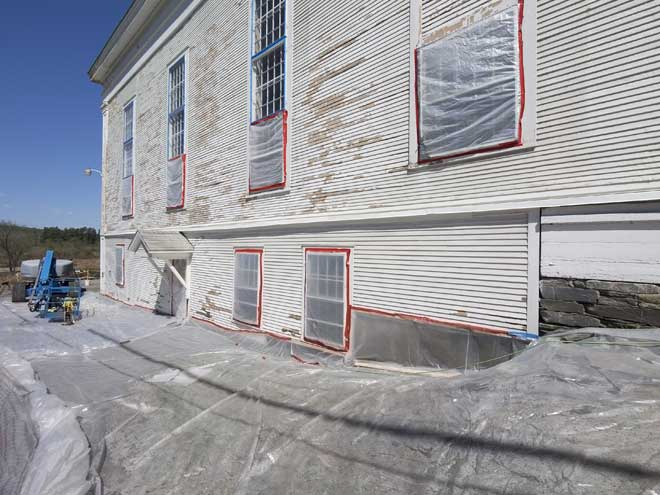
Lead-based paint is an often-overlooked hazard in older homes across Washington, DC. For families living in properties built before 1978—the year lead paint was officially banned—the risk of exposure remains real. Flaking paint, renovation projects, or even everyday wear and tear can release harmful lead dust into the air, putting children, pregnant women, and even pets at risk.
When it comes to addressing this issue, two main strategies exist: lead abatement and lead encapsulation. Both serve the goal of reducing exposure, but they are very different in process, cost, and long-term effectiveness. Homeowners weighing their options for a residential lead abatement service in DC need to understand how these solutions compare and which one is right for their property.
Understanding the Lead Problem in DC Homes
Washington, DC has a large stock of historic homes, rowhouses, and multifamily buildings that were constructed well before the lead paint ban. Many of these properties still contain layers of lead paint beneath newer coats. The danger arises when that paint deteriorates or is disturbed during repairs, sanding, or demolition.
According to the CDC, there is no safe level of lead exposure for children. Even low levels can lead to developmental delays, behavioral problems, and long-term health complications. For adults, exposure may contribute to hypertension, kidney issues, and reproductive health concerns.
This is why residential properties lead reduction service in DC is not just about home improvement—it’s about protecting health and ensuring compliance with local and federal safety standards.
What Is Lead Abatement?
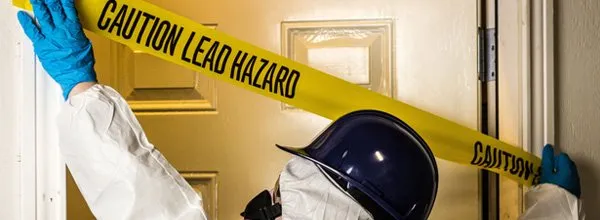
Lead abatement is the process of permanently eliminating lead-based paint hazards from a property. This involves specialized removal methods that are conducted by trained and certified contractors. In DC, regulations are strict, requiring professionals to follow EPA and DC Department of Energy & Environment (DOEE) guidelines.
Common methods of lead abatement include:
- Paint removal: Stripping lead-based paint from surfaces using approved techniques.
- Component replacement: Removing and replacing doors, windows, trim, or other building parts coated with lead paint.
- Encapsulation (as part of abatement): Using specialized coatings to seal lead surfaces when removal isn’t feasible.
- Soil remediation: Addressing contaminated soil around a property.
The result is a long-term solution that greatly reduces or eliminates the risk of lead exposure. While often more expensive upfront, lead abatement offers peace of mind and compliance assurance.
When searching for residential lead abatement DC, homeowners should ensure they hire licensed professionals who can properly assess and execute a safe and compliant abatement project.
What Is Lead Encapsulation?

Encapsulation is often considered a less invasive and more cost-effective alternative to full abatement. Instead of removing the lead-based paint, contractors apply a specialized, liquid-applied coating that seals the hazardous material beneath.
Encapsulation is effective in situations where:
- The lead paint is intact and not flaking.
- The underlying surface is stable and can support the coating.
- The property owner wants a short-to-medium-term solution rather than full removal.
While encapsulation can be an excellent option in certain cases, it is not always permanent. If the coating gets damaged due to moisture, impact, or improper application, the hazard can resurface. That’s why encapsulation is often viewed as an interim control rather than a permanent solution.
Lead Abatement vs Encapsulation: Key Differences
Here’s a side-by-side comparison to help DC homeowners understand their options:
| Factor | Lead Abatement | Lead Encapsulation |
|---|---|---|
| Permanence | Permanent removal of lead hazards | Temporary (coating may degrade over time) |
| Cost | Higher upfront | Lower upfront |
| Scope | Involves removal, replacement, or remediation | Sealing over existing surfaces |
| Best For | Homes with deteriorating paint, families with children, resale prep | Intact surfaces, short-term risk management |
| Regulatory Compliance | Meets full EPA/DOEE standards for permanent control | Acceptable under certain conditions, but may require future abatement |
For families seeking a residential properties lead abatement service in DC, the decision often depends on budget, the condition of the home, and long-term safety goals.
Choosing the Right Solution for Your DC Home
When deciding between lead abatement and encapsulation, consider the following factors:
1. Condition of the Paint
- If the paint is peeling, chipping, or cracking, encapsulation may not work effectively. Abatement is the safer choice.
2. Occupants of the Home
- Families with young children or pregnant women should prioritize permanent solutions like abatement, given the higher health risks.
3. Budget & Timeline
- Encapsulation is more budget-friendly in the short term, but repeated reapplications may add up over time. Abatement, though costlier, is a one-time investment.
4. Future Plans for the Property
- If you plan to sell or renovate your DC home, buyers and contractors may prefer the assurance of a full residential properties lead reduction service in DC.
5. Regulatory Requirements
- Some projects, especially in rental properties or federally funded housing, may mandate abatement rather than encapsulation.
The Role of Professional Services in DC
Attempting to manage lead hazards without professional help is dangerous and often illegal. Certified contractors follow strict containment and disposal practices to protect both residents and workers.
When you hire a residential lead abatement service in DC, you can expect:
- A detailed inspection and risk assessment.
- Safe containment of work areas to prevent dust spread.
- Use of EPA-approved methods and materials.
- Proper disposal of contaminated debris.
- Documentation for compliance and future resale purposes.
Why Rath Enterprises, Inc. Is a Trusted Choice
In a city like DC, where older housing stock is common, homeowners need a contractor who understands both the technical and regulatory aspects of lead safety. Rath Enterprises, Inc. provides comprehensive residential properties lead abatement services in DC, including risk assessment, safe removal, and remediation tailored to each property.
Our team is trained, licensed, and experienced in handling both abatement and encapsulation. Whether you need a permanent solution for your family home or a cost-effective encapsulation strategy for a rental property, we help you choose the right approach.
Final Thoughts
Lead hazards are a serious concern for many DC homeowners. While encapsulation may provide a temporary fix, lead abatement remains the gold standard for long-term safety and compliance.
By working with a trusted provider of residential properties lead reduction service in DC, you can protect your family’s health, preserve your property’s value, and ensure your home is safe for years to come.
If you’re unsure whether your home needs lead abatement or encapsulation, Rath Enterprises, Inc. can help. Contact us today for a professional inspection and consultation on the best residential lead abatement service in DC for your home.
