
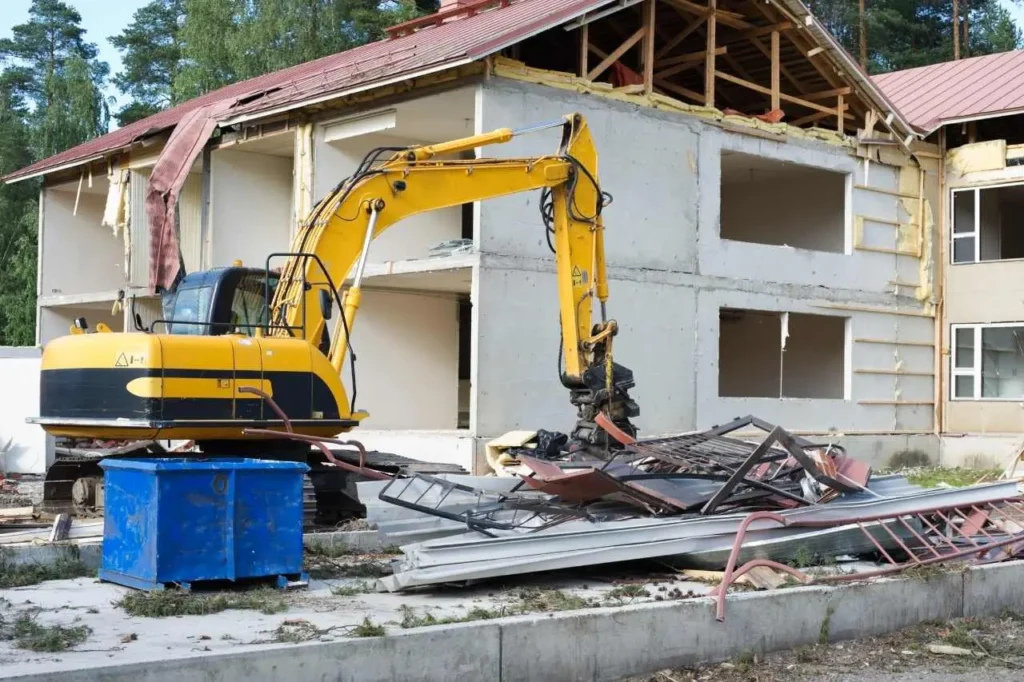
Demolition might sound like swinging a wrecking ball and reducing a building to rubble, but in reality, it’s a strategic, highly regulated process. For homeowners in Washington, DC, choosing between a partial demolition and a complete demolition can feel overwhelming. Each option serves a different purpose, comes with unique costs, and requires careful planning.
If you’re searching for a residential demolition service in DC, understanding the difference between these two approaches will help you make the best choice for your home, budget, and future project goals.
What Is Partial Demolition?
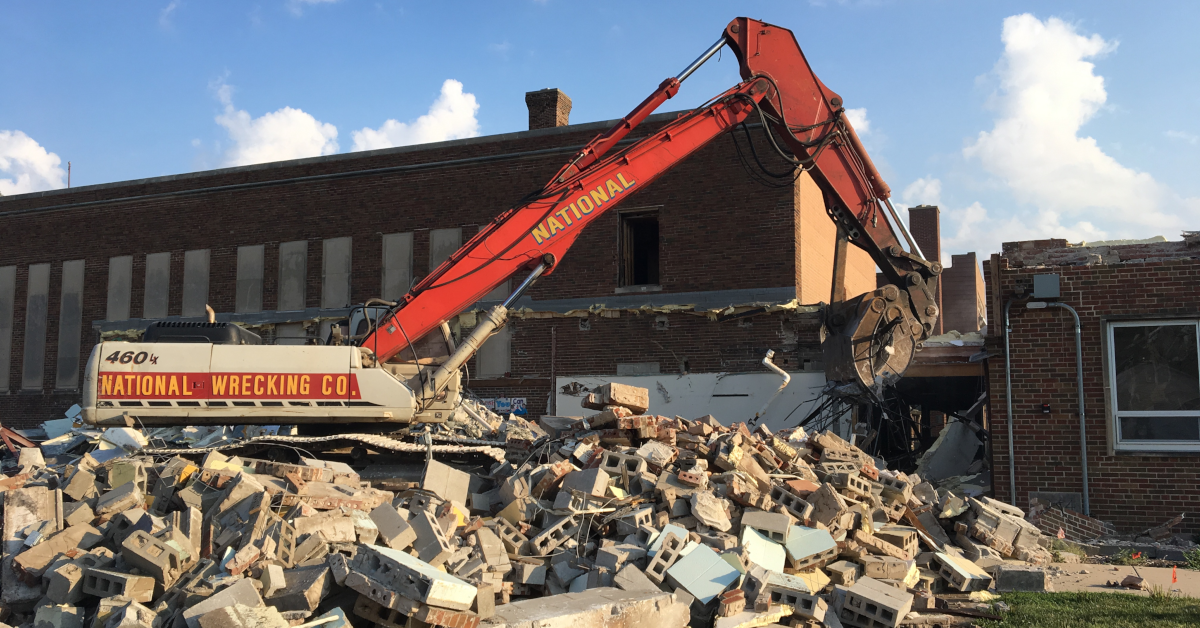
Partial demolition, sometimes called selective demolition, involves removing specific parts of a structure while leaving the rest intact. This option is ideal when you want to preserve the foundation or certain areas of the home.
Common scenarios for partial demolition in DC include:
- Home renovations – Knocking down walls to create open floor plans or expanding kitchen and living spaces.
- Additions – Removing a section of the roof or side wall to make space for a new level, garage, or sunroom.
- Structural repair – Eliminating damaged sections after fire, water, or termite damage without tearing down the entire property.
- Historic property upgrades – Preserving key architectural features while modernizing other areas.
Partial demolition is less invasive, usually faster, and often more affordable than tearing down the whole house. It’s the choice for homeowners who want to improve, not erase, their current home.
What Is Complete Demolition?
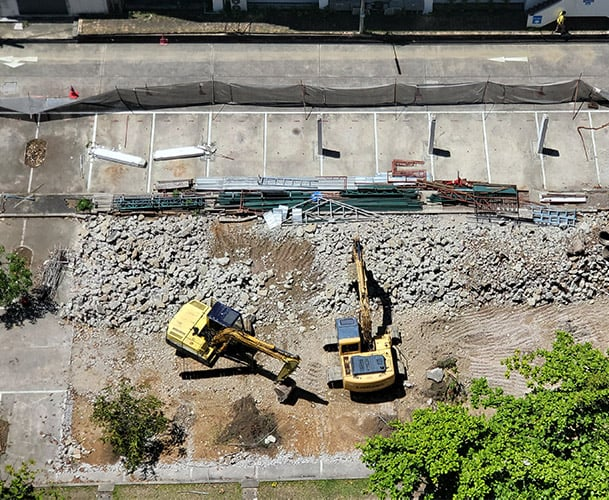
Complete demolition is the total removal of a structure, from roof to foundation. This is the right option when a house is no longer safe, functional, or financially practical to repair.
A demolition service for residential homes in DC often recommends complete demolition in cases like:
- Severe structural issues – When the foundation is unstable or walls are beyond repair.
- Extensive environmental hazards – Such as widespread asbestos, lead paint, or mold infestations.
- Major redevelopment – Clearing the lot for new construction, whether it’s a larger home or a multi-unit property.
- Cost efficiency – Sometimes, building a new home costs less than repairing an old one.
Complete demolition allows for a clean slate, giving homeowners and developers total freedom in designing what comes next.
Key Differences Between Partial and Complete Demolition
When considering residential demolition services in Washington, DC, it’s important to weigh these distinctions:
| Factor | Partial Demolition | Complete Demolition |
|---|---|---|
| Scope | Specific sections only | Entire home, foundation included |
| Cost | Generally lower | Higher overall expense |
| Timeline | Shorter | Longer, due to permits and debris removal |
| Permits | Often still required | Always required, stricter review |
| Waste Removal | Less debris | Large-scale debris handling |
| Best For | Renovations, additions | Total rebuild, unsafe homes |
Factors to Consider Before Choosing
Not sure which option fits your situation? Here are the top considerations to discuss with a residential homes demolition service in DC:
1. Budget
Partial demolition is usually more affordable, but if your home requires extensive repairs afterward, a full demolition might actually save money long-term.
2. Future Plans
Do you plan to remodel or rebuild? If you’re only updating parts of your house, partial demolition works. But if you’re aiming for a completely new design, complete demolition may be best.
3. Condition of the Structure
A professional inspection can reveal whether your home’s foundation, framing, or roof is stable enough to keep. If not, a full teardown is safer.
4. Regulations in Washington, DC
DC has strict building and demolition codes. Historic properties in particular may require special approval before work begins. An experienced contractor can guide you through permitting.
5. Environmental Hazards
If your property contains asbestos, lead paint, or mold, demolition must be handled carefully to meet environmental safety laws. Licensed contractors in DC are trained to perform abatement alongside demolition.
The Demolition Process in DC
Whether you’re planning a partial remodel or a complete teardown, a professional residential demolition service in DC follows a structured process to ensure safety, compliance, and efficiency. Here’s what homeowners can expect:
1. Initial Assessment
Every project begins with a thorough evaluation of the property. The demolition team inspects the home’s structure, identifies potential challenges, and discusses your goals. For partial demolitions, they determine which areas can be safely removed without affecting the rest of the home. For complete demolitions, they assess site access, surrounding properties, and environmental considerations. This step sets the foundation for a clear project plan.
2. Permitting & Approvals
DC has strict requirements when it comes to residential demolitions. Contractors must secure the proper permits from the DC Department of Consumer and Regulatory Affairs (DCRA) and ensure that zoning rules are followed. An experienced company knows how to navigate the paperwork quickly, preventing costly delays. Attempting demolition without the proper approvals can result in fines or even legal action, which is why permitting is a critical part of the process.
3. Utility Disconnection
Before any demolition work begins, all utilities must be safely disconnected. This includes water, electricity, and natural gas lines. Leaving utilities active poses a major safety hazard to workers and neighboring homes. Licensed contractors coordinate with utility providers to schedule proper shut-offs, ensuring a safe work environment and preventing accidental damage.
4. Hazard Removal
Many older homes in DC contain asbestos, lead-based paint, or hidden mold. These materials are dangerous when disturbed and require specialized abatement. A professional residential demolition service in DC includes certified crews trained to remove or contain hazards safely. This step not only protects workers but also safeguards homeowners and the surrounding community from exposure.
5. Demolition Work
Once the site is secure and cleared of hazards, the actual demolition begins. Depending on the project, contractors may use hand tools for selective demolition or heavy equipment for full tear-downs. Experienced crews balance efficiency with precision, ensuring that only the intended structures are removed. In row homes or tightly packed neighborhoods, this precision is especially important to avoid damaging adjacent properties.
6. Debris Removal & Recycling
Demolition produces significant debris, from wood and drywall to concrete and metal. A reputable contractor doesn’t just haul it away—they separate recyclable materials and dispose of waste according to DC’s environmental regulations. Salvaging usable materials not only reduces disposal costs but also supports sustainability by keeping waste out of landfills.
7. Site Preparation
After demolition, the property is graded, leveled, or otherwise prepared for the next phase of construction. For homeowners planning renovations, this means the site is clean, safe, and ready for contractors to begin work. For full demolitions, it ensures the lot is properly cleared for new building plans.
Why Hire Professionals?
DIY demolition might look like a cost-saving shortcut, but in Washington, DC, it’s rarely legal—or safe—without licensed experts. Residential demolition involves more than swinging a hammer. From hidden hazards inside walls to strict city regulations, one mistake can lead to serious injuries, costly fines, or even long-term damage to your property. That’s why working with professional residential demolition services in Washington, DC is the smarter, safer choice.
Here’s what the pros bring to the table:
1. Full Compliance with Local Codes and Environmental Laws
DC has some of the strictest building and environmental regulations in the country. A licensed residential demolition service in DC understands the permitting process, zoning requirements, and safety rules that DIYers often overlook. Professionals take care of the paperwork, inspections, and approvals, ensuring your project moves forward without costly legal complications or delays.
2. Safe Handling of Hazardous Materials
Older homes in DC often contain asbestos, lead-based paint, or hidden mold. These materials can be dangerous if disturbed without proper training and equipment. Certified demolition contractors are trained to safely remove and dispose of hazardous substances, protecting you, your family, and your neighbors from potential health risks.
3. Efficiency with the Right Equipment
Demolition requires more than a sledgehammer. From excavators to specialized saws, professional crews have the tools to work quickly and precisely. This efficiency not only keeps your project on schedule but also reduces unnecessary labor costs. For homeowners looking to stay on budget, working with experienced providers of residential homes demolition service in DC ensures maximum value for every dollar spent.
4. Reduced Risk of Property Damage or Injury
DC’s dense neighborhoods make precision demolition essential. One wrong move during DIY demolition could damage shared walls, crack a neighbor’s foundation, or compromise your own home’s structure. Professional crews follow safety protocols to minimize risks, protecting both your property and the surrounding community.
5. Responsible Waste Management and Recycling
Demolition creates tons of debris, from drywall and wood to concrete and metal. Simply tossing everything into a dumpster isn’t just wasteful—it may also violate disposal laws. Professional demolition companies sort materials for recycling and ensure hazardous waste is disposed of responsibly, reducing your environmental footprint while keeping the project compliant.
Choosing the Right Demolition Contractor in DC
Selecting the right partner for your project can make or break your experience with a residential homes demolition service in DC. The contractor you hire isn’t just handling machinery—they’re safeguarding your property, your budget, and your peace of mind. Here are the key things to look for:
Licensing and Insurance
Always ask for proof of licensing and insurance. In Washington, DC, demolition work requires compliance with city regulations, building codes, and safety standards. Licensed contractors have been vetted for competence and professionalism, while insurance protects you from liability in case of accidents or property damage. Without these, you could face unexpected legal or financial risks.
Experience
Not all demolition jobs are the same. A contractor with years of experience, especially with projects similar to your home’s size, age, and structure, brings valuable expertise. For example, older DC row homes often present unique challenges such as shared walls or hazardous materials. An experienced provider of residential demolition service in DC will anticipate these complications and solve them before they become costly delays.
Safety Record
Demolition comes with inherent risks, from falling debris to exposure to asbestos or lead paint. A company’s safety record speaks volumes about its professionalism. Ask about their OSHA compliance, worker training, and safety protocols. A contractor with a clean record demonstrates a genuine commitment to protecting workers, neighbors, and your property.
Transparent Pricing
Demolition costs can escalate quickly if your contractor isn’t upfront. Look for clear, detailed estimates that outline what’s included: permits, labor, equipment, disposal fees, and hazardous material removal if needed. A trustworthy provider of demolition service for residential homes in DC won’t surprise you with hidden charges halfway through the project.
Client Reviews
The best measure of a contractor’s reliability is feedback from past clients. Read testimonials, check online reviews, and, if possible, request references. Positive reviews from other Washington, DC homeowners provide reassurance that the company delivers quality work, communicates clearly, and respects deadlines.
Conclusion
Deciding between partial and complete demolition comes down to your home’s condition, your project goals, and your budget. If you’re renovating or adding to your house, partial demolition may be the answer. If your property is unsafe, outdated, or due for a fresh start, complete demolition makes more sense.
Whichever path you choose, working with a trusted residential demolition service in DC ensures the job is done safely, legally, and efficiently. With the right team, you’ll move from demolition to construction with confidence, ready to create the home you’ve envisioned.
