
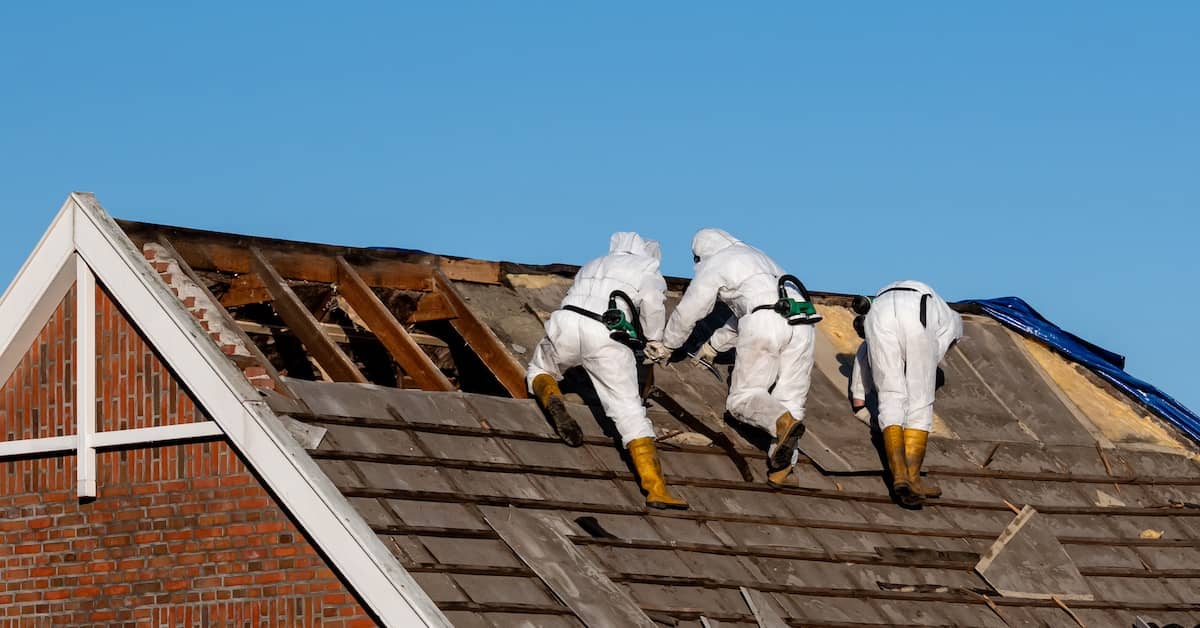
If your Virginia home was recently treated for asbestos, congratulations—you’ve taken a critical step toward creating a safer living space. Asbestos was once used widely in insulation, flooring, roofing, and textured wall materials. But over time, we’ve learned how hazardous asbestos exposure can be, especially in residential environments. That’s why residential asbestos abatement Virginia homeowners can rely on is such an important investment.
Once asbestos has been safely removed, many homeowners are eager to move forward with their renovation projects. But the transition from remediation to remodeling requires some planning. Below, we’ll walk you through the key steps for preparing your Virginia home for renovation after asbestos removal.
Why Proper Preparation Matters
Post-remediation, your home isn’t just free from asbestos—it’s essentially a blank canvas. But that doesn’t mean you can dive straight into new floors, walls, or fixtures. The removal process can leave your home in a “construction zone” state. Proper preparation ensures that:
- Your home is safe for workers and your family. Even after asbestos removal, fine dust, debris, or leftover construction materials may still be present.
- Your renovation timeline stays on track. Skipping preparation steps can lead to costly delays later.
- Your investment is protected. Renovating on a properly cleaned and stabilized foundation ensures durability and compliance with building standards.
This is where hiring a residential asbestos removal service Virginia homeowners trust makes a big difference. A professional team doesn’t just handle the abatement—they leave your home ready for its next chapter.
Step 1: Verify Clearance Testing
The first step after asbestos removal is confirming that your home has passed clearance testing. Clearance testing involves air monitoring and surface sampling to make sure asbestos fibers are no longer present.
In Virginia, reputable providers of residential asbestos abatement services will arrange this testing through third-party inspectors. Never start a renovation project until you have written clearance documentation. This protects you legally and provides peace of mind that your home is truly asbestos-free.
Step 2: Deep Clean and Stabilize
Even if the asbestos fibers are gone, removal often leaves behind dust, adhesives, or compromised building materials. Before you start remodeling:
- Hire a professional cleaning service. They’ll use HEPA vacuums and specialized techniques to remove lingering fine particles.
- Stabilize exposed areas. If wall studs, subfloors, or ceilings were impacted, make sure they are structurally sound before adding new finishes.
- Address moisture issues. Mold and asbestos often go hand in hand. Use this time to repair leaks, improve ventilation, and treat any damp areas.
This preparation phase is essential to ensure your renovation investment lasts for years to come.
Step 3: Reevaluate Your Renovation Plan
Once asbestos is out of the picture, you may find that your renovation scope has changed. For example:
- Maybe asbestos was removed from vinyl flooring—now is the perfect chance to install hardwood or tile.
- If asbestos insulation was taken out, you’ll likely need to update your energy efficiency strategy.
- Some older homes in Virginia also contain lead paint or mold, which could be addressed before moving forward.
Work with your contractor to revisit your original plans in light of what asbestos removal revealed. This flexibility will help you make the most of the opportunity.
Step 4: Choose Licensed Contractors
Not all contractors are equipped to work in homes that have recently undergone asbestos abatement. For safety and compliance:
- Hire licensed renovation contractors familiar with post-abatement projects.
- Ask whether they’ve worked in homes where residential asbestos removal Virginia projects were recently completed.
- Verify that they follow OSHA and EPA guidelines for handling older building materials.
A trusted contractor will coordinate smoothly with your asbestos abatement provider, ensuring your renovation stays on schedule.
Step 5: Protect Indoor Air Quality During Renovation
Renovation often stirs up dust and particles. While asbestos may no longer be a concern, maintaining healthy air is still essential:
- Use negative air machines or HEPA filtration during construction.
- Seal off renovation zones to protect clean areas of the house.
- Change HVAC filters regularly and consider duct cleaning post-renovation.
Since asbestos exposure is such a major health issue, most Virginia homeowners who invest in residential asbestos abatement services want to maintain a healthier indoor environment moving forward.
Step 6: Plan for Waste Disposal
Asbestos-containing materials have already been safely removed, but renovation generates its own waste. In Virginia, construction and demolition debris must be disposed of according to local regulations.
- Ask your renovation contractor how they handle waste removal.
- Confirm that none of the new materials being removed (like old flooring or ceiling tiles) contain hidden hazards.
- Keep records of asbestos disposal and clearance testing for your property file.
Proper waste management keeps your renovation eco-friendly and compliant with state guidelines.
Step 7: Embrace Safer, Modern Materials
Now that asbestos is behind you, take advantage of this opportunity to modernize your home with healthier building materials. Consider:
- Low-VOC paints and finishes to protect indoor air quality.
- Eco-friendly insulation options such as cellulose or spray foam.
- Durable flooring like hardwood, tile, or engineered products instead of materials that once contained asbestos.
This ensures your Virginia home remains both safe and comfortable for decades.
Why Work With Professionals in Virginia?
Some homeowners wonder if asbestos removal and renovation prep can be a DIY job. The short answer: it shouldn’t be. Handling asbestos requires specialized training, licensing, and disposal protocols. That’s why choosing a residential asbestos removal service Virginia families trust is so important.
Professionals don’t just eliminate asbestos; they help guide you through the next steps—ensuring your home is clean, safe, and ready for transformation.
Final Thoughts
Renovating a home after asbestos removal isn’t just about new finishes—it’s about creating a safe, modern, and healthy living space. By verifying clearance testing, deep cleaning, stabilizing structures, and working with licensed contractors, you can transition smoothly from abatement to renovation.
If you’re planning a remodel, partner with an experienced residential asbestos abatement service Virginia homeowners recommend. That way, you’ll know your home is not only free of asbestos but also fully prepared for the exciting improvements ahead.
