
Asbestos is one of those hidden dangers most homeowners in Virginia never think about—until it becomes an urgent issue. For decades, asbestos was used in insulation, floor tiles, roofing materials, and countless building products. Today, we know it’s a serious health hazard. When disturbed, asbestos fibers can become airborne and, once inhaled, lead to diseases like asbestosis, lung cancer, and mesothelioma.
That’s why residential asbestos abatement in Virginia isn’t just another home improvement project—it’s a critical safety measure. Families deserve peace of mind that the air inside their home is safe to breathe. This article explores the advanced safety protocols professionals use to protect Virginia families during asbestos removal, highlighting why trained specialists and strict procedures are essential.
Why Asbestos Removal in Homes Is So Risky
Older homes across Virginia—especially those built before the 1980s—often contain asbestos in:
- Insulation around pipes and boilers
- Vinyl floor tiles and adhesives
- Ceiling and wall panels
- Roofing shingles and siding
- Popcorn ceilings
The problem isn’t the material itself if it’s intact and undisturbed. The risk begins when remodeling, water damage, or aging causes these materials to break down. DIY removal is extremely dangerous because even a small crack or improper handling can release thousands of microscopic fibers into the air.
This is why residential asbestos removal in Virginia must be handled by certified contractors who follow strict protocols designed to safeguard homeowners, neighbors, and workers.
Core Principles of Safe Asbestos Removal
Professional asbestos contractors in Virginia use a multi-step system designed to contain, remove, and dispose of asbestos safely. The most important safety principles include:
1. Thorough Site Inspection and Risk Assessment
Before any removal begins, licensed inspectors assess the property to identify asbestos-containing materials (ACMs). Samples may be taken to a lab for confirmation. This step ensures that the removal plan targets only hazardous areas, reducing unnecessary disturbance.
2. Regulatory Compliance
Contractors must comply with EPA, OSHA, and Virginia Department of Professional and Occupational Regulation (DPOR) guidelines. Adhering to these laws ensures that every step—from containment to disposal—is legally sound and safe.
3. Containment and Negative Air Pressure Systems
Work areas are sealed off with heavy-duty plastic sheeting and specialized tape. Negative air pressure machines equipped with HEPA filters ensure no fibers escape into the rest of the home. This is critical in protecting families who may still be occupying other parts of the house.
4. Protective Gear for Workers
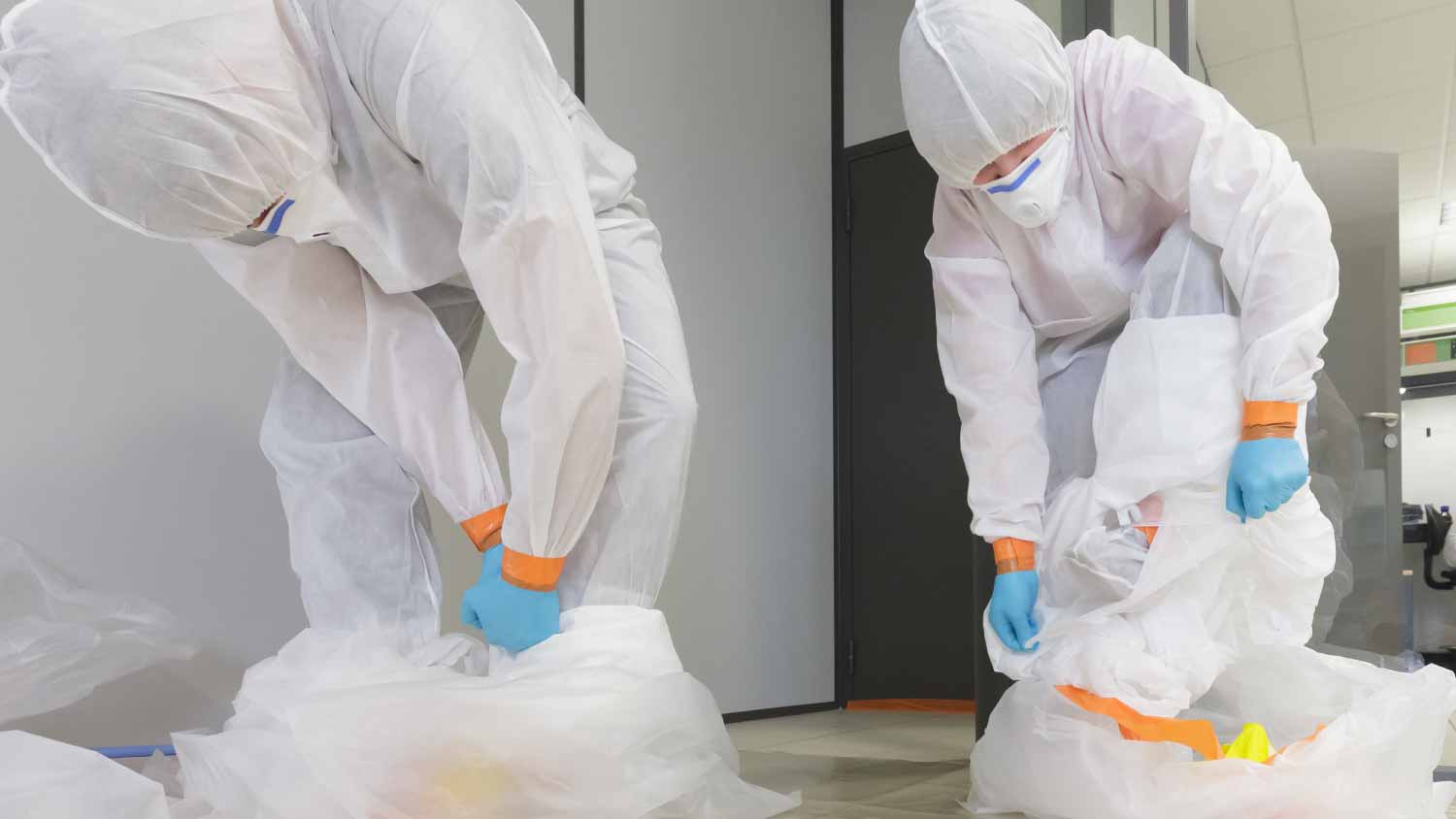
Crews wear full-body suits, gloves, and respirators designed to filter out asbestos fibers. Strict decontamination protocols prevent fibers from leaving the work zone on clothing or tools.
5. Wet Removal Techniques
To minimize airborne particles, materials are wetted before removal. This simple but effective method prevents fibers from becoming airborne during handling.
6. HEPA Vacuuming and Air Scrubbing
Specialized HEPA vacuums clean up dust and debris, while continuous air scrubbing reduces airborne fibers. Standard household vacuums and fans cannot safely capture asbestos fibers.
7. Safe Waste Handling and Disposal
Asbestos waste is double-bagged in leak-proof containers, labeled according to federal law, and transported to licensed disposal facilities. Improper dumping is not only illegal but also dangerous to communities.
Advanced Safety Protocols That Go Beyond the Basics
In Virginia, leading contractors offering residential asbestos removal services are raising the bar with advanced safety measures:
- Real-Time Air Monitoring: Continuous monitoring during the project ensures air quality remains safe in adjacent areas of the home.
- Post-Removal Clearance Testing: Independent inspectors conduct air quality tests after removal. Homeowners receive written proof that the property is safe before re-entry.
- Cross-Trained Crews: Many contractors now train their teams in both asbestos abatement and selective demolition. This dual expertise minimizes errors, prevents costly delays, and keeps projects on schedule without compromising safety.
- Encapsulation Options: In certain cases where full removal isn’t necessary, contractors apply sealants to “lock in” asbestos fibers, reducing risk without demolition.
These advanced approaches help Virginia families not just meet compliance requirements but also gain peace of mind.
Why Families Should Never Attempt DIY Asbestos Removal
With YouTube tutorials and DIY culture, some homeowners may be tempted to handle asbestos themselves. This is extremely dangerous. Without professional-grade containment, respirators, and disposal methods, a DIY attempt can contaminate an entire household.
The financial savings are not worth the long-term health costs. Professional residential asbestos abatement services in Virginia are an investment in family health and property value.
Choosing the Right Residential Asbestos Removal Service in Virginia
Not all contractors are equal. Families should look for:
- Licensing and Certification: Verify that the company is licensed in Virginia for asbestos abatement.
- Experience: Choose firms with proven experience in residential projects (not just commercial).
- References and Testimonials: Ask for homeowner references to confirm trustworthiness and professionalism.
- Transparency in Pricing: A reputable company provides clear, upfront estimates without hidden fees.
- Safety Record: Look for contractors with strong safety records and documented compliance with state and federal standards.
By hiring the right team, families can ensure asbestos is handled correctly the first time, avoiding risks of incomplete removal or cross-contamination.
The Bigger Picture: Protecting Communities, Not Just Homes
Safe asbestos removal isn’t just about the family inside the home—it’s about protecting neighbors, schools, and the wider community. Improper handling can spread fibers beyond a single property, endangering more people.
That’s why strict adherence to advanced safety protocols is more than just regulation—it’s a responsibility to protect public health across Virginia.
Final Thoughts
Asbestos is silent but deadly if mishandled. For Virginia homeowners, trusting professionals for residential asbestos abatement services is the only safe path. From advanced containment systems to clearance testing, the right safety protocols ensure families can breathe easily in their own homes.
If your house was built before 1980, or you suspect asbestos-containing materials, don’t take chances. Contact a licensed residential asbestos removal service in Virginia that prioritizes safety, compliance, and family protection.
Your family’s health is worth more than a quick fix—choose certified professionals who follow the most advanced safety protocols in the industry.
