
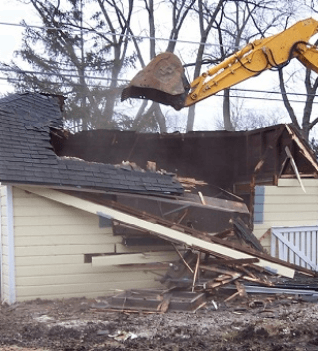
Demolishing a home in Washington, DC, is not a simple project you can launch overnight. Whether you’re preparing for a complete rebuild, clearing unsafe structures, or opening space for new development, a residential demolition service in DC requires careful planning, regulatory compliance, and a systematic process from start to finish.
Homeowners often underestimate how long demolition takes, assuming it’s just a matter of tearing down walls. In reality, the timeline involves multiple steps—permits, inspections, environmental testing, site preparation, and safe execution. Knowing what to expect helps you stay on schedule, avoid costly delays, and ensure the process runs smoothly.
Below, we break down the residential demolition timeline in Washington, DC—from initial planning through final site clearance.
Step 1: Initial Planning and Assessment (1–2 Weeks)
Every demolition service for residential homes in DC begins with a thorough site assessment. This stage sets the tone for the entire project. Contractors evaluate the structure, identify potential hazards, and determine the best demolition method—whether mechanical, manual, or selective dismantling.
Key tasks at this stage include:
- Property Inspection: Reviewing the condition of the home, utilities, and nearby structures.
- Hazardous Materials Testing: Washington, DC, regulations require asbestos, lead paint, and mold inspections before demolition.
- Budget and Timeline Estimates: The contractor outlines projected costs, schedules, and resource needs.
This early phase is also when homeowners should compare bids and ensure they’re hiring a licensed, insured provider specializing in residential demolition services in Washington, DC.
Step 2: Securing Permits and Approvals (2–6 Weeks)
Permits are often the most time-consuming part of the process in DC. The Department of Buildings (DOB) and Department of Energy & Environment (DOEE) require extensive documentation before approving demolition.
Typical requirements include:
- Demolition Permit Application
- Utility Disconnect Approvals (gas, water, electricity, and sewer)
- Historic Preservation Clearance (for homes in designated historic districts)
- Environmental Review Reports (for asbestos, lead, or hazardous materials)
This stage can take as little as two weeks or as long as six, depending on the property’s location and complexity. Experienced contractors help streamline the paperwork and coordinate with local agencies, reducing delays.
Step 3: Utility Disconnections and Hazard Abatement (1–3 Weeks)
Before a single wall comes down, the home must be disconnected from all utility services. This includes shutting off:
- Gas lines
- Electrical service
- Water and sewer connections
- Telecommunications
If inspections reveal asbestos, lead-based paint, or mold, specialized abatement teams must remove or encapsulate these hazards. Because of strict health and safety regulations, this step is non-negotiable and must be completed before demolition begins.
A professional residential homes demolition service in DC will have licensed teams trained in asbestos and lead abatement, ensuring compliance and safety.
Step 4: Site Preparation and Safety Planning (3–5 Days)
Once the site is cleared of utilities and hazards, contractors prepare the area for demolition. This includes:
- Installing protective fencing and barriers
- Erecting signage to alert neighbors and pedestrians
- Arranging heavy equipment access routes
- Developing a dust and debris control plan
In dense DC neighborhoods, site preparation is critical for minimizing disruption. Crews must follow strict regulations to reduce noise, vibration, and dust that could affect surrounding homes and businesses.
Step 5: Demolition Execution (3–7 Days)
The demolition phase is where most people imagine the “action” happens—bulldozers, excavators, and controlled dismantling. Depending on the size of the house and the chosen method, this step can be completed in a matter of days.
Two main approaches are common:
- Mechanical Demolition: Using excavators and heavy equipment to tear down structures quickly and efficiently.
- Selective Demolition: Carefully dismantling parts of a home to preserve materials for reuse or to protect nearby structures.
Even though the process looks straightforward, it requires precision. A skilled demolition service for residential homes in DC ensures the building comes down safely without damaging neighboring properties.
Step 6: Debris Removal and Recycling (1–2 Weeks)
After the structure is brought down, the site is cleared of rubble, wood, concrete, and hazardous waste. DC requires responsible waste disposal and recycling wherever possible.
Common recycling efforts include:
- Salvaging bricks, lumber, and metal
- Crushing concrete for reuse as aggregate
- Properly disposing of hazardous debris (asbestos, lead-based materials)
Efficient waste management is one of the biggest factors in staying on schedule. Contractors with in-house hauling capabilities typically complete this stage faster than those relying on third-party services.
Step 7: Final Site Grading and Inspection (3–7 Days)
The final step involves grading and leveling the site for its next use—whether rebuilding, landscaping, or converting the lot into open space. Contractors may backfill the area with soil and compact it to prepare for future construction.
The city will typically conduct a final inspection to verify that demolition work meets safety and environmental standards. Once approved, the homeowner officially closes the demolition permit.
Average Timeline for Residential Demolition in DC
While each project is unique, here’s a general breakdown of how long a residential demolition service in DC may take:
- Planning & Assessment: 1–2 weeks
- Permits & Approvals: 2–6 weeks
- Utility Disconnections & Abatement: 1–3 weeks
- Site Preparation: 3–5 days
- Demolition Execution: 3–7 days
- Debris Removal: 1–2 weeks
- Final Grading & Inspection: 3–7 days
Total Estimated Timeline: 6–12 Weeks
Factors That Can Delay Demolition
Even with careful planning, delays can occur. Common causes include:
- Slow permit processing by local agencies
- Discovery of unexpected hazardous materials
- Bad weather that halts equipment operation
- Limited access in tight urban neighborhoods
- Utility companies taking longer than expected to disconnect services
Working with an experienced contractor reduces these risks. A provider specializing in residential demolition services in Washington, DC knows how to anticipate challenges and keep the project on track.
Why Choose a Professional Residential Demolition Service?
Home demolition is not a DIY project. Attempting to manage it yourself can lead to safety hazards, fines, and costly mistakes. Hiring a professional residential homes demolition service in DC ensures:
- Full compliance with DC regulations
- Safe handling of hazardous materials
- Efficient use of equipment and labor
- Minimized disruption to surrounding properties
- Faster permit approvals through established contractor relationships
The right contractor doesn’t just demolish a structure—they manage the entire process from planning to completion, giving homeowners peace of mind.
Final Thoughts
Demolishing a home in Washington, DC, is a structured, multi-phase process that takes anywhere from six weeks to three months depending on complexity. Understanding the residential demolition timeline—from planning and permits to site clearance—helps you make informed decisions and stay on schedule.
For homeowners and developers alike, choosing a trusted provider of residential demolition services in Washington, DC is the key to success. With expertise in hazardous material removal, regulatory compliance, and efficient project management, Rath Enterprises, Inc. delivers safe, reliable, and cost-effective results for every demolition project.
Contact Rath Enterprises today to learn how our residential demolition service in DC can help you move from planning to completion with confidence.
