
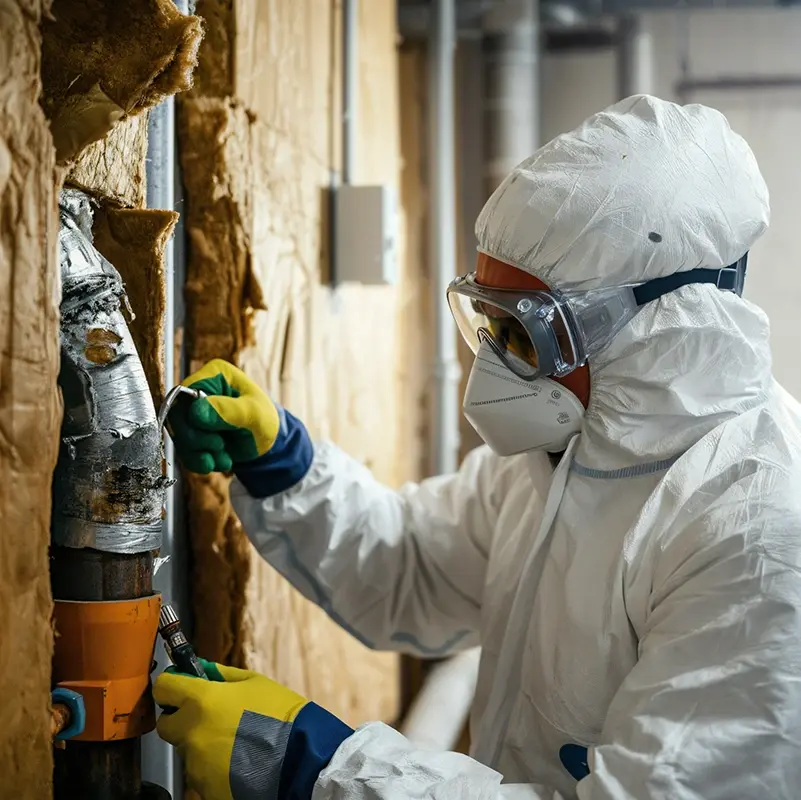
Walk into any Virginia government building constructed before 1978, and you’re likely stepping into a structure containing lead. From city halls to schools, courthouses to administrative offices, lead-based materials were construction standards for decades.
The challenge isn’t simply that lead exists—it’s understanding where it hides and when it becomes dangerous. For facility managers and government administrators, recognizing lead hazards is the first step toward protecting employees and the public.
This guide explores the specific types of lead hazards commonly found in Virginia’s government buildings and why professional government buildings lead abatement Virginia is essential for addressing them.
Why Government Buildings Are High-Risk
Government facilities often combine several risk factors:
- Age: Many were built during peak lead-paint usage (1940s-1970s)
- High Traffic: Constant use accelerates wear and deterioration
- Deferred Maintenance: Budget constraints can delay necessary repairs
- Complex Systems: Multiple building materials and components may contain lead
- Historic Status: Preservation requirements complicate updates
These factors make government buildings lead abatement service Virginia particularly complex compared to residential projects.
Lead-Based Paint: The Most Common Hazard
Paint containing lead was used extensively until federal restrictions began in 1978. In government buildings, it appears virtually everywhere.
Common locations:
- Interior walls and ceilings throughout all rooms
- Exterior surfaces including trim, doors, and window frames
- Stairwells and railings
- Radiators and heating pipes
- Door jambs and frames
- Built-in cabinets and shelving
The danger isn’t the intact paint—it’s when paint deteriorates through age, friction, moisture, or impact. High-traffic areas like hallways and doorways are particularly vulnerable.
Warning signs of lead paint hazards:
- Peeling, chipping, or flaking paint
- Paint dust on windowsills or floors
- Friction areas where doors and windows rub
- Impact damage from furniture or equipment
- Water damage causing paint failure
- Renovation or repair work disturbing painted surfaces
Even small amounts of deteriorating lead paint generate dust containing dangerous lead levels.
Window Components
Windows in older government buildings are lead hazard hotspots.
Lead risks in windows:
- Window frames: Multiple layers of lead paint applied over decades
- Sashes: Opening and closing creates friction that generates lead dust
- Sills: Paint deteriorates from sun exposure and condensation
- Putty: Older glazing compounds often contained lead
- Weights and chains: Some window mechanisms used lead components
Windows in frequently used offices generate continuous low-level lead dust exposure. Conference rooms, administrative offices, and public waiting areas with older windows require particular attention.
Plumbing Systems
Lead plumbing components pose serious risks, especially in buildings with original infrastructure.
Lead plumbing hazards include:
- Lead pipes: Service lines and interior distribution pipes
- Lead solder: Used to join copper pipes before 1986
- Brass fixtures: Older faucets and valves may contain significant lead
- Lead traps: Drain components in restrooms and kitchens
Water standing in lead pipes overnight dissolves lead into drinking water. Morning water samples from government buildings often show elevated lead levels that drop after flushing.
Restrooms, break rooms, and drinking fountains in older buildings may all contribute to lead exposure through water.
Exterior Siding and Trim
Many Virginia government buildings feature historic exteriors with decades of lead-based paint.
Exterior lead hazards:
- Clapboard siding: Painted wood siding deteriorates from weather exposure
- Trim and moldings: Decorative elements often have thick paint layers
- Columns and porticos: Architectural features on historic buildings
- Fire escapes: Metal structures with industrial lead coatings
- Gutters and downspouts: Painted metal components
Exterior lead paint creates risks during renovation but also generates contaminated soil near buildings. Landscaping work or playground areas near painted exteriors can disturb lead-contaminated soil.
Flooring Materials
Various flooring types in government buildings may contain lead.
Lead flooring hazards:
- Vinyl floor tiles: 1950s-1980s tiles often contained lead
- Sheet vinyl: Backing materials may contain lead
- Adhesives: Mastic used to install flooring frequently contained lead
- Paint on wood floors: Many government buildings have painted concrete or wooden floors
Replacing old flooring or repairing damaged tiles can release lead dust. Even routine floor cleaning in areas with deteriorating tiles creates exposure risks.
HVAC Systems and Ductwork
Heating and cooling systems distribute air throughout buildings—and can spread lead dust if contaminated.
HVAC-related lead hazards:
- Painted duct exteriors: Lead paint on visible ductwork
- Boiler pipe insulation: Older systems may combine asbestos and lead hazards
- Painted radiators: Multiple layers of lead paint on heating units
- Return air vents: Accumulate lead dust from throughout the building
When lead dust enters HVAC systems, it circulates to every connected space, multiplying exposure risks.
Structural Components
Building bones themselves often contain lead hazards.
Structural lead sources:
- Steel beams: Lead-based protective coatings
- Concrete: Some additives contained lead compounds
- Roof structures: Lead flashing and painted metal components
- Elevator shafts: Industrial coatings on metal surfaces
Structural work, roof repairs, or elevator maintenance can disturb these materials unexpectedly.
Soil Contamination
Lead accumulates in soil around government buildings through decades of:
- Exterior paint deterioration and removal
- Water runoff carrying lead particles
- Demolition of structures with lead materials
- Historic industrial processes near the site
High-risk soil areas:
- Building perimeters, especially under eaves
- Areas near painted exterior surfaces
- Former construction or demolition sites
- Landscaped areas around old buildings
- Children’s play areas near older structures
Soil lead hazards are often overlooked but create risks during landscaping, utility work, or building expansions.
Historic Building Materials
Virginia’s historic government buildings may contain specialized lead-bearing materials:
- Decorative elements: Lead-based ornamental features
- Stained glass: Lead came holding glass panels
- Roofing materials: Lead sheets or lead-coated copper
- Transom windows: Lead glass in historic entryways
These materials require specialized handling during renovation or restoration.
Hidden Lead Hazards
Some lead sources are easy to miss:
- Behind newer finishes: Lead paint covered by paneling or drywall
- In attics and crawlspaces: Original painted surfaces never updated
- Utility chases: Painted surfaces in mechanical spaces
- Storage areas: Forgotten painted furniture or equipment
Renovation projects often uncover these hidden hazards unexpectedly.
When Lead Hazards Become Dangerous
Intact lead materials aren’t immediately hazardous. Danger increases when:
- Deterioration occurs: Age, moisture, or wear breaks down materials
- Friction creates dust: Windows, doors, and high-traffic areas
- Renovation begins: Any work disturbing lead materials releases particles
- Maintenance activities: Sanding, scraping, or drilling
- Damage happens: Impacts or water damage compromise surfaces
This is why proactive lead abatement services for government buildings in Virginia prevent hazards before they create exposure events.
Testing and Identification
Professional testing identifies all lead hazards before they endanger occupants.
Testing methods include:
- XRF analyzers: Non-destructive instant testing of painted surfaces
- Lab analysis: Samples tested for precise lead content
- Water testing: Identifies lead in plumbing systems
- Soil testing: Measures contamination around buildings
- Dust wipe testing: Detects lead dust on surfaces
Comprehensive testing reveals the full scope of lead hazards, enabling effective abatement planning.
Health Risks for Building Occupants
Lead exposure affects everyone, but some populations face higher risks:
- Children: Developing brains are most vulnerable
- Pregnant women: Lead crosses the placenta
- Maintenance workers: Regular contact increases exposure
- Long-term employees: Cumulative exposure over years
Even low-level chronic exposure can cause serious health effects. Government employers have a responsibility to minimize these risks.
Regulatory Requirements
Virginia government buildings must comply with multiple regulations:
- EPA Lead Renovation, Repair, and Painting Rule
- OSHA Lead in Construction Standard
- Virginia Department of Health guidelines
- Virginia DPOR licensing requirements
Professional lead removal for government properties in Virginia ensures compliance with all applicable regulations.
Addressing Multiple Hazards
Many government buildings contain several lead hazard types simultaneously. Comprehensive abatement addresses:
- All deteriorating painted surfaces
- Window components requiring replacement
- Plumbing system upgrades
- Soil remediation if needed
- Ongoing maintenance protocols
Piecemeal approaches miss hazards and create repeated disruptions.
Choosing Professional Services
DIY lead removal in government buildings is illegal, dangerous, and ineffective. Licensed government buildings lead abatement service Virginia providers offer:
- Comprehensive hazard identification
- Compliant removal or stabilization
- Minimal disruption to operations
- Complete documentation
- Long-term prevention strategies
Companies like Rath Enterprises, Inc. specialize in the unique challenges government facilities present, combining technical expertise with understanding of public sector requirements.
Final Thoughts
Virginia’s government buildings serve essential community functions, but many harbor lead hazards that endanger occupants. Understanding where lead hides and when it becomes dangerous enables proactive protection.
From painted surfaces to plumbing systems, window components to soil contamination, lead appears in countless forms throughout older buildings. Professional assessment identifies all hazards, and systematic abatement eliminates them safely.
Facility managers shouldn’t wait for visible deterioration or failed inspections. Schedule professional testing with qualified government buildings lead abatement Virginia specialists and take the first step toward comprehensive lead hazard elimination.
If your Virginia government facility was built before 1978, contact experienced providers of lead abatement services for government buildings in Virginia today. Protecting employees and the public starts with understanding and addressing the lead hazards your building contains.
