
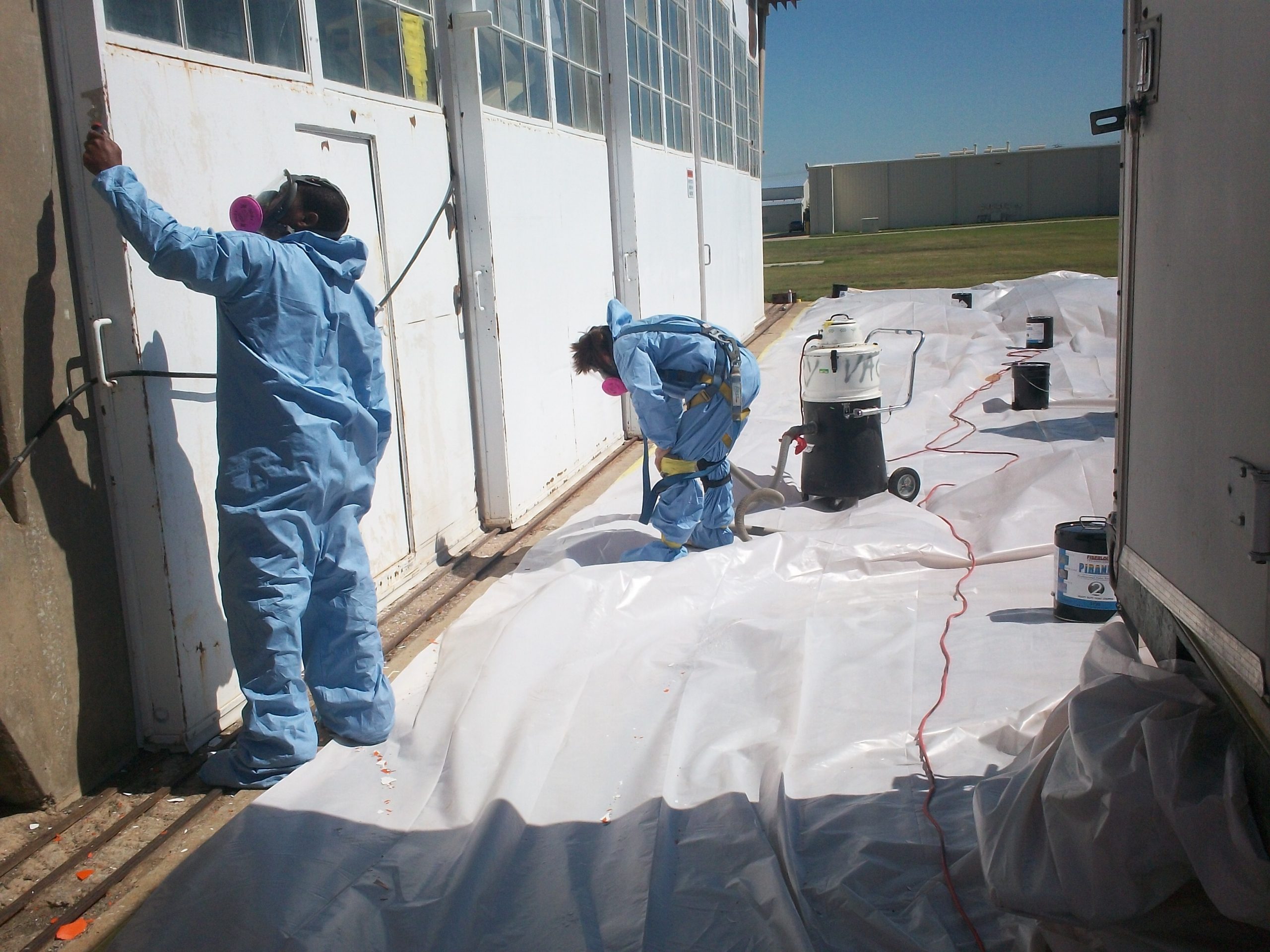
In government procurement, the lowest bid often wins. It’s a logical approach for many projects—office supplies, lawn care, routine maintenance. But when it comes to lead abatement in government buildings, prioritizing experience over price can mean the difference between a safe, compliant project and a costly disaster.
Lead removal isn’t like painting a wall or replacing flooring. It involves invisible health hazards, complex regulations, and the potential for serious harm if not done correctly. For Virginia government facilities—schools, courthouses, administrative buildings, and public housing—the stakes are even higher because of public accountability and the number of people potentially exposed.
This article explores why experience matters so much when selecting lead removal for government properties in Virginia, and what facility managers should look for when evaluating contractors.
The Hidden Complexity of Lead Abatement
On the surface, lead removal might seem straightforward: identify lead-containing materials, remove them, clean up, and dispose of waste. In reality, every project involves layers of complexity that only experienced contractors can navigate effectively.
What Experience Brings to the Table
Problem anticipation: Experienced contractors have seen countless building configurations and lead scenarios. They know what problems might arise before starting work.
Efficient methods: Years of practice refine techniques, reducing project time while maintaining safety and quality.
Regulatory knowledge: Lead abatement involves EPA, OSHA, Virginia DPOR, and local regulations. Experienced contractors know not just the current rules but how they’re enforced and interpreted.
Crisis management: When unexpected issues arise—hidden contamination, structural damage, weather delays—experienced teams adapt quickly without compromising safety.
Institutional knowledge: Understanding how government facilities operate, security requirements, procurement processes, and stakeholder management comes only through experience.
Inexperienced contractors may have the right licenses and equipment but lack the judgment and expertise that comes from managing hundreds of projects across diverse building types and conditions.
Real Consequences of Inexperienced Contractors
The risks of hiring inexperienced contractors for lead abatement services for government buildings in Virginia are substantial and well-documented.
Common Problems with Inexperienced Contractors
Incomplete containment: Inadequate barriers allow lead dust to spread throughout buildings, contaminating clean areas and putting occupants at risk.
Poor work practices: Improper removal techniques release massive amounts of lead dust that proper methods would minimize.
Failed clearance testing: Areas test positive for lead after abatement, requiring re-work, additional costs, and extended closures.
Regulatory violations: Missed notifications, improper disposal, inadequate documentation, and safety violations result in fines and project shutdowns.
Underestimated costs: Inexperienced contractors often miss scope elements, leading to change orders, budget overruns, and project delays.
Worker injuries: Inadequate training and supervision increase injury risk, creating workers’ compensation claims and potential OSHA investigations.
Public relations crises: News of lead contamination or botched abatement damages public trust in government institutions.
These aren’t theoretical risks—they happen regularly when government agencies prioritize low bids over proven experience.
Experience in Government-Specific Requirements
Government buildings present unique challenges that residential and commercial contractors may not understand.
What Government Experience Teaches
Security protocols: Experienced contractors know how to obtain clearances, work in secure facilities, and maintain confidentiality.
Procurement compliance: Understanding public bidding laws, contract requirements, and payment processes prevents delays and disputes.
Stakeholder management: Government projects involve elected officials, administrators, facility users, community members, and media. Experienced contractors navigate these relationships professionally.
Operational continuity: Schools can’t close indefinitely. Courts must maintain schedules. Government services continue during abatement. Experience teaches how to phase work and minimize disruption.
Public accountability: Everything about government projects is potentially subject to public records requests, media scrutiny, and community oversight. Experienced contractors document thoroughly and communicate transparently.
Multi-jurisdictional complexity: Virginia has state regulations plus locality-specific rules that vary by county and city. Experience navigating these variations is invaluable.
A contractor who specializes in government buildings lead abatement Virginia projects understands these nuances and builds them into project planning from day one.
Technical Expertise That Comes with Experience
Lead abatement technology and best practices continue evolving. Experienced contractors stay current with the latest methods and equipment.
Advanced Capabilities Developed Through Experience
XRF technology proficiency: Experienced contractors use X-ray fluorescence analyzers efficiently, reducing testing costs while improving accuracy.
Sophisticated containment systems: Building airtight barriers with proper negative air pressure requires skill developed over many projects.
Material-specific techniques: Different lead-containing materials—paint, pipes, tile, roofing—require different removal approaches. Experience teaches which method works best for each situation.
Historic preservation knowledge: Many Virginia government buildings have historic designation. Experienced contractors balance lead removal with preservation requirements.
Environmental assessment: Lead rarely exists in isolation. Experienced contractors identify asbestos, mold, and other hazards that might complicate projects.
Cross-trained crews: Leading contractors train workers in multiple environmental hazards—asbestos, lead, mold—allowing efficient management of complex projects.
Companies like Rath Enterprises, Inc. exemplify this cross-training approach. Their personnel are experienced in both demolition and hazardous material remediation, allowing projects to progress safely without costly delays when multiple environmental issues are present.
Learning from Mistakes—Without Making Them Yourself
Every experienced contractor has learned hard lessons from difficult projects. When you hire experienced professionals, you benefit from those lessons without suffering the consequences yourself.
Valuable Lessons Experience Teaches
Hidden contamination patterns: Experienced contractors know where lead often hides—behind baseboards, under multiple paint layers, in unexpected building components.
Weather impacts: How temperature, humidity, and seasonal changes affect containment, disposal, and scheduling.
Building interactions: How HVAC systems, plumbing, and electrical systems interact during abatement and what precautions prevent complications.
Testing interpretation: Reading test results and understanding what they mean for project scope and methods.
Dispute resolution: Handling disagreements about scope, costs, or timelines professionally and fairly.
Emergency response: Managing unexpected discoveries, equipment failures, or accidents without panic or shortcuts.
These lessons cannot be learned from textbooks or training courses. They come only from years of hands-on project management.
Evaluating Contractor Experience
When assessing potential contractors for lead removal for government properties in Virginia, look beyond basic qualifications to evaluate real experience.
Questions to Ask About Experience
- How many government building lead abatement projects have you completed?
- What types of government facilities have you worked in?
- Can you provide references from Virginia government agencies?
- What’s the largest project you’ve managed?
- How do you stay current with regulations and best practices?
- What percentage of your business is government work?
Experience in Regulatory Compliance
Lead abatement involves overlapping federal, state, and local regulations. Experienced contractors navigate this complexity seamlessly.
Regulatory Areas Where Experience Matters
EPA Lead-Based Paint Rules: Experienced contractors know notification requirements, work practice standards, and documentation procedures inside and out.
OSHA Lead Standards: Protecting workers requires understanding exposure limits, respiratory protection, medical surveillance, and training requirements.
Virginia DPOR Regulations: State-specific licensing, supervision requirements, and disposal rules vary from federal standards.
Local ordinances: Counties and cities may have additional requirements for waste transport, work hours, or notification procedures.
Procurement laws: Virginia Public Procurement Act and locality-specific purchasing rules govern how government contracts are awarded and managed.
Inexperienced contractors often discover regulatory requirements mid-project, causing delays and compliance issues. Experienced contractors build compliance into every project phase.
The Cross-Training Advantage
Modern environmental contractors increasingly cross-train their workforce in multiple hazards—asbestos, lead, mold, and selective demolition. This approach offers significant advantages for government building projects.
Benefits of Cross-Trained Crews
Comprehensive assessments: Cross-trained inspectors identify all environmental hazards during initial assessments, not just the one they specialize in.
Efficient project management: When both lead and asbestos are present, cross-trained crews handle both without coordinating separate contractors.
Reduced mobilization costs: One contractor managing all environmental hazards costs less than multiple specialists.
Better communication: Single point of contact simplifies project management for facility administrators.
Faster project completion: Cross-trained crews keep work moving forward when multiple hazards are discovered.
Rath Enterprises, Inc. exemplifies this approach, providing personnel experienced in demolition and hazardous material remediation. This dual expertise minimizes errors, prevents costly delays, and keeps projects on schedule without compromising safety.
Experience Means Better Communication
Government projects require constant communication with multiple stakeholders. Experienced contractors excel at this critical skill.
Communication Skills Developed Through Experience
Translating technical information: Explaining complex lead abatement concepts to non-technical facility managers, elected officials, and community members.
Managing expectations: Setting realistic timelines and budgets based on experience with similar projects.
Proactive updates: Anticipating questions and concerns before they’re raised.
Crisis communication: Handling unexpected discoveries or issues with transparency and professionalism.
Documentation: Creating clear, comprehensive records that satisfy regulatory and archival requirements.
Public relations: Working with media when projects attract public attention.
Poor communication creates confusion, erodes trust, and complicates projects. Experienced contractors communicate clearly throughout every project phase.
The Financial Case for Experience
While experienced contractors may not submit the lowest bids, they often deliver better overall value.
How Experience Saves Money
Accurate initial estimates: Experience leads to fewer surprises and change orders.
Efficient execution: Skilled crews complete work faster, reducing labor costs and building closure time.
First-time clearance: Proper methods ensure areas pass clearance testing on the first attempt.
Avoided rework: Quality workmanship eliminates costly do-overs.
Prevented violations: Compliance prevents fines, penalties, and legal costs.
Reduced liability: Professional documentation and practices minimize future legal exposure.
Preserved reputation: Successful projects without controversy protect government agencies’ public standing.
When you calculate total project costs—including delays, rework, violations, and opportunity costs—experienced contractors often deliver the best value despite higher initial bids.
Building Long-Term Partnerships
Government facilities require ongoing environmental management, not just one-time abatement. Experienced contractors become valuable long-term partners.
Partnership Benefits
Facility knowledge: Contractors who’ve worked in your buildings understand their unique characteristics and histories.
Predictive maintenance: Experience helps identify potential lead hazards before they become emergencies.
Budget planning: Long-term partners help forecast future abatement needs and costs.
Rapid response: Established contractors respond faster to urgent situations.
Trust and reliability: Proven performance builds confidence for future projects.
Many Virginia government agencies maintain preferred contractor lists of experienced, reliable firms they can turn to quickly when needs arise.
Conclusion
When it comes to lead removal for government properties in Virginia, experience isn’t just helpful—it’s essential. The health risks, regulatory complexity, and public accountability involved in government building lead abatement demand contractors who have navigated these challenges many times before.
Experienced contractors bring technical expertise, regulatory knowledge, problem-solving abilities, and communication skills that inexperienced firms simply cannot match. They anticipate problems, work efficiently, comply fully with regulations, and handle unexpected situations without compromising safety or schedules.
Companies like Rath Enterprises, Inc. demonstrate what experienced lead abatement contractors bring to government projects: licensed professionals, cross-trained crews, proven project management, and a commitment to safety, compliance, and customer satisfaction.
