
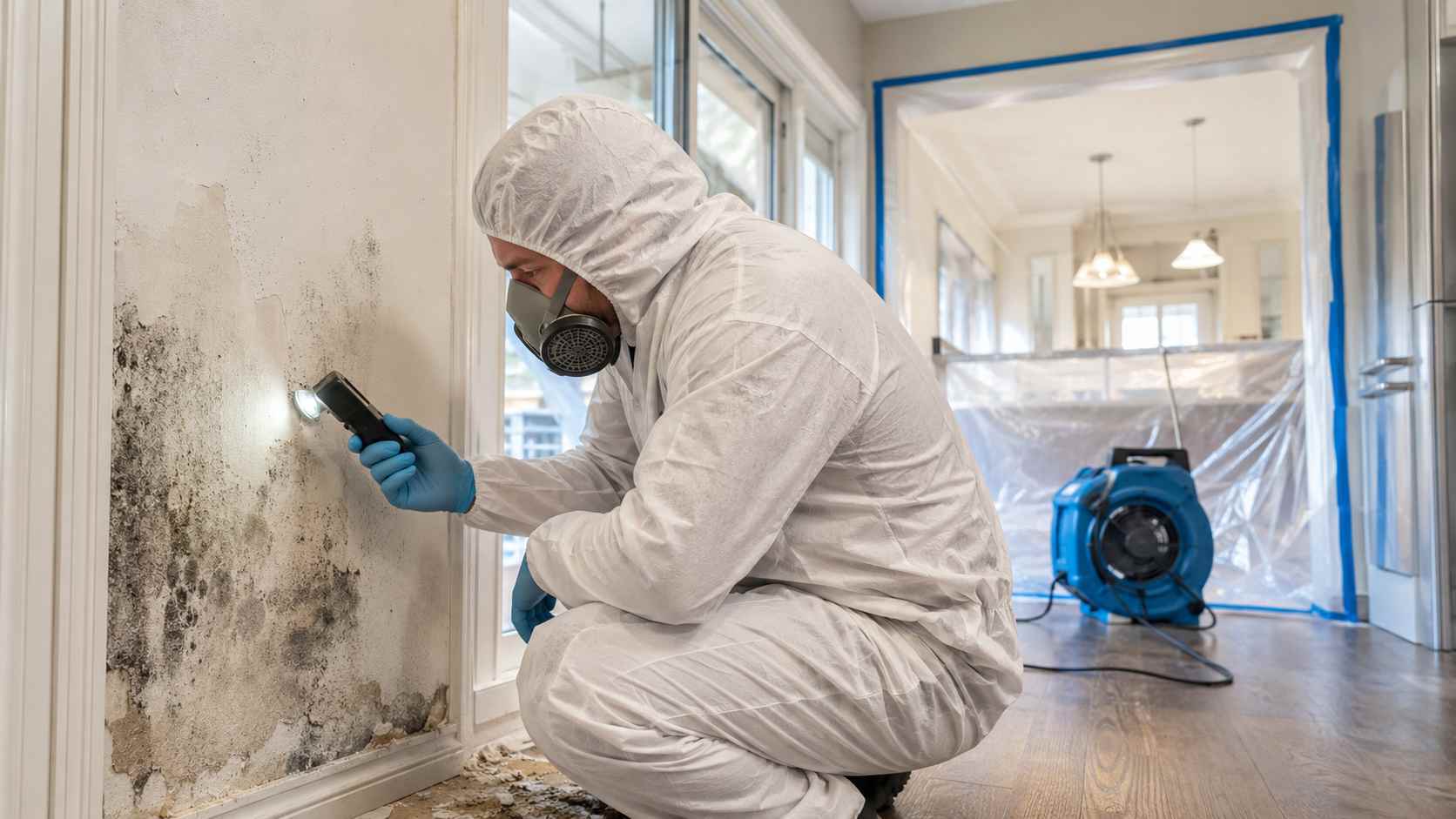
Professional Remediation Is Critical
Virginia is known for its scenic landscapes, from the Blue Ridge Mountains to the Chesapeake Bay, but it also has something less picturesque: a climate that makes mold growth a persistent problem for homeowners. The combination of humid summers, frequent rainfall, and fluctuating temperatures creates conditions where mold thrives, especially in residential spaces.
For property owners, this isn’t just an aesthetic or minor maintenance issue. Mold growth can damage the structure of a home and threaten the health of those living inside. That’s why professional residential mold remediation in Virginia is critical—not only for immediate relief but also for long-term prevention.
The Perfect Storm: Virginia’s Climate and Mold Growth
-
High Humidity Levels
Virginia experiences high humidity, particularly in the Tidewater and coastal regions. Warm, moist air seeps into basements, crawlspaces, and poorly ventilated rooms, creating the damp environment mold spores need to colonize.
-
Seasonal Rains and Flooding
From spring showers to hurricane season, Virginia’s weather brings regular rainfall and occasional flooding. Even small leaks or seepage can provide enough moisture for mold growth, especially when water intrusion isn’t addressed quickly.
-
Temperature Fluctuations
Virginia winters may be cold, but the state doesn’t experience the deep freezes of northern climates that slow microbial growth. In fact, mold spores can remain dormant in winter and reactivate once warmer conditions return.
Together, these factors make Virginia a prime environment for mold problems, especially in residential properties where ventilation, insulation, and waterproofing may be inadequate.
Why Mold Growth in Homes Is a Serious Issue
Mold isn’t just unsightly—it poses risks to both property value and human health.
- Structural Damage: Mold breaks down organic material like wood, drywall, and insulation, weakening the home’s framework.
- Indoor Air Quality: Mold spores spread through HVAC systems and air circulation, lowering indoor air quality.
- Health Concerns: Exposure can cause respiratory irritation, allergic reactions, asthma flare-ups, and in severe cases, chronic illness. Children, the elderly, and those with preexisting conditions are especially vulnerable.
Left untreated, a small patch of mold can spread behind walls, under flooring, or into attics, turning a minor issue into a major—and costly—remediation project.
DIY vs. Professional Mold Remediation
When homeowners discover mold, they often attempt to handle it with DIY methods like bleach, vinegar, or over-the-counter sprays. While these can temporarily remove visible mold, they rarely address the root cause: hidden moisture and spore spread.
Professional services, such as residential mold remediation service in Virginia, go beyond surface cleaning. Certified remediation specialists:
- Identify the type and extent of mold growth.
- Locate hidden sources of moisture.
- Contain and remove contaminated materials safely.
- Use industrial-grade filtration and dehumidification equipment.
- Provide long-term prevention strategies to stop mold from returning.
Attempting DIY mold cleanup can actually make the problem worse by disturbing spores and allowing them to spread throughout the home.
Why Virginia Homeowners Need Professional Remediation
-
Regional Expertise
Companies offering residential properties mold remediation service in Virginia understand the local climate and construction styles. From older colonial homes with basements to newer builds with crawlspaces, professionals know where mold typically hides.
-
Regulatory Compliance
Virginia follows strict environmental and safety standards for handling mold and hazardous materials. Professional remediation ensures that all procedures meet state and federal guidelines, protecting homeowners legally and financially.
-
Protecting Property Value
A mold-infested home loses market appeal quickly. Buyers are wary of purchasing a property with a history of mold, even if it has been “cleaned up.” Professional documentation of remediation reassures buyers and protects resale value.
-
Long-Term Cost Savings
While hiring a residential properties mold removal service in Virginia may seem like an upfront expense, it prevents costly repairs down the line. Structural damage, extensive material replacement, or recurring infestations often cost far more than professional remediation.
Key Areas in Virginia Homes Vulnerable to Mold
- Basements and Crawlspaces: Prone to dampness, leaks, and poor ventilation.
- Attics: Roof leaks and insufficient insulation create condensation.
- Bathrooms and Kitchens: High humidity and plumbing issues make these common hotspots.
- Laundry Rooms: Poor ventilation around washers and dryers encourages moisture buildup.
- HVAC Systems: Mold can colonize ducts, spreading spores throughout the home.
Homeowners should regularly inspect these areas, especially after heavy rainfall, flooding, or plumbing issues.
The Process of Residential Mold Remediation
A professional residential mold remediation service in Virginia typically follows a structured process:
- Inspection and Assessment – Specialists identify affected areas and the source of moisture.
- Containment – Barriers and negative air pressure prevent spores from spreading.
- Air Filtration – HEPA filters capture airborne spores.
- Removal of Contaminated Materials – Damaged drywall, insulation, or flooring may be safely disposed of.
- Cleaning and Disinfection – Antimicrobial treatments kill remaining spores.
- Restoration – Rebuilding or repairing affected areas to return the home to safe living conditions.
This thorough process ensures that mold is eliminated, not just hidden.
Preventing Mold Growth in Virginia Homes
Even after remediation, prevention is critical. Homeowners should:
- Install and maintain dehumidifiers, especially in basements and crawlspaces.
- Ensure proper ventilation in bathrooms, kitchens, and attics.
- Regularly clean and maintain gutters to prevent leaks.
- Seal cracks and gaps in foundations to stop moisture intrusion.
- Schedule routine inspections after major storms or floods.
Working with a trusted residential mold remediation service in Virginia gives homeowners both a safety net and ongoing guidance to keep mold at bay.
Choosing the Right Mold Remediation Partner
Not all contractors are equal. When selecting a residential properties mold removal service in Virginia, look for:
- Certifications and Licensing – Ensure the company follows EPA and OSHA standards.
- Experience with Virginia Homes – Knowledge of local climate challenges and construction styles is vital.
- References and Reviews – Strong customer feedback is a good indicator of reliability.
- Clear Estimates and Guarantees – Transparency in pricing and a guarantee of work build trust.
Homeowners should avoid companies that promise “quick fixes” or lack proper credentials.
Final Thoughts
Virginia’s climate—humid, rainy, and variable—makes mold growth a constant risk for homeowners. While DIY solutions may offer temporary relief, only professional residential mold remediation in Virginia provides the comprehensive, lasting results needed to protect both health and property.
By working with experts in residential properties mold remediation service in Virginia, homeowners ensure that mold isn’t just cleaned up but is thoroughly removed, prevented from spreading, and kept from coming back. The investment pays off in peace of mind, healthier living spaces, and preserved property value.
If you suspect mold in your home, don’t wait for it to spread. Contact a trusted residential properties mold removal service in Virginia today—and keep your home safe, clean, and resilient against the state’s challenging climate.
